


Maintaining and troubleshooting valves is crucial for ensuring their optimal performance and longevity. Whether you’re dealing with butterfly valves, ball valves, or china check valve from a reputable butterfly valves supplier or any other valve manufacturer, proper maintenance is key to preventing downtime and costly repairs. In this article, we will provide expert tips for maintaining and troubleshooting valves to help you keep your operations running smoothly.
Regular Inspection and Maintenance
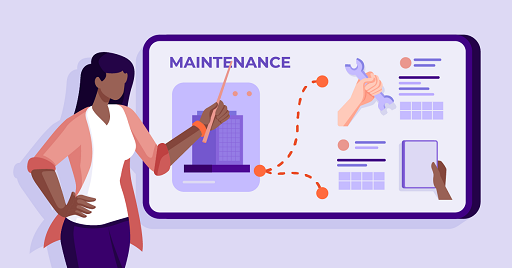
Regular inspection and maintenance of valves are essential to identify any signs of wear, corrosion, or leakage. Perform visual inspections to check for external damages, leaks, or abnormal operating conditions. Inspect valve components, including seals, gaskets, and actuators, and ensure they are in good condition. Additionally, schedule routine maintenance tasks such as lubrication, tightening of bolts, and checking of stem packing. Following manufacturer guidelines for maintenance intervals is crucial for ensuring optimal performance.
Proper Lubrication
Lubrication is vital for maintaining valve operation and preventing excessive wear. Apply lubricants recommended by the manufacturer to reduce friction and ensure smooth movement of valve components. The frequency of lubrication depends on factors such as valve type, operating conditions, and the type of lubricant used. Regularly check lubrication points and apply lubricants as needed to maintain proper valve function.
Monitor Valve Actuators
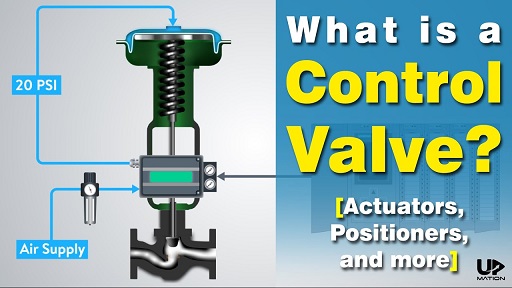
Valve actuators play a critical role in controlling valve operation. Regularly monitor and inspect the actuators for any signs of malfunction or reduced performance. Check electrical connections, pneumatic lines, and hydraulic systems associated with the actuators. Properly calibrate and adjust the actuators according to manufacturer guidelines to ensure precise control and minimize valve response time.
Maintain Valve Seals and Gaskets
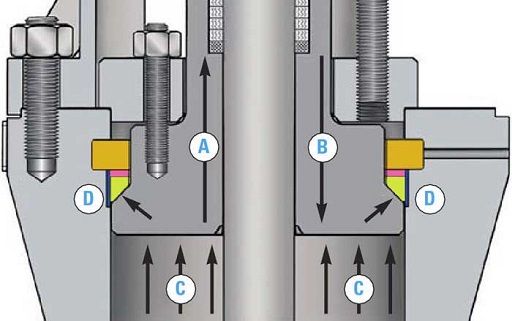
Valve seals and gaskets are crucial for preventing leaks and ensuring tight shutoff. Inspect and replace seals and gaskets regularly to prevent degradation and potential leakage. Check for signs of wear, cracks, or brittleness, particularly in high-temperature or corrosive environments. Always use compatible seals and gaskets recommended by the manufacturer to maintain the integrity of the valve.
Troubleshooting Common Issues

Valves can encounter several common issues during operations. Understanding how to troubleshoot these issues can help minimize downtime and maintain efficient operations. Some common valve problems include leaks, sticking or binding, excessive vibration or noise, and reduced flow capacity. Consult the manufacturer’s documentation or contact their technical support for specific troubleshooting steps. It is important to follow safety procedures and use the appropriate tools when troubleshooting valves.
Utilize Manufacturer Resources
Manufacturers often provide resources and technical support to assist with valve maintenance and troubleshooting. Take advantage of these resources, which may include operating manuals, maintenance guides, online tutorials, or technical support hotlines. They can offer valuable insights and instructions specific to the valves you have procured from the butterfly valves supplier or any other valve manufacturer. Engaging with the manufacturer’s support team can help address your concerns and ensure proper maintenance practices.
In conclusion, proper maintenance and troubleshooting of valves are essential for optimal performance and longevity. Regular inspection, lubrication, and monitoring of valve components are crucial for identifying potential issues and preventing costly repairs. Additionally, troubleshooting common valve problems and utilizing manufacturer resources can help address issues quickly and efficiently. By following these expert tips and working closely with the butterfly valves supplier or valve manufacturer, you can ensure that your valves operate smoothly and reliably, contributing to the success of your operations.