

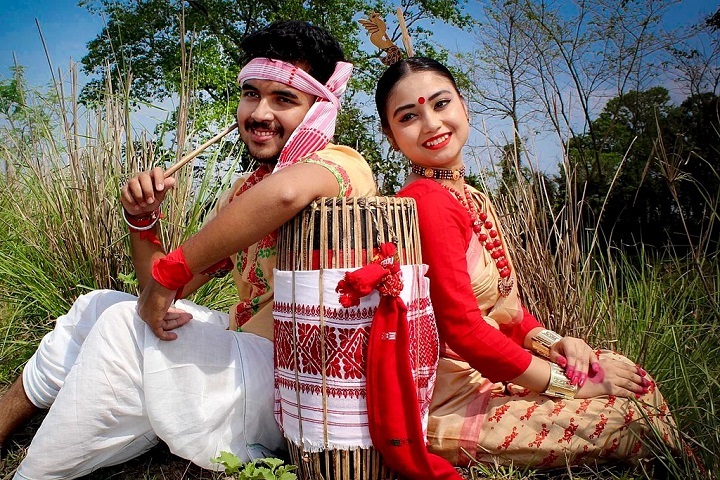
India is a country rich in culture, heritage, and diversity, which is reflected in its traditional clothing. Each region in India has its distinct style of clothing, representing its unique culture and history. Traditional dresses in India are known for their vibrant colors, intricate designs, and their ability to represent the cultural heritage of the country. Here’s a look at the Top 10 Traditional Dresses of India that continue to hold a place of pride in the hearts of Indians.
Saree
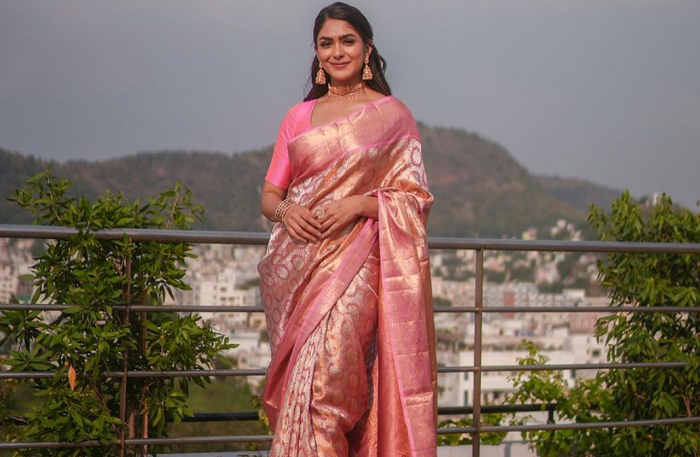
The Saree is one of the most iconic and widely worn traditional garments in India. This long piece of cloth, typically 5 to 9 yards in length, is draped around the body in various styles. Each region in India has its own way of draping the saree, with some popular styles being the Nivi style from Andhra Pradesh and the Bengali style from West Bengal. The saree is paired with a blouse and petticoat and is suitable for formal events, weddings, and even casual wear depending on the fabric and design. The saree showcases the grace and elegance of Indian women and remains a timeless garment.
Salwar Kameez

The Salwar Kameez is another traditional dress that is popular across India, especially in the northern regions. It consists of a long tunic called a Kameez, loose-fitting trousers known as Salwar, and a dupatta or scarf. This outfit is comfortable and versatile, making it suitable for daily wear as well as festive occasions. The Salwar Kameez has evolved over time with contemporary designs, fabrics, and embellishments, but it still remains rooted in tradition.
Lehenga Choli
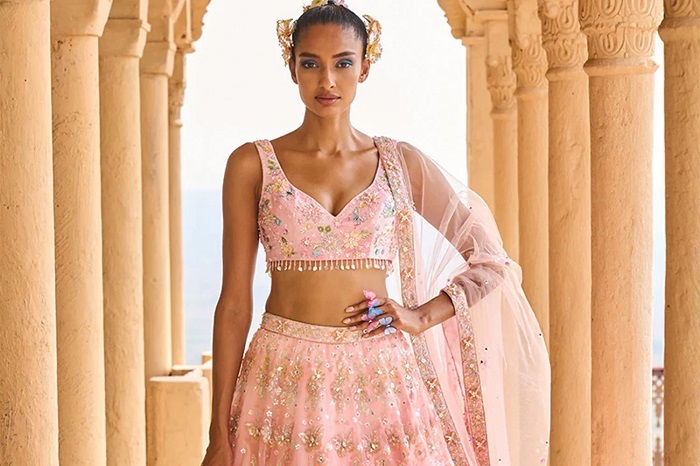
The Lehenga Choli is a traditional dress typically worn during weddings and festivals, especially in states like Gujarat and Rajasthan. The ensemble consists of a long skirt known as the Lehenga, a fitted blouse called the Choli, and a dupatta. The lehenga is often heavily embroidered and decorated with intricate designs, making it an opulent choice for celebrations. The swirling effect of the lehenga and the vibrant colors make it one of the most eye-catching traditional outfits in India.
Dhoti
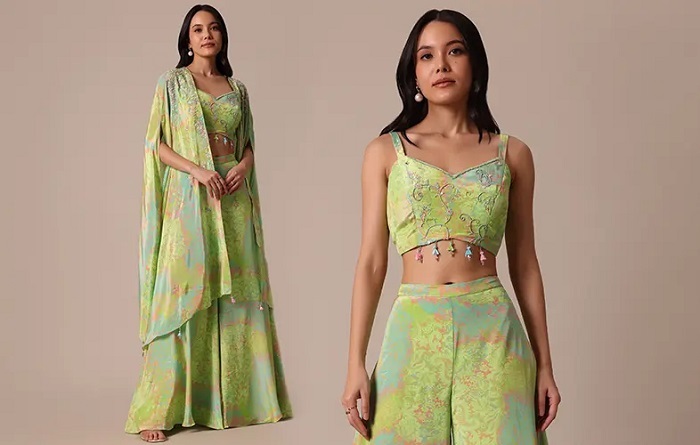
The Dhoti is a traditional garment worn by men, primarily in the eastern and southern parts of India. It is a rectangular piece of unstitched cloth, usually about 4 to 6 feet long, that is wrapped around the waist and legs. In some regions, it is known by different names, such as Veshti in Tamil Nadu and Mundu in Kerala. The dhoti is often paired with a kurta or shirt and is worn during religious ceremonies, weddings, and other formal occasions. It represents simplicity and cultural pride.
Kurta-Pajama
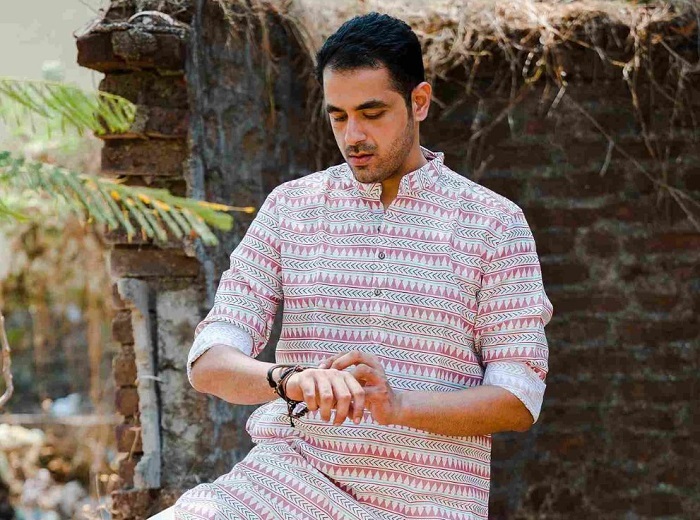
The Kurta-Pajama is a traditional attire for men and is worn widely across India. A Kurta is a long shirt that falls just below the knees, while Pajama refers to the trousers worn with it. The kurta can be either plain or embroidered, and the pajama can be tight-fitting (churidar) or loose. This outfit is worn on various occasions ranging from daily wear to festive events and is appreciated for its comfort and versatility. It is also a popular choice for weddings, especially when paired with a Nehru jacket or a sherwani.
Sherwani
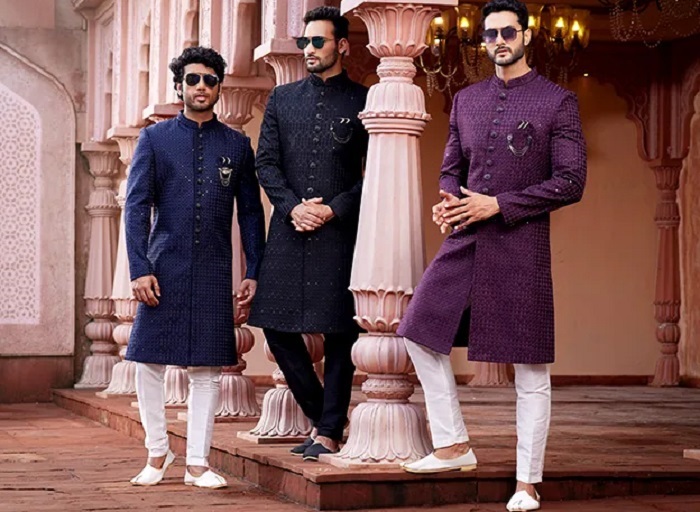
The Sherwani is a formal outfit for men that originated in the Mughal period and has since become a popular wedding attire in India. It is a long coat-like garment, usually worn over a kurta and pajama or churidar. The Sherwani is typically made from rich fabrics like silk and brocade and is often heavily embroidered with intricate patterns. It is worn during weddings, festivals, and other ceremonial occasions, symbolizing royalty and elegance.
Ghagra Choli
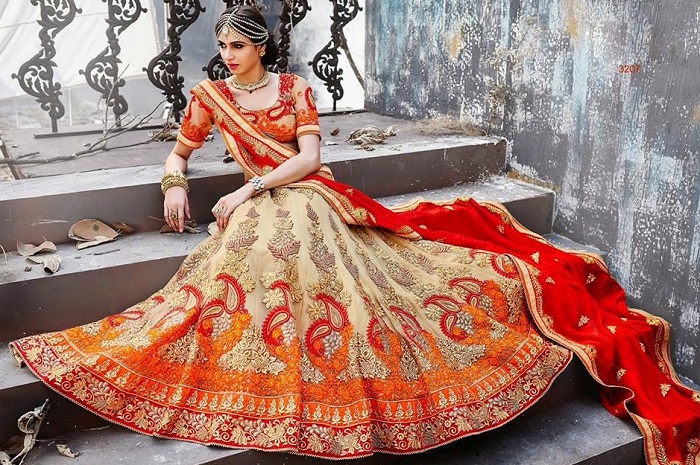
The Ghagra Choli is similar to the Lehenga Choli but is primarily associated with the western states of Gujarat and Rajasthan. It consists of a Ghagra, which is a flared skirt, and a Choli, which is a short, fitted blouse. The ensemble is completed with a dupatta. The Ghagra Choli is most commonly worn during festivals like Navratri, where women perform the traditional Garba dance. The dress is often embellished with mirrors, embroidery, and colorful patterns, making it a festive favorite.
Mekhela Chador
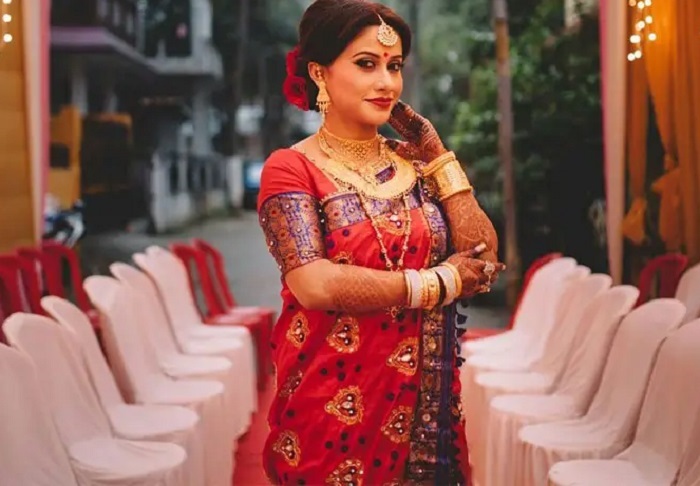
The Mekhela Chador is the traditional dress of the northeastern state of Assam. It is a two-piece garment, with the Mekhela being the lower part, similar to a skirt, and the Chador being the upper piece, draped over the body. This outfit is known for its delicate designs and motifs, often featuring traditional Assamese silk, such as Muga and Pat silk. The Mekhela Chador is worn during weddings, religious festivals, and other important cultural events in Assam, and it beautifully represents the state’s rich heritage.
Pattu Pavadai
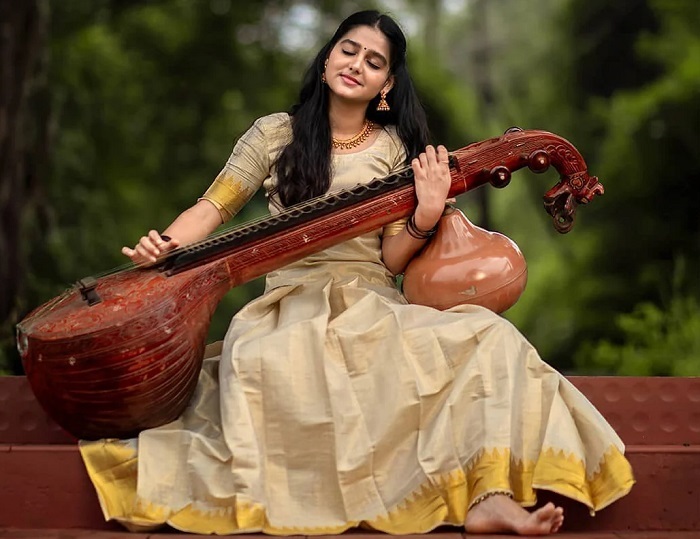
The Pattu Pavadai is a traditional dress worn by young girls in South India, especially in the states of Tamil Nadu and Kerala. It consists of a long skirt called Pavadai and a blouse. The outfit is made from silk, often embellished with gold threads, giving it a festive and elegant appearance. It is worn during religious ceremonies, weddings, and other important occasions. The Pattu Pavadai holds a special place in South Indian culture as a symbol of purity and grace for young girls.
Bandhgala
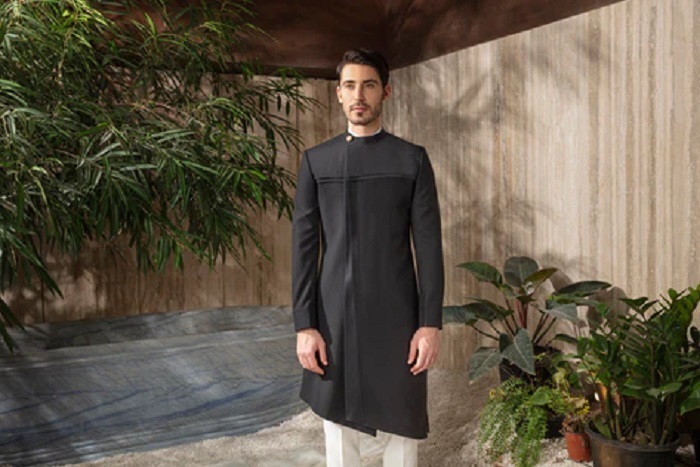
The Bandhgala, also known as the Jodhpuri Suit, is a formal traditional dress for men, originating from Rajasthan. It is a well-tailored, closed-neck coat paired with trousers. The Bandhgala is known for its structured and sophisticated appearance and is typically worn during formal events like weddings and ceremonies. The outfit is often made from rich fabrics and is sometimes embroidered or embellished with intricate designs. The Bandhgala has become a popular alternative to Western suits for men during special occasions in India.
Related Post:
Top 10 AC Companies in the World
India’s traditional dresses are not just garments but reflections of the country’s diverse cultures, traditions, and history. Each piece tells a story, representing the uniqueness of the region it comes from. From the elegance of the Saree to the opulence of the Sherwani, these traditional outfits continue to hold a cherished place in Indian society. As fashion continues to evolve, these timeless pieces remain a testament to India’s rich cultural heritage, celebrating its diversity and unity in the most colorful and vibrant way. Whether it’s for weddings, festivals, or religious events, traditional Indian clothing will always be a vital part of the country’s identity.