


Assam, nestled in the lush northeastern corner of India, is the beating heart of the country’s tea industry. With its humid climate, rolling plains, and the life-giving Brahmaputra River, the region is home to some of the most iconic and historic tea estates in the world. The “tea garden in Assam” experience offers a blend of colonial legacy, aromatic flavors, and scenic beauty. Here’s a curated list of the top 10 tea gardens in Assam, highlighting their heritage, contributions to tea culture, and what makes them worth visiting or tasting from.
Best Tea Gardens in Assam: A Legacy Brewed in Nature
Mangalam Tea Estate – The Gold Standard of Orthodox Tea

Managed by Jayshree Tea, the Mangalam Tea Estate is one of the most premium tea gardens in Assam. It’s known for producing high-quality orthodox teas with rich, malty flavors.
Location: Toward the south bank of the Brahmaputra River
Established: 1973
Famous For: Golden tips orthodox tea, full-bodied flavor
Visitor Access: Limited but can be arranged with prior permission
Halmari Tea Estate – Globally Acclaimed Brew
Located in the Dibrugarh district, Halmari is one of the oldest and most awarded tea estates in Assam. It’s especially popular in the U.S. and U.K. markets for its CTC and orthodox teas.
Location: Moran, Dibrugarh
Established: Over 100 years ago
Famous For: CTC blend, golden orthodox, specialty teas
Visitor Access: Yes, with prior booking
Monabarie Tea Estate – The Largest in Asia
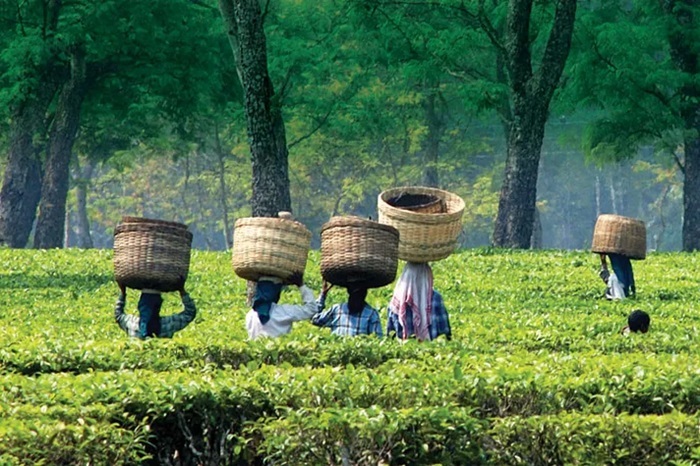
Spread over 1,158 hectares, Monabarie is Asia’s largest tea estate and a must-see for enthusiasts. Its sheer scale and organized layout make it a landmark in Assam’s tea landscape.
Location: Biswanath Chariali, Sonitpur
Established: Early 20th century
Famous For: Bulk production of CTC teas
Visitor Access: Restricted, mostly for research or industry professionals
Doom Dooma Tea Estate – Tata’s Premier Plantation
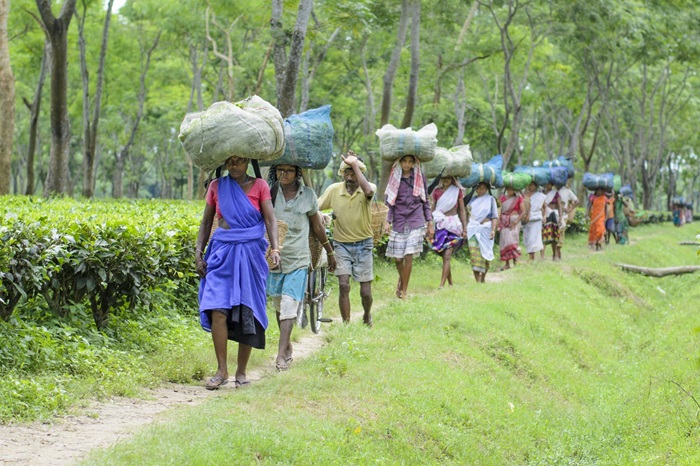
Owned by Tata Tea, Doom Dooma is a prestigious name among Assam’s plantations. It combines modern techniques with traditional tea production to offer consistently high-quality blends.
Location: Tinsukia district
Established: 1924
Famous For: Rich, strong Assam black tea
Visitor Access: Selective access through Tata’s tea tourism programs
Mokalbari Tea Estate – Known for Export-Grade Tea
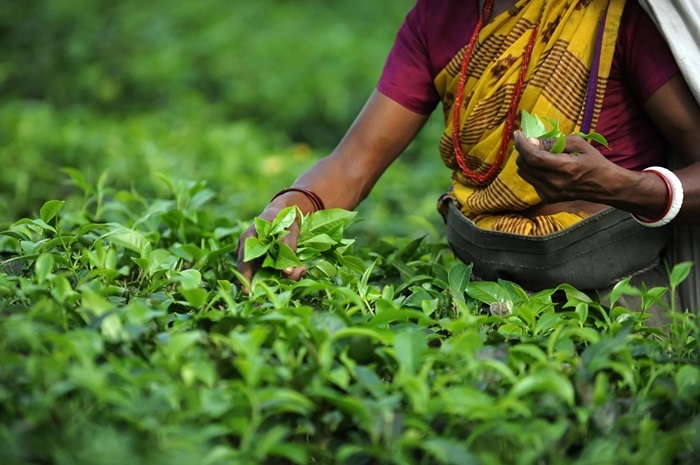
This estate has a fine reputation for its unique soil composition and harvesting techniques. It often ranks among the top estates whose products go to international auctions.
Location: Dibrugarh
Established: 19th century
Famous For: Orthodox golden tippy teas
Visitor Access: Yes, prior arrangements needed
Nahorhabi Tea Estate – The Royal Blend

Previously managed by British planters, Nahorhabi is now part of the McLeod Russel Group. It is known for its heritage bungalows, scenic garden views, and distinctively flavorful teas.
Location: Jorhat
Established: Colonial Era
Famous For: Assam second flush, coppery briskness
Visitor Access: Yes, accommodations available in heritage bungalow
Dikom Tea Estate – Fine Blend of History and Taste
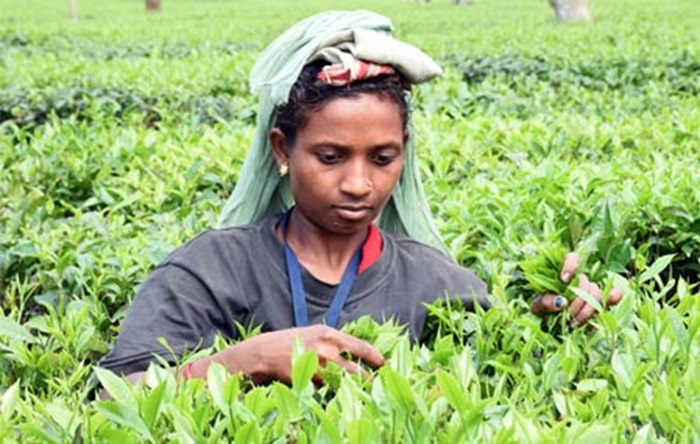
Dikom is both a town and a renowned tea estate in Assam. With historic significance, the estate produces teas that are flavorful and often used in high-end tea blends.
Location: Near Dibrugarh
Established: British Era
Famous For: Bright liquoring teas with strong aroma
Visitor Access: Yes, limited tours allowed
Corramore Tea Estate – A Lesser-Known Gem
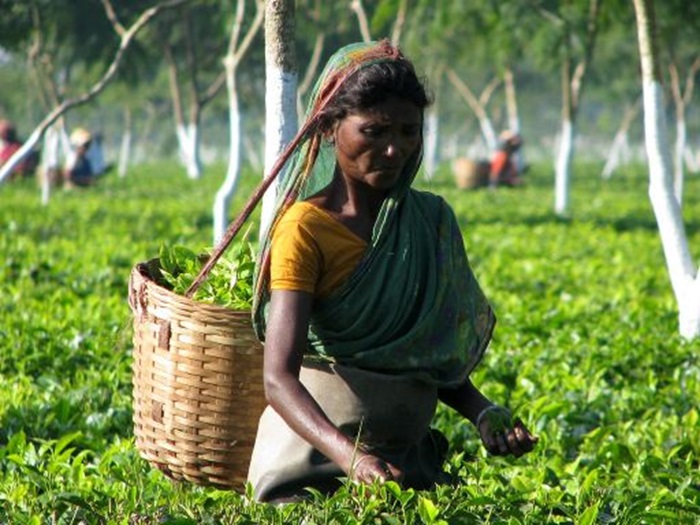
Corramore may not be the biggest name on this list, but it is celebrated for its experimental organic teas and emphasis on sustainability.
Location: Assam’s Nagaon district
Established: Early 20th century
Famous For: Organic Assam tea, green and white teas
Visitor Access: Open to eco-tourism and tea workshops
Hattigor Tea Estate – A Wildlife Haven and Tea Paradise
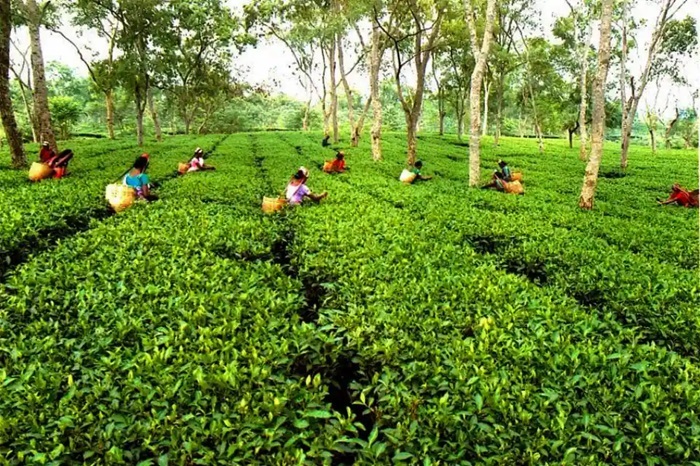
Set amidst the foothills of the Himalayas, this estate is a visual treat. It’s also close to wildlife sanctuaries, making it a great destination for eco-tourists.
Location: Udalguri District
Established: Colonial period
Famous For: Medium-bodied CTC teas
Visitor Access: Yes, eco-lodges available nearby
Behora Tea Estate – Assam’s Hidden Aromatic Treasure
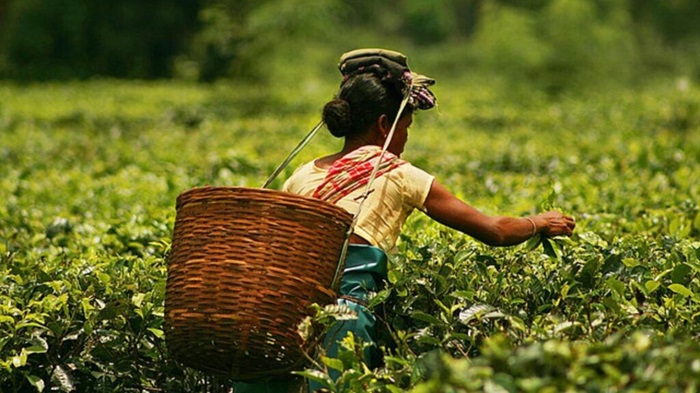
Another gem under McLeod Russel, Behora stands out for its scenic beauty and aromatic second-flush teas. The estate also runs a school and community welfare programs.
Location: Golaghat district
Established: 20th century
Famous For: Aromatic teas, balanced flavor
Visitor Access: With permission, part of social tourism initiative
Top Tea Gardens in Assam Overview
| Tea Estate | Location | Specialty Tea | Visitor Access |
| Mangalam | South Bank | Golden Orthodox Tea | Limited with permission |
| Halmari | Dibrugarh | CTC and Orthodox | Yes with booking |
| Monabarie | Sonitpur | High-volume CTC Tea | Restricted |
| Doom Dooma | Tinsukia | Premium Assam Black | Limited via Tata tours |
| Mokalbari | Dibrugarh | Export-grade Orthodox | Yes |
| Nahorhabi | Jorhat | Heritage Brisk Teas | Yes |
| Dikom | Dibrugarh | Bright Liquoring Assam Teas | Yes |
| Corramore | Nagaon | Organic Green and White Teas | Open to eco-tourism |
| Hattigor | Udalguri | Wildlife and Medium-bodied Teas | Yes |
| Behora | Golaghat | Balanced Second Flush Teas | Yes, limited |
Why Assam Tea Gardens Stand Out Globally
Assam’s tea gardens aren’t just agricultural zones—they’re cultural landmarks. The climate offers year-round production capabilities, and the region contributes nearly 50% of India’s total tea output. Most of the estates here produce CTC (Crush, Tear, Curl) teas that form the base of popular breakfast blends around the world.
The flavor profile of Assam tea is generally described as bold, brisk, and malty, with a deep amber liquor. These characteristics make it perfect for milk-based tea preparations common in Indian households and globally in English breakfast teas.
Best Time to Visit Tea Gardens in Assam
The ideal time to visit a tea garden in Assam is between March and November. This period covers the first and second flushes, which are peak harvesting seasons. Monsoon flush occurs around June-July, resulting in strong teas, while second flush teas from May-June are known for their richness and depth.
Tea Tourism in Assam: A Growing Experience
With increasing interest in tea culture, many Assam estates are now offering stays in tea bungalows, guided tours, tea tasting sessions, and even hands-on plucking experiences. Tea tourism also promotes rural employment and spreads awareness about sustainable tea farming practices.
Some estates like Halmari, Nahorhabi, and Corramore offer curated experiences, including cooking classes, tribal folk performances, and plantation safaris.
Export and Market Impact of Assam Tea
Tea from Assam is a significant player in global exports. Countries such as the UK, Iran, UAE, and Russia are major importers. Halmari and Mangalam teas are often featured at international tea auctions and fetch premium prices.
The Tea Board of India and private players are working to brand Assam tea as a GI (Geographical Indication) product to protect its identity and ensure premium valuation globally.
FAQs About Tea Gardens in Assam
What is the most famous tea garden in Assam?
Halmari and Mangalam are among the most famous tea gardens, known for their export-quality teas and legacy in the tea industry.
Can I visit tea gardens in Assam as a tourist?
Yes, many tea estates like Nahorhabi, Corramore, and Dikom offer guided tours and tea-tasting experiences for tourists.
When is the best time to visit Assam for tea tourism?
March to November is the best period, covering the primary tea plucking seasons.
What type of tea is Assam known for?
Assam is known for its bold, malty black tea, particularly the CTC and orthodox variants.
Are tea garden stays available in Assam?
Yes, several estates offer tea bungalows and eco-lodges for a complete tea tourism experience.