

Throughout history, powerful kings have ruled vast empires, shaped civilizations, and influenced the course of humanity. These monarchs commanded immense authority, led great military campaigns, and left behind legacies that still impact modern societies. From legendary ancient rulers to modern sovereigns, this list ranks the ten most powerful kings based on their political influence, military strength, and historical impact.
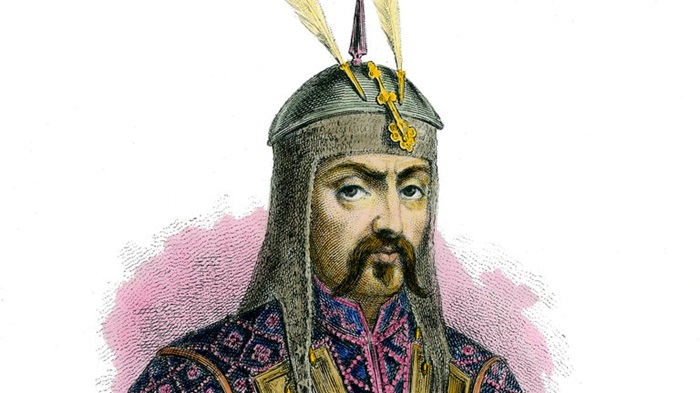
Genghis Khan (Mongol Empire, 1162–1227)
Overview
Genghis Khan, the founder of the Mongol Empire, created the largest contiguous empire in history. His leadership, military tactics, and ruthless conquests reshaped Eurasia.
Key Achievements
- United the Mongol tribes into a single, dominant force.
- Conquered vast territories across Asia, the Middle East, and Eastern Europe.
- Implemented advanced military strategies and intelligence networks.
- Established trade routes, including the Silk Road, enhancing global commerce.
Why He Was Powerful
Genghis Khan’s ability to mobilize massive armies, adapt battlefield tactics, and rule with an iron grip made him one of history’s most dominant kings.
Alexander the Great (Macedonian Empire, 356–323 BCE)

Overview
Alexander the Great is one of the greatest military leaders of all time. By the age of 30, he had conquered much of the known world, spreading Greek culture and influence.
Key Achievements
- Defeated the Persian Empire, one of the largest empires of the time.
- Founded over 20 cities, many named after himself.
- Spread Greek language, culture, and knowledge across his empire.
- Inspired future military leaders with his tactics and strategies.
Why He Was Powerful
His military genius, leadership skills, and ability to inspire loyalty among his troops made him one of the most influential kings in history.
Julius Caesar (Roman Republic, 100–44 BCE)

Overview
Julius Caesar played a crucial role in the rise of the Roman Empire. His military campaigns and political reforms changed the course of European history.
Key Achievements
- Conquered Gaul, expanding Rome’s territory significantly.
- Defeated political rivals in the Roman Civil War.
- Introduced reforms that strengthened Rome’s economy and military.
- Declared himself dictator for life, reshaping the Roman government.
Why He Was Powerful
His political ambition and military expertise turned Rome from a republic into an empire, influencing governance for centuries.
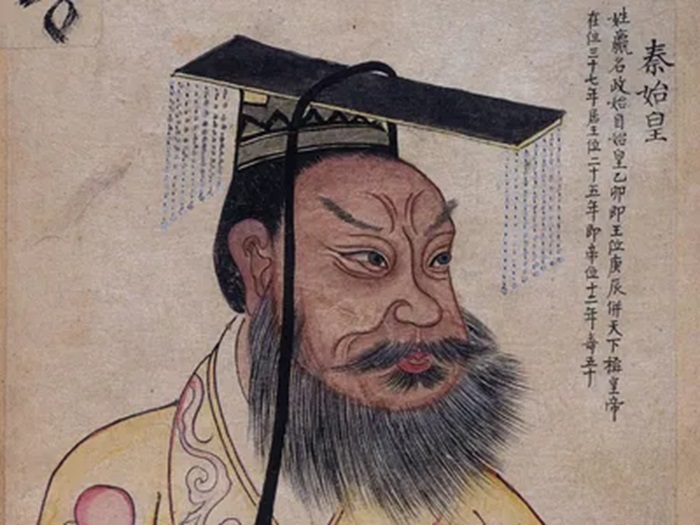
Emperor Qin Shi Huang (China, 259–210 BCE)
Overview
Qin Shi Huang, the first emperor of China, unified warring states and laid the foundation for modern China.
Key Achievements
- Standardized currency, language, and measurements across China.
- Ordered the construction of the Great Wall of China.
- Centralized power, eliminating feudal states.
- Established a legalist system that strengthened his rule.
Why He Was Powerful
His ability to unify China, enforce strict laws, and implement massive infrastructure projects solidified his power.
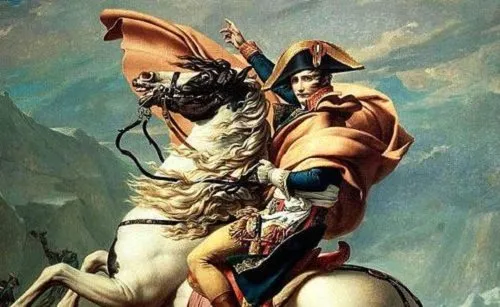
Napoleon Bonaparte (France, 1769–1821)
Overview
Napoleon Bonaparte rose from a military general to Emperor of France, leading Europe into the Napoleonic Wars.
Key Achievements
- Conquered much of Europe through strategic warfare.
- Introduced the Napoleonic Code, influencing modern legal systems.
- Reformed France’s military, economy, and governance.
- Crowned himself Emperor, demonstrating his absolute authority.
Why He Was Powerful
His military campaigns reshaped Europe, and his legal reforms still influence governments today.
Louis XIV (France, 1638–1715)
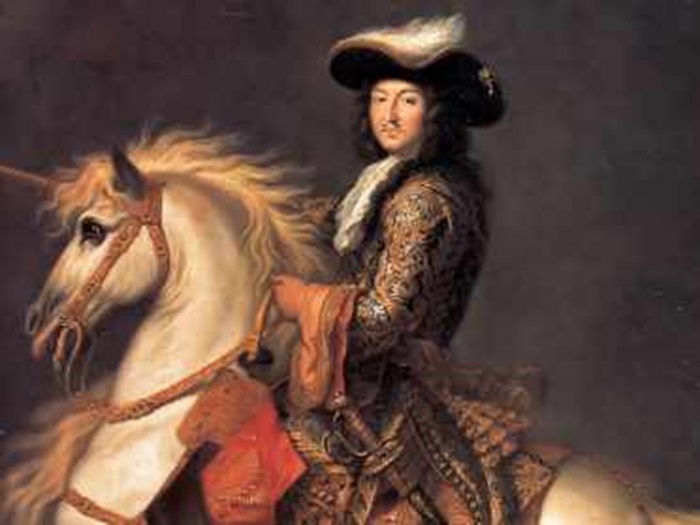
Overview
Louis XIV, also known as the “Sun King,” ruled France for over 70 years, transforming it into Europe’s dominant power.
Key Achievements
- Expanded France’s territory through wars.
- Built the Palace of Versailles, showcasing his wealth and authority.
- Strengthened the monarchy, reducing the power of nobles.
- Established France as the center of European culture and politics.
Why He Was Powerful
His absolute rule and military successes made France the most powerful country in Europe during his reign.
Akbar the Great (Mughal Empire, 1542–1605)
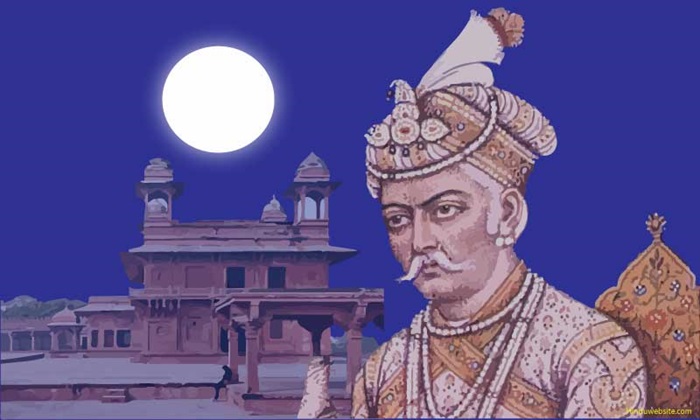
Overview
Akbar the Great expanded the Mughal Empire and established religious tolerance, strengthening his rule.
Key Achievements
- Conquered vast regions of India, making the Mughal Empire one of the largest.
- Promoted religious harmony between Hindus and Muslims.
- Reformed taxation and governance, improving economic stability.
- Encouraged art, architecture, and culture.
Why He Was Powerful
His ability to maintain a vast, diverse empire while fostering economic and cultural growth made him one of India’s greatest rulers.
Peter the Great (Russia, 1672–1725)
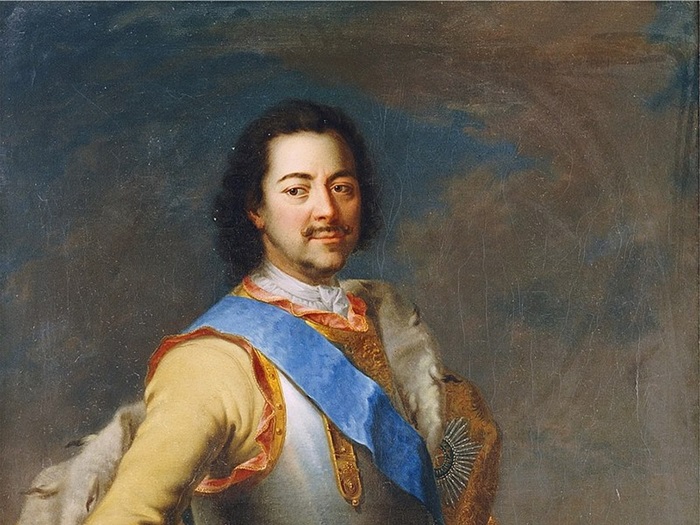
Overview
Peter the Great modernized Russia, transforming it into a major European power.
Key Achievements
- Reformed Russia’s military and government, strengthening central authority.
- Built St. Petersburg as a new capital and trade hub.
- Expanded Russia’s borders through military conquests.
- Westernized Russia, introducing European customs and technology.
Why He Was Powerful
His military conquests and modernization efforts made Russia a dominant force in world politics.
Suleiman the Magnificent (Ottoman Empire, 1494–1566)
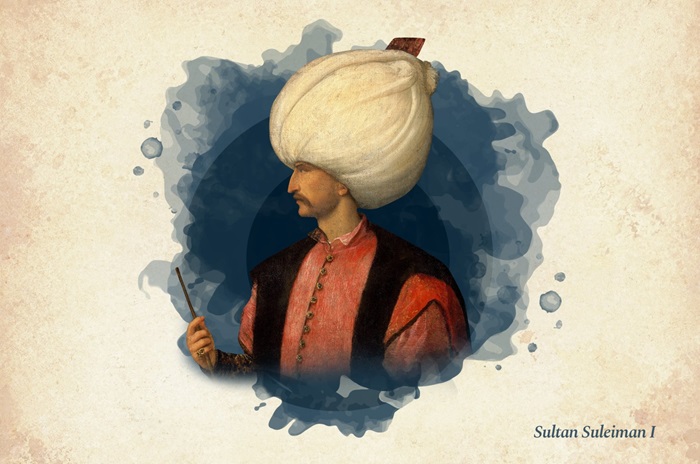
Overview
Suleiman the Magnificent expanded the Ottoman Empire, making it one of the most powerful empires of the 16th century.
Key Achievements
- Conquered large parts of Europe, Asia, and Africa.
- Strengthened Islamic laws while promoting religious tolerance.
- Encouraged advancements in art, science, and architecture.
- Reformed the military and judicial system.
Why He Was Powerful
His military success and ability to govern a vast empire made him one of the greatest rulers in Ottoman history.
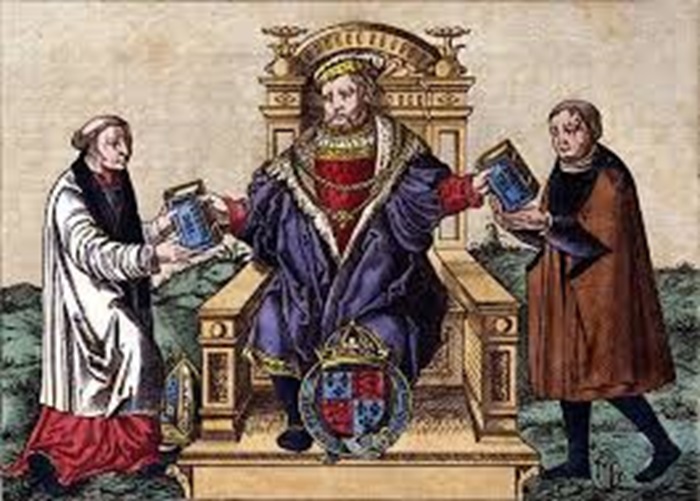
King Henry VIII (England, 1491–1547)
Overview
King Henry VIII is known for his bold decisions that changed the political and religious landscape of England.
Key Achievements
- Established the Church of England, breaking away from the Catholic Church.
- Strengthened the English monarchy by centralizing power.
- Expanded England’s influence through military campaigns.
- Encouraged Renaissance culture in England.
Why He Was Powerful
His ability to defy the Pope and establish his own church demonstrated his absolute authority over England.
FAQs
Who was the most powerful king in history?
Genghis Khan is widely considered the most powerful king due to his ability to conquer and rule the largest contiguous empire in history.
Which king had the biggest empire?
The Mongol Empire under Genghis Khan was the largest contiguous empire in history, covering vast regions across Asia and Europe.
Who was the longest-reigning king?
Louis XIV of France ruled for over 70 years, making him the longest-reigning monarch in European history.
Which king changed history the most?
Julius Caesar’s actions led to the fall of the Roman Republic and the rise of the Roman Empire, shaping Western civilization.
Who was the most famous king of England?
King Henry VIII is one of England’s most famous kings due to his role in creating the Church of England and his six marriages.