

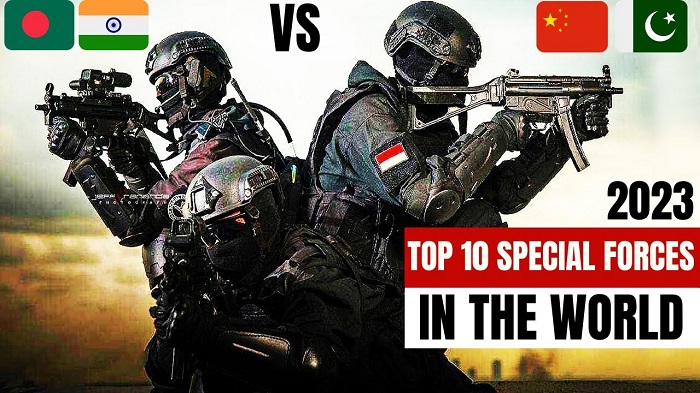
In the complex and often perilous realm of global security, certain military units stand out for their exceptional skills, rigorous training, and ability to execute high-stakes missions. These elite forces are often called upon to perform tasks that regular military units cannot, ranging from counter-terrorism operations to hostage rescues and beyond. This blog post delves into the top 10 most dangerous special forces in the world, exploring their history, training, and notable operations that have cemented their place among the elite.
Navy SEALs (United States)
History and Formation
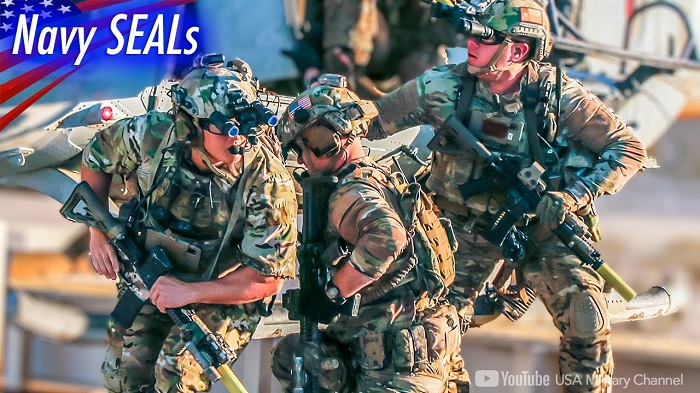
The Navy SEALs, short for Sea, Air, and Land Teams, were officially established in 1962 by President John F. Kennedy as a response to the need for unconventional warfare capabilities. Drawing on the experience of the Underwater Demolition Teams (UDTs) from World War II, the SEALs were designed to conduct clandestine and small-unit operations in maritime environments.
Training
SEAL training, known as BUD/S (Basic Underwater Demolition/SEAL), is infamous for its difficulty. The grueling program includes physical conditioning, underwater demolition, and survival training, culminating in the notorious Hell Week, where candidates undergo five and a half days of continuous training with little sleep.
Notable Operations
SEAL Team Six, also known as DEVGRU, executed the raid that resulted in the death of Osama bin Laden in 2011. This mission, Operation Neptune Spear, showcased their precision and effectiveness in counter-terrorism operations.
Special Air Service (SAS) (United Kingdom)
History and Formation
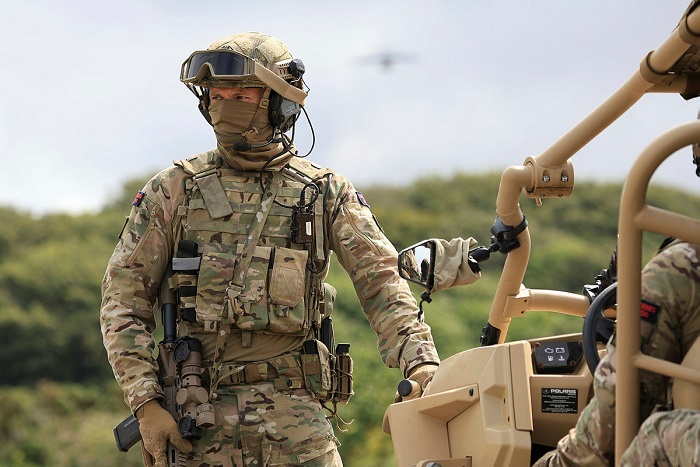
The SAS was formed during World War II in 1941 by David Stirling. Initially, their purpose was to conduct raids behind enemy lines in North Africa, disrupting Axis supply lines and gathering intelligence.
Training
SAS selection is rigorous, with a high attrition rate. It involves a series of physical and mental challenges, including the infamous “Fan Dance,” a long-distance hike over the Brecon Beacons in Wales carrying a heavy load.
Notable Operations
The SAS gained international acclaim during the 1980 Iranian Embassy Siege in London, where they successfully rescued hostages and neutralized the terrorists, highlighting their proficiency in counter-terrorism.
Spetsnaz (Russia)
History and Formation
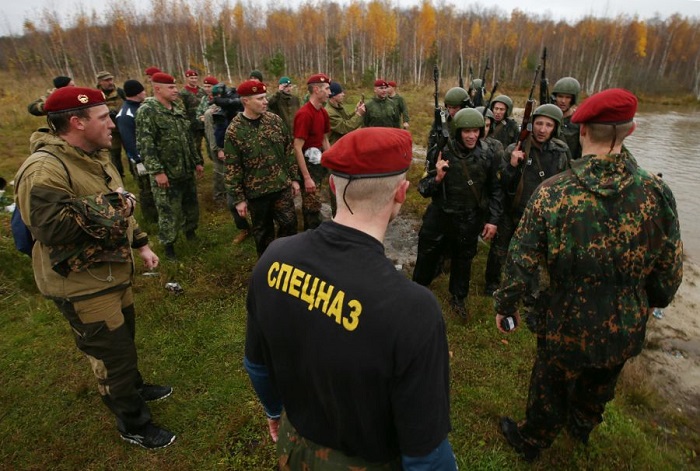
The term “Spetsnaz” refers to various Russian special forces units, but it is most commonly associated with units under the GRU (Main Intelligence Directorate). These units were first formed during World War II for reconnaissance and sabotage missions.
Training
Spetsnaz training is brutal and comprehensive, focusing on physical endurance, martial arts, and proficiency with a wide range of weapons. Recruits undergo survival training in harsh conditions, including the infamous “Kadochnikov System” martial arts.
Notable Operations
Spetsnaz units have been involved in numerous high-profile operations, including the storming of the Dubrovka Theater during the Moscow theater hostage crisis in 2002, where they employed innovative techniques to neutralize the terrorists.
GIGN (France)
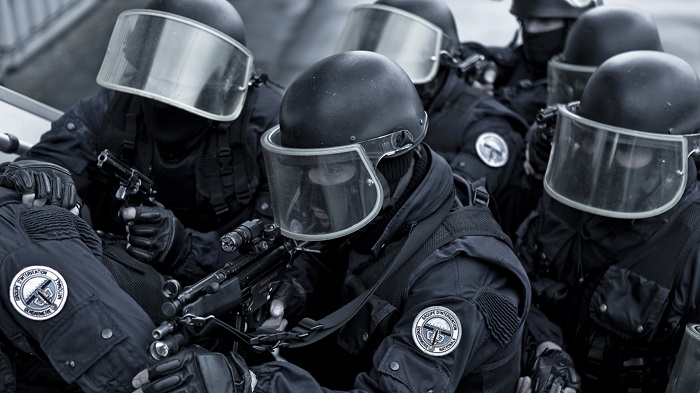
History and Formation
The National Gendarmerie Intervention Group (GIGN) was established in 1974 in response to a rise in terrorist attacks. Its primary role is counter-terrorism, hostage rescue, and high-risk law enforcement.
Training
GIGN training is extensive, focusing on marksmanship, close-quarters combat, and parachuting. Operators are also trained to handle chemical, biological, radiological, and nuclear threats.
Notable Operations
One of GIGN’s most notable operations was the hijacking of Air France Flight 8969 in 1994. GIGN stormed the plane, killing the hijackers and rescuing all passengers, demonstrating their expertise in hostage rescue.
Sayeret Matkal (Israel)
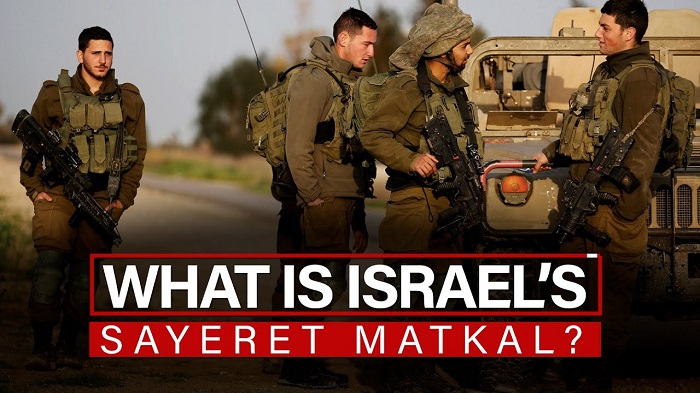
History and Formation
Sayeret Matkal, also known as the General Staff Reconnaissance Unit, was formed in 1957. Modeled after the British SAS, it serves as Israel’s premier special operations force, specializing in intelligence gathering and counter-terrorism.
Training
Sayeret Matkal’s selection process, known as “gigbush,” is grueling, testing candidates’ physical and mental endurance. Training includes navigation, reconnaissance, and specialized courses in counter-terrorism and sabotage.
Notable Operations
Operation Entebbe in 1976 is one of Sayeret Matkal’s most famous missions. The unit successfully rescued over 100 hostages from a hijacked plane in Uganda, a mission that required precise planning and execution.
Delta Force (United States)
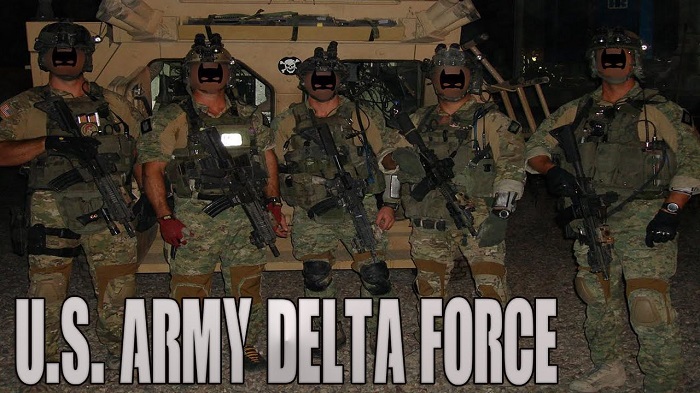
History and Formation
Delta Force, officially known as the 1st Special Forces Operational Detachment-Delta (1st SFOD-D), was formed in 1977 by Colonel Charles Beckwith. It was established to handle counter-terrorism and hostage rescue missions.
Training
Delta Force selection is shrouded in secrecy but is known to be extremely demanding. It includes a rigorous assessment phase, advanced marksmanship, and close-quarters battle training.
Notable Operations
Delta Force was integral in the 2003 rescue of PFC Jessica Lynch during the Iraq War and has been involved in numerous counter-terrorism operations worldwide.
JTF2 (Canada)
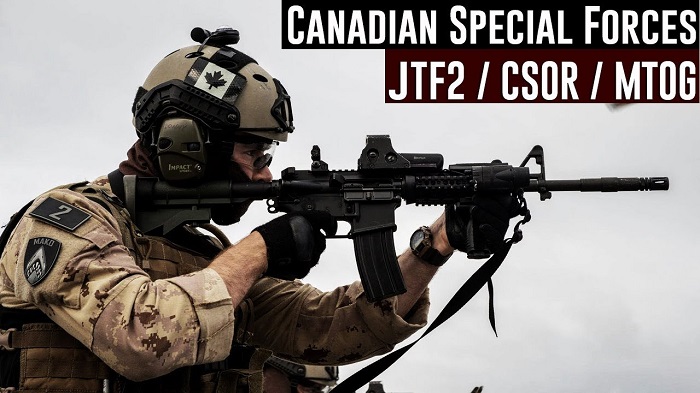
History and Formation
Joint Task Force 2 (JTF2) was created in 1993 to provide the Canadian Armed Forces with a dedicated counter-terrorism capability. It operates under the Canadian Special Operations Forces Command.
Training
JTF2’s selection and training are highly secretive, focusing on physical endurance, marksmanship, and close-quarters combat. Operators are trained for a wide range of environments and scenarios.
Notable Operations
JTF2 has participated in numerous international operations, including in Afghanistan, where they played a crucial role in counter-terrorism and intelligence-gathering efforts.
GSG 9 (Germany)
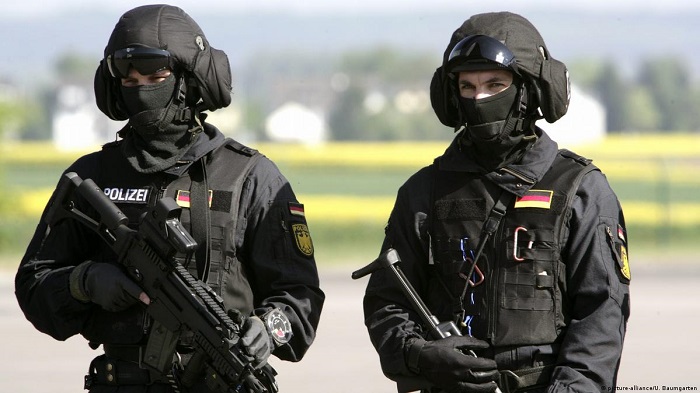
History and Formation
GSG 9 was formed in response to the Munich Olympics massacre in 1972. The unit was created to provide Germany with a specialized counter-terrorism capability.
Training
GSG 9 training is rigorous, including advanced marksmanship, close-quarters combat, and tactical driving. Operators are also trained in dealing with chemical and biological threats.
Notable Operations
In 1977, GSG 9 successfully rescued hostages from Lufthansa Flight 181 in Mogadishu, Somalia, in a high-profile operation that demonstrated their effectiveness in counter-terrorism.
Marcos (India)
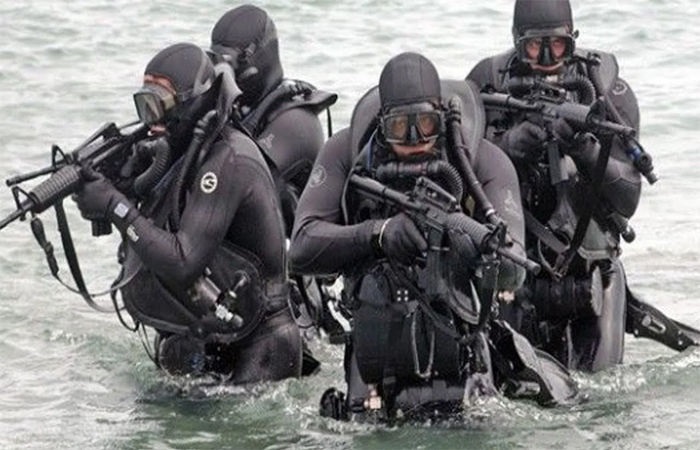
History and Formation
The Marine Commandos (MARCOS) were formed in 1987 to provide the Indian Navy with a special operations capability. They specialize in maritime warfare, counter-terrorism, and amphibious operations.
Training
MARCOS training is intense, including physical conditioning, scuba diving, and parachuting. Recruits undergo specialized training in counterterrorism and unconventional warfare.
Notable Operations
MARCOS played a key role in the 2008 Mumbai attacks, conducting operations to neutralize terrorists and rescue hostages in several locations, including the Taj Mahal Palace Hotel.
Special Services Group (SSG) (Pakistan)
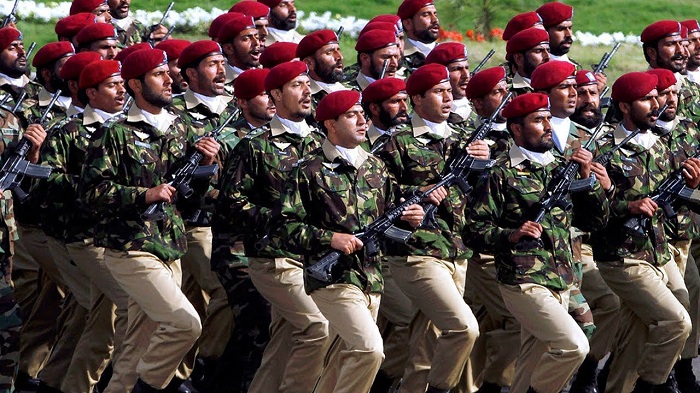
History and Formation
The Special Services Group (SSG) was formed in 1956 as Pakistan’s primary special operations force. Modeled after the British SAS, it conducts counter-terrorism, reconnaissance, and unconventional warfare.
Training
SSG training is rigorous, including physical conditioning, parachuting, and survival skills. Operators are trained in a variety of combat techniques, including hand-to-hand combat and explosives handling.
Notable Operations
The SSG has been involved in numerous counter-terrorism operations within Pakistan and has participated in international peacekeeping missions. Their operation to rescue hostages from the Karachi Airport in 2014 showcased their capabilities.
Related Post:
Top 10 Tourist Places in India: Your Ultimate Guide to Exploring Incredible India
Top 10 Reasons for Leaving a Job: All You Need to Know
Top 10 Places to Visit in Goa with Family
These elite special forces units represent the pinnacle of military capability, each with a unique history, rigorous training, and a record of successful operations. Their bravery and skill make them indispensable in the fight against global threats, ensuring the safety and security of their respective nations. Whether in the air, on land, or at sea, these units continue to set the standard for excellence in special operations, embodying the spirit of courage, resilience, and professionalism.