


India, known for its rich cultural heritage and diverse landscapes, is the seventh-largest country in the world. It is divided into 28 states and 8 Union territories, each with its own unique identity and charm. In this blog post, we will explore the top 10 largest states in India by area, delving into their geographical features, cultural significance, and key highlights.
Rajasthan
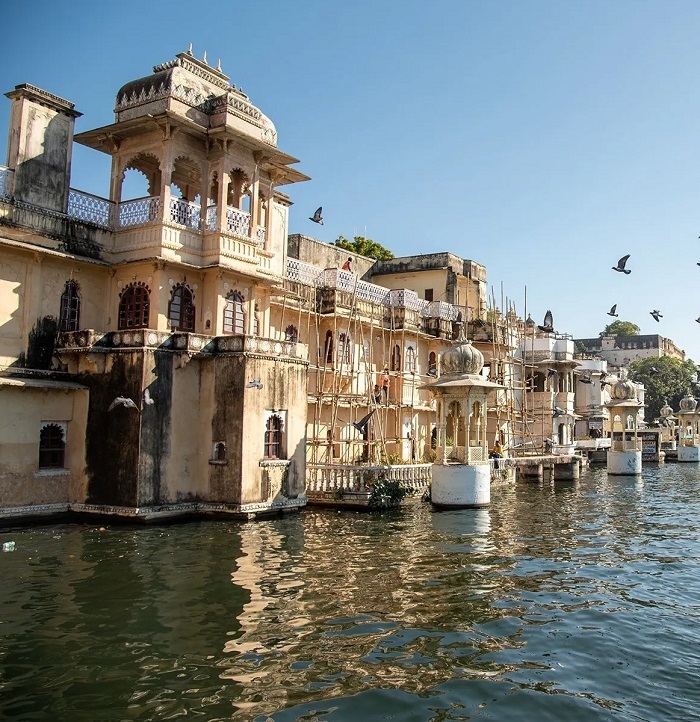
Area: 342,239 sq km
Capital: Jaipur
Major Cities: Udaipur, Jodhpur, Kota
Rajasthan, the largest state in India, is renowned for its vast desert landscapes, magnificent palaces, and vibrant culture. The Thar Desert, also known as the Great Indian Desert, dominates the western part of the state. Rajasthan is home to numerous historical sites, including the Amber Fort, Mehrangarh Fort, and the City Palace in Jaipur. The state is also famous for its traditional music, dance, and festivals like the Pushkar Camel Fair and Jaipur Literature Festival.
Madhya Pradesh
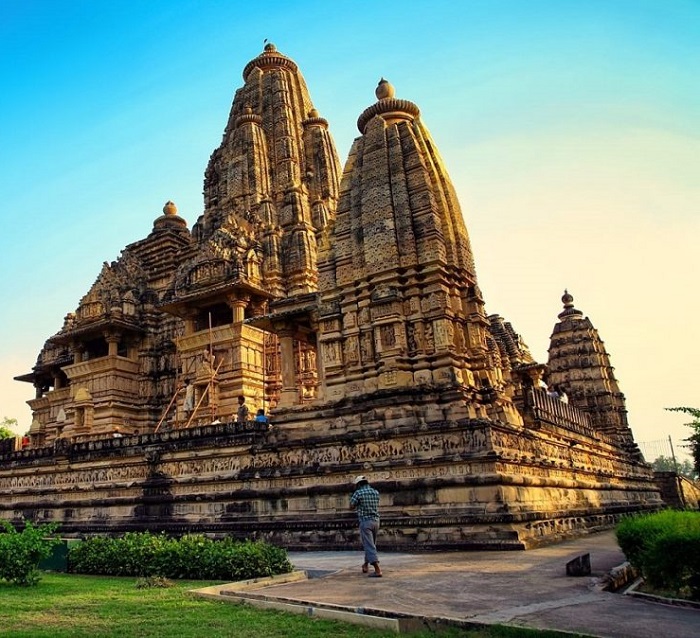
Area: 308,252 sq km
Capital: Bhopal
Major Cities: Indore, Gwalior, Jabalpur
Located in the heart of India, Madhya Pradesh is often referred to as the “Heart of India.” The state boasts diverse landscapes, including dense forests, rivers, and mountain ranges. It is home to several UNESCO World Heritage Sites, such as the Khajuraho Group of Monuments and the Sanchi Stupa. The state is also known for its wildlife sanctuaries and national parks like Kanha, Bandhavgarh, and Pench, which attract wildlife enthusiasts from around the world.
Maharashtra
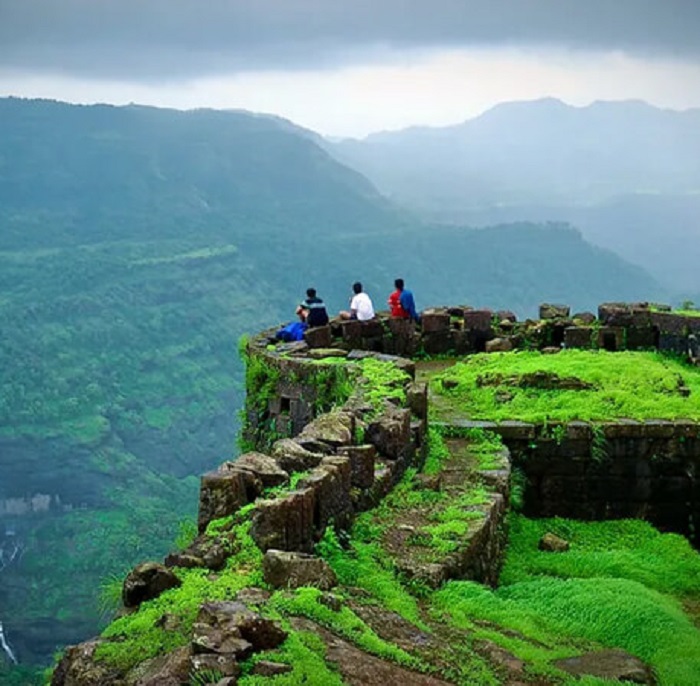
Area: 307,713 sq km
Capital: Mumbai
Major Cities: Pune, Nagpur, Nashik
Maharashtra, located in the western part of India, is one of the most economically significant states in the country. It is home to Mumbai, the financial capital of India and a global city known for its bustling lifestyle and Bollywood film industry. The state features a diverse landscape that includes beaches, mountains, and bustling urban centers. Maharashtra is also famous for its historical sites like the Ajanta and Ellora Caves, the Gateway of India, and the hill stations of Lonavala and Mahabaleshwar.
Uttar Pradesh
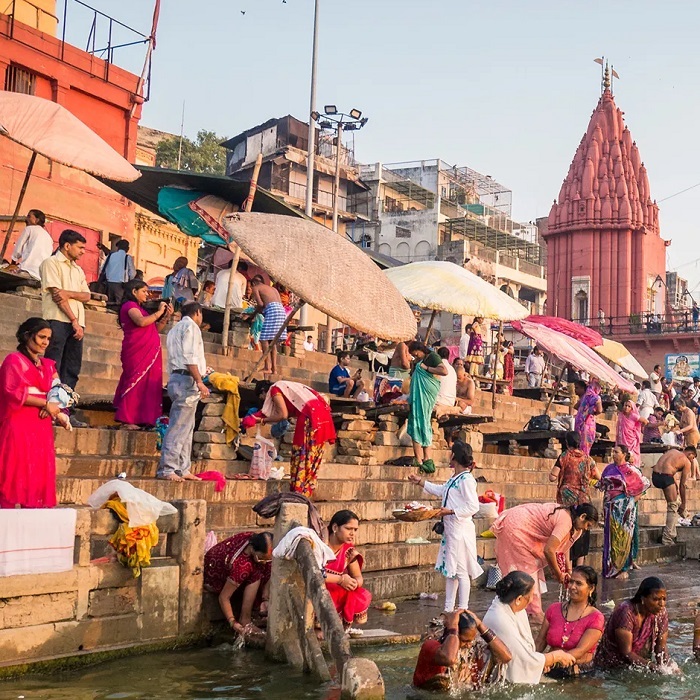
Area: 243,286 sq km
Capital: Lucknow
Major Cities: Kanpur, Varanasi, Agra
Uttar Pradesh, often referred to as the “Heartland of India,” is the most populous state in the country. It is known for its rich cultural heritage, historical significance, and religious diversity. The state is home to several important cities, including Varanasi, one of the oldest continuously inhabited cities in the world and a major religious center for Hindus. Agra, another prominent city, is famous for the iconic Taj Mahal. Uttar Pradesh is also known for its vibrant festivals, traditional crafts, and delicious cuisine.
Gujarat
Area: 196,024 sq km
Capital: Gandhinagar
Major Cities: Ahmedabad, Surat, Vadodara
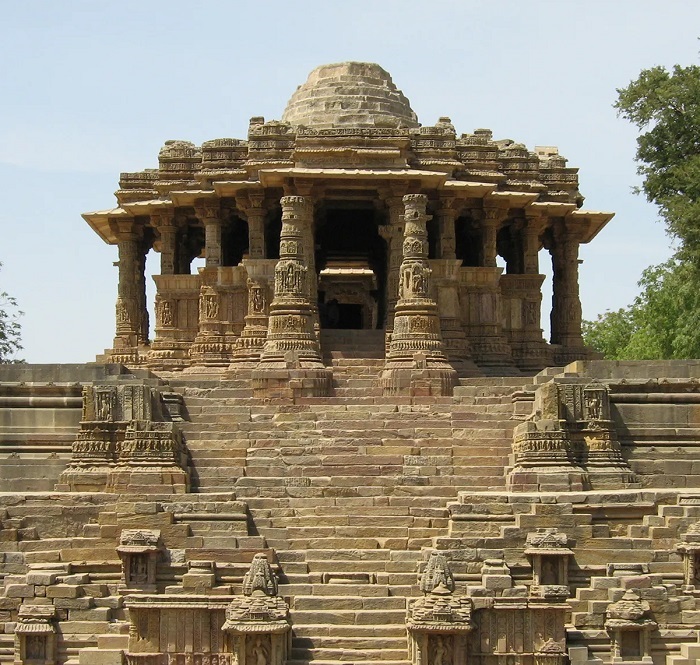
Gujarat, located on the western coast of India, is known for its vibrant culture, entrepreneurial spirit, and historical significance. The state boasts a diverse landscape that includes the Rann of Kutch, the Gir Forest, and the coastline along the Arabian Sea. Gujarat is home to several important historical and religious sites, including the Somnath Temple, Dwarkadhish Temple, and the Sabarmati Ashram. The state is also known for its festivals, such as Navratri and the Kite Festival, as well as its rich culinary traditions.
Karnataka
Area: 191,791 sq km
Capital: Bengaluru
Major Cities: Mysuru, Mangaluru, Hubballi-Dharwad
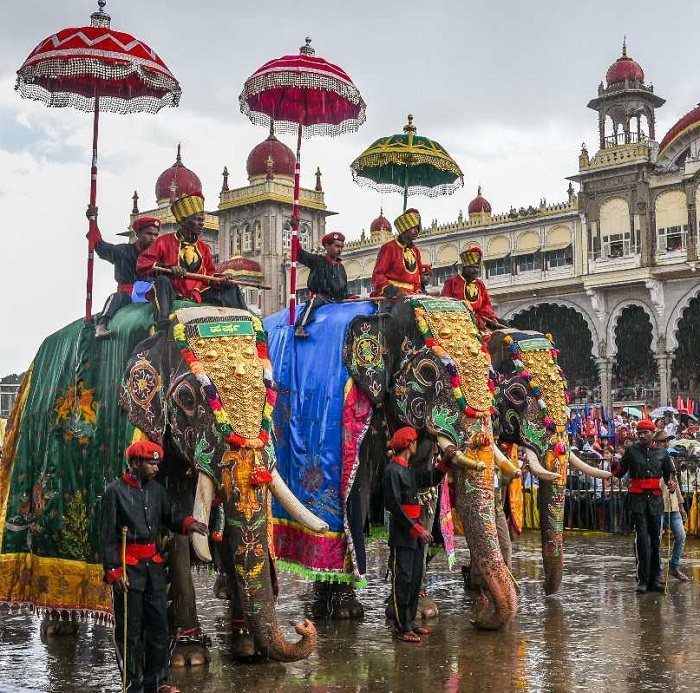
Karnataka, located in the southwestern region of India, is known for its diverse geography, rich cultural heritage, and thriving technology sector. The state capital, Bengaluru, is often referred to as the “Silicon Valley of India” due to its prominence in the IT industry. Karnataka is home to numerous historical sites, such as Hampi, a UNESCO World Heritage Site, and the Mysore Palace. The state also features stunning natural landscapes, including the Western Ghats, lush coffee plantations, and beautiful beaches along the Arabian Sea.
Andhra Pradesh
Area: 162,968 sq km
Capital: Amaravati (de facto), Visakhapatnam (executive)
Major Cities: Visakhapatnam, Vijayawada, Tirupati
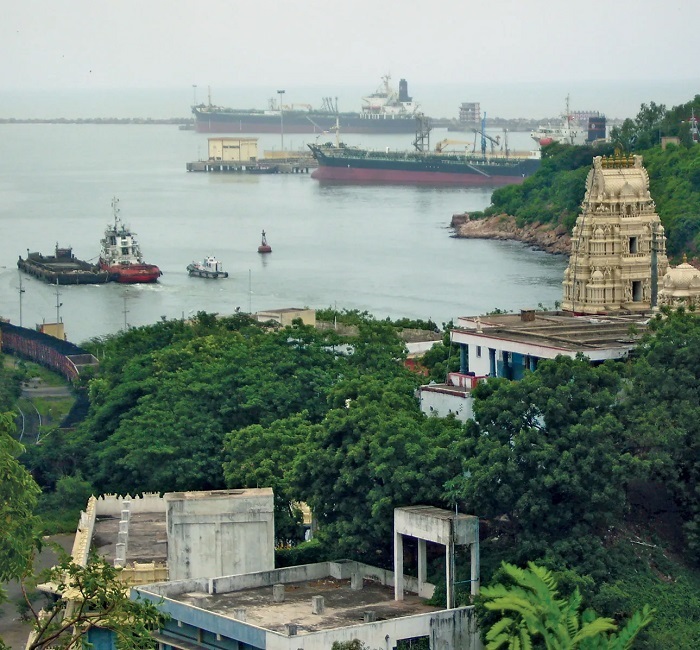
Andhra Pradesh, located in the southeast part of India, is known for its rich history, cultural diversity, and scenic beauty. The state has a long coastline along the Bay of Bengal, featuring beautiful beaches and ports. Andhra Pradesh is famous for its temples, such as the Tirumala Venkateswara Temple in Tirupati, one of the most visited pilgrimage sites in the world. The state is also known for its classical dance forms like Kuchipudi, traditional crafts, and delicious cuisine, particularly its spicy Andhra dishes.
Odisha
Area: 155,707 sq km
Capital: Bhubaneswar
Major Cities: Cuttack, Rourkela, Puri
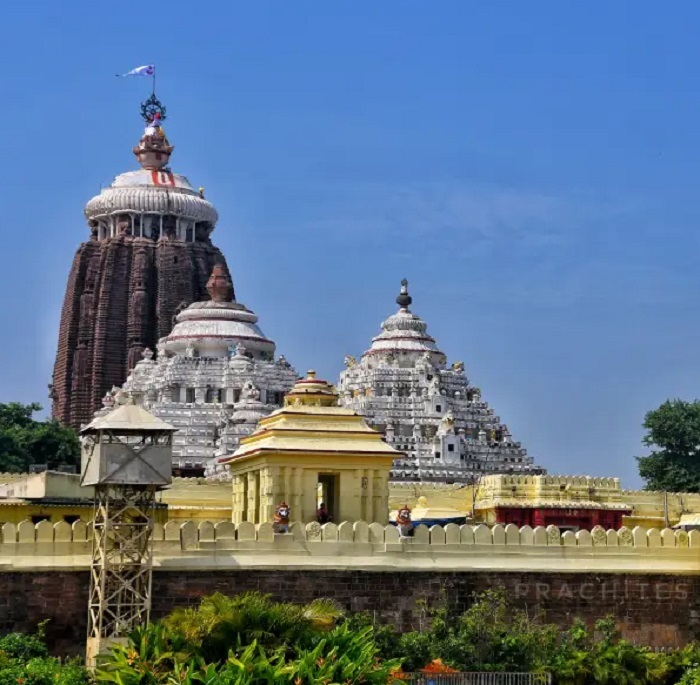
Odisha, located on the eastern coast of India, is known for its rich cultural heritage, historical significance, and natural beauty. The state features a diverse landscape that includes beaches, forests, and hills. Odisha is home to several important historical and religious sites, such as the Konark Sun Temple, Jagannath Temple in Puri, and the Udayagiri and Khandagiri Caves. The state is also famous for its classical dance form, Odissi, traditional arts and crafts, and vibrant festivals like the Rath Yatra in Puri.
Chhattisgarh
Area: 135,191 sq km
Capital: Raipur
Major Cities: Bilaspur, Durg, Bhilai
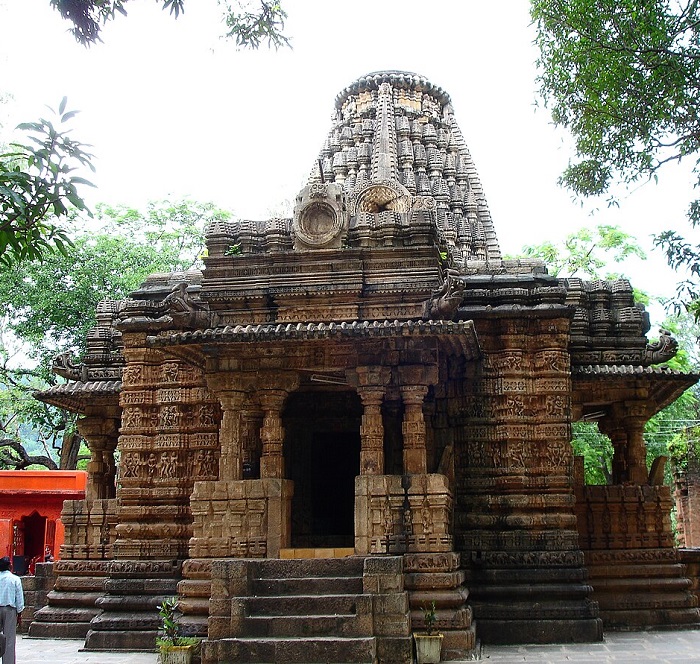
Chhattisgarh, located in central India, is known for its rich cultural heritage, tribal traditions, and natural resources. The state features dense forests, rivers, waterfalls, and wildlife sanctuaries. Chhattisgarh is home to several important archaeological sites, such as the ancient Buddhist site of Sirpur and the tribal village of Bastar. The state is also known for its traditional crafts, music, dance, and vibrant festivals like Bastar Dussehra. Chhattisgarh is a major producer of steel and power in India, contributing significantly to the country’s industrial output.
Tamil Nadu
Area: 130,058 sq km
Capital: Chennai
Major Cities: Coimbatore, Madurai, Tiruchirappalli
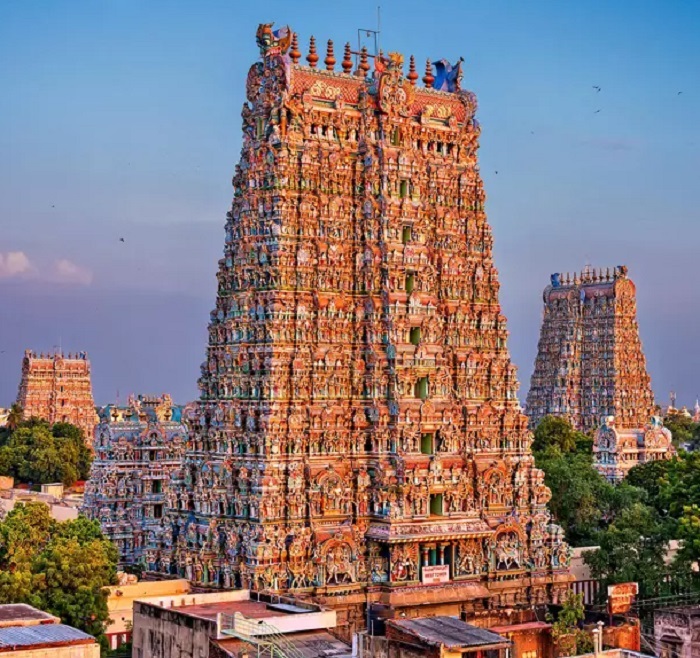
Tamil Nadu, located in the southern part of India, is known for its rich cultural heritage, historical significance, and natural beauty. The state features a diverse landscape that includes mountains, beaches, and fertile plains. Tamil Nadu is home to several important historical and religious sites, such as the Brihadeeswarar Temple in Thanjavur, the Meenakshi Temple in Madurai, and the ancient city of Mahabalipuram. The state is also famous for its classical dance form, Bharatanatyam, traditional music, and vibrant festivals like Pongal and the Chennai Music Season.
Related Post:
Top 10 K-Dramas: A Must-Watch List for Every Enthusiast
Top 10 Hotels in India: A Blend of Luxury, Heritage, and Comfort
Top 10 Historical Places in India
India’s vast and diverse states each offer a unique blend of culture, history, and natural beauty. From the deserts of Rajasthan to the lush forests of Chhattisgarh, and from the bustling metropolis of Mumbai in Maharashtra to the serene beaches of Odisha, each state has something special to offer. Understanding the geographical and cultural diversity of these states not only enriches our knowledge but also deepens our appreciation for the incredible diversity that defines India. Whether you’re a history buff, nature lover, or cultural enthusiast, exploring the largest states in India by area provides a fascinating journey through the heart of this incredible country.