

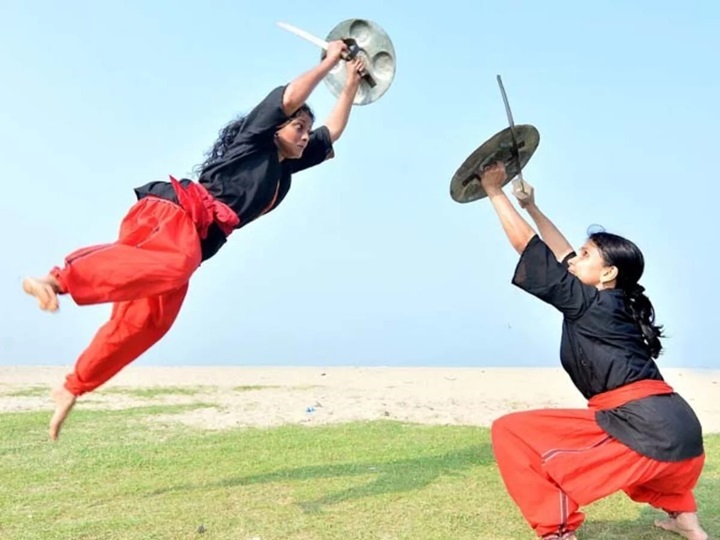
India has a grand legacy of century-old martial arts that extend much beyond combat and war to encompass philosophy, spirituality, and physical well-being. Almost all of them survive until the present day, with athletes, combatants, and sportspersons practicing them.
Here are the top 10 Indian martial arts which have shaped the country’s combat culture.
Kalaripayattu – The Mother of All Martial Arts
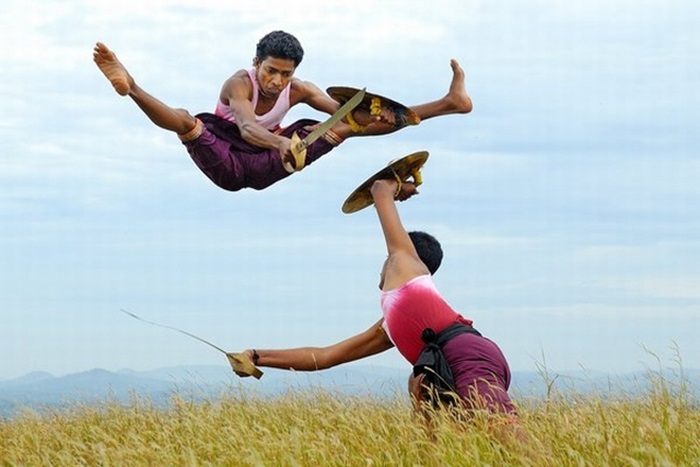
Kalaripayattu, the oldest martial art in the world, originated in Kerala and had a profound influence on most combat systems in the world, including Chinese and Japanese martial arts.
- Origin: Kerala
- Special Techniques: Sword fighting, acrobatics, locks, strikes
- Why It’s Famous: Famous for smooth movements and weapon-based fighting, including swords, daggers, and flexible weapons like urumi.
Trainees are put through intense training, including body conditioning, combat skills, and the use of weapons.
Silambam – The Art of Stick Fight
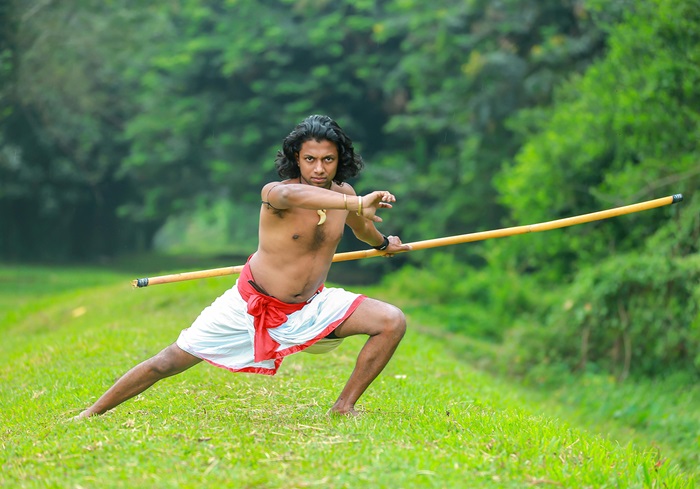
Silambam is a traditional Tamil stick-fighting and agility art. It was historically employed by South Indian warriors to fight wars and protect themselves.
- Origin: Tamil Nadu
- Special Techniques: Stick fighting, swift footwork, turns
- Why It’s Famous: Expertise in long sticks, swords, and other weapons.
Silambam’s speed in striking and defense techniques is a powerful and efficient form of combat.
Gatka – Sikh Warrior Martial Art
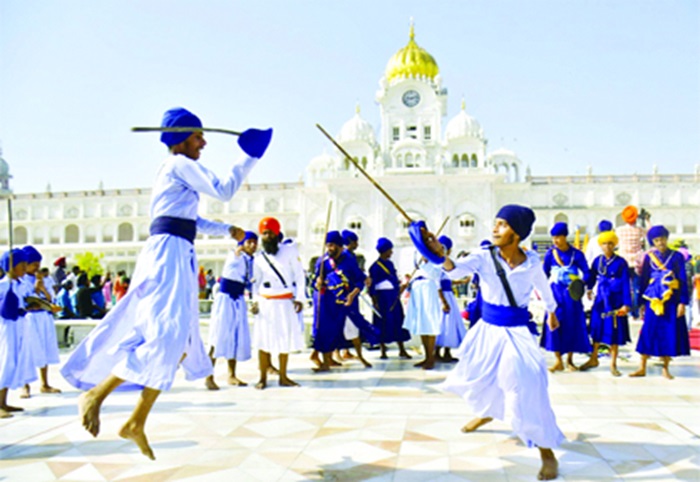
Gatka is an ancient Sikh martial art developed from generations of Sikh warriors’ martial abilities. It continues to be practiced in Punjab to this day, especially during religious festivities.
- Origin: Punjab
- Special Techniques: Sword and stick fighting, defense tactics
- Why It’s Famous: Practiced by Sikh warriors and often showcased during religious processions.
Spiritual discipline and protection are the focal points of Gatka, which is an essential part of Sikh heritage.
Thang-Ta – Sword and Spear Art of Manipur
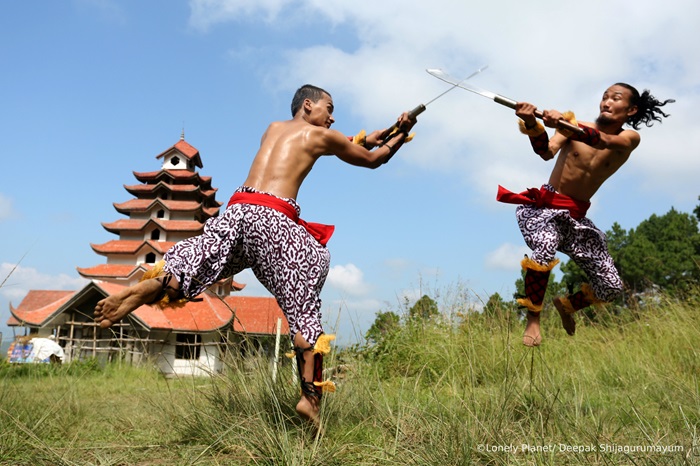
Thang-Ta is an ancient Manipuri martial sport that uses sword (thang) and spear (ta) fighting. It was created by the Meitei warriors and was an essential element of their protection.
- Origin: Manipur
- Special Techniques: Spear techniques, hand fighting, sword techniques
- Why It’s Famous: A blend of armed and unarmed combat in a unique way.
Thang-Ta includes rituals, meditation, and dance-like movements, which make it distinct from other martial arts.
Lathi Khela – The Bamboo Stick Fighting Art
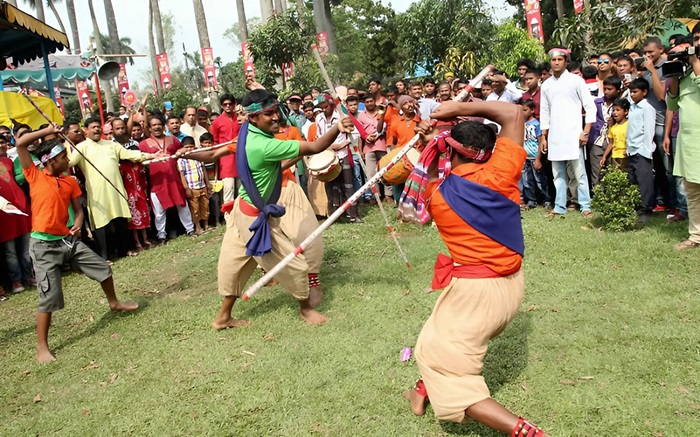
Lathi Khela is a Bengali stick fighting game, traditionally used by Indian farmers and soldiers as a defensive game.
- Origin: West Bengal, Bangladesh
- Special Techniques: Stick fighting, lightning attacks, blocking techniques
- Why It’s Popular: An effectual and efficient but simple-to-perform combat sport, heavily practiced in villages in India.
Currently, Lathi Khela is still a popular sport and is frequently seen at exhibitions and fairs.
Mallakhamb – The Sport of Combat With Gymnastic Origins
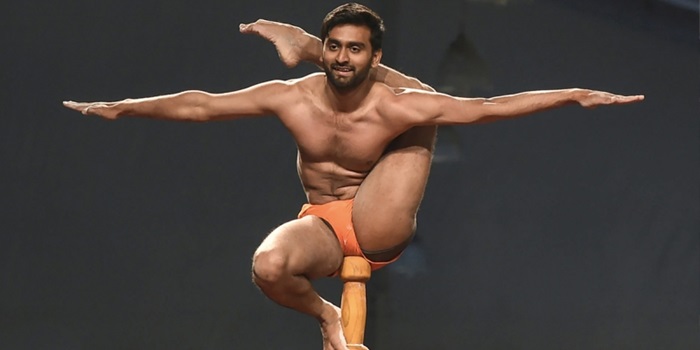
A combat sport employing the application of the combination of acrobatic movements, yoga, and strength training of the body. The process of executing advanced movements upon a wooden beam or suspension string held upright.
- Origin: Maharashtra
- Special Techniques: Pole climbing, balancing, aerial movements
- Why It’s Famous: It needs extraordinary flexibility, body control, and core strength.
Although it first started as a training procedure for wrestlers, nowadays Mallakhamb is a sport.
Kushti – Indian Traditional Wrestling
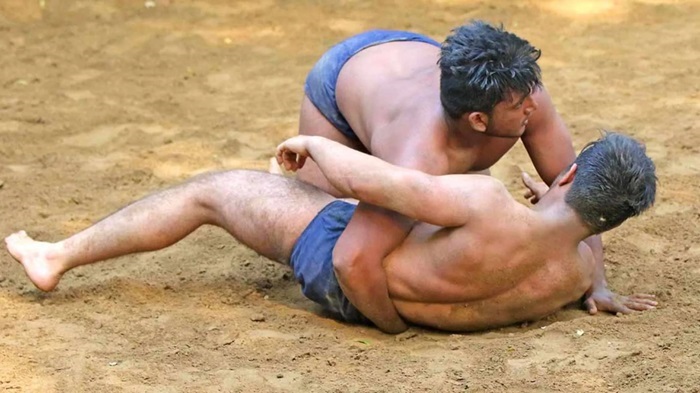
Kushti, or Pehlwani, is India’s traditional form of wrestling, which is practiced in mud baths or akhadas. The wrestlers undergo rigorous training routines and diets to build strength and endurance.
- Special Techniques: Grappling, throwing, submission holds
- Why It’s Famous: Emphasizes discipline, body conditioning, and powerful wrestling techniques.
Kushti continues to be practiced in rural India, where the wrestlers train under veteran coaches, or ustads.
Musti Yuddha – The Ancient Indian Bare-Knuckle Boxing
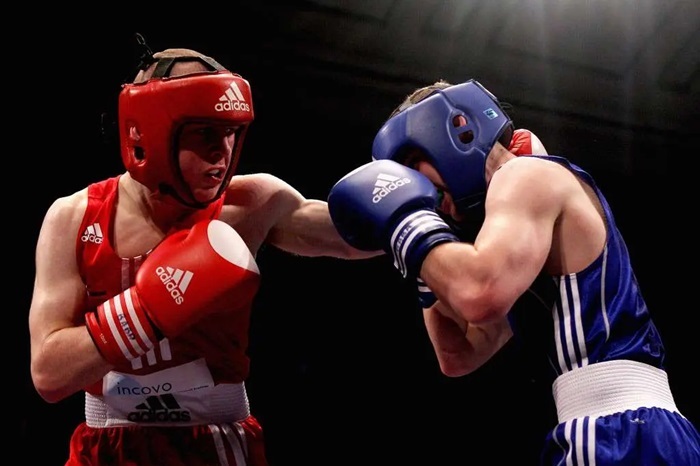
Musti Yuddha is one of the oldest sports martial arts, with a focus on bare-knuckle hand-to-hand fighting.
- Origin: Varanasi, Uttar Pradesh
- Special Techniques: Punches, elbow thrusts, kicks
- Why It’s Famous: A very old bare-knuckle fighting sport, older than modern-day boxing.
Less popular nowadays, efforts are being made to bring back Musti Yuddha as a recognized martial art.
Mardani Khel – Maharashtra’s Warrior Art
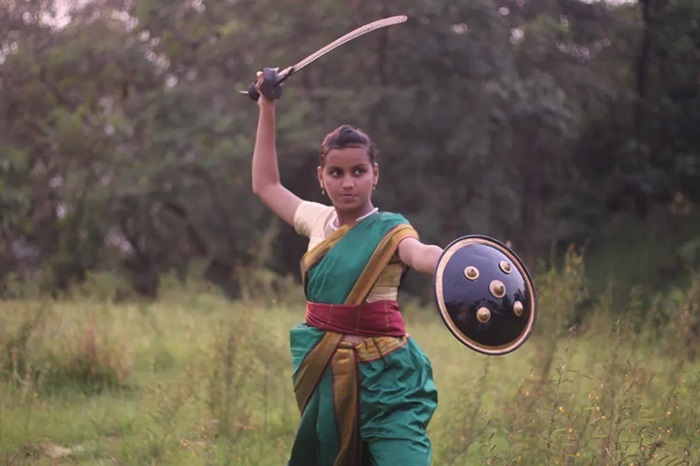
Mardani Khel is a medieval Maratha combat art used by Shivaji Maharaj’s guerrilla fighters.
- Origin: Maharashtra
- Special Techniques: Swordsmanship, legwork, defense
- Why It’s Famous: Famous for fast and tactical combat skills.
Mardani Khel is played in Maharashtra, especially rural villages, as junior combatants are taught by experts.
Pari-Khanda – The Style of Sword and Shield Fighting
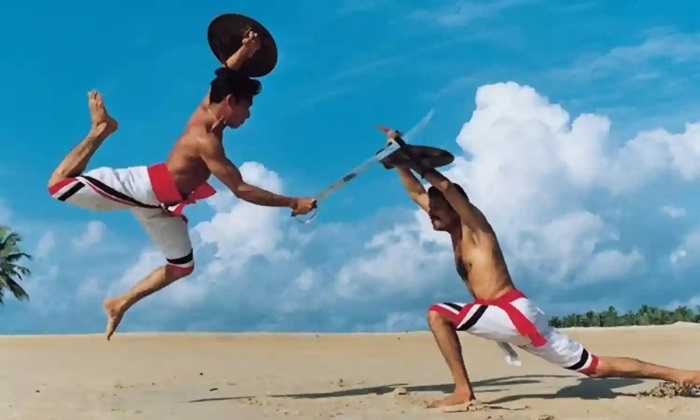
Pari-Khanda is a Bihar-centered art that specializes in sword (pari) and shield (khanda) mobility.
- Origin: Bihar
- Special Techniques: Defense blocks, swift sword strikes
- Why It’s Famous: It has been evolved from Rajput and Mughal-era combat skills.
Pari-Khanda continues to be used in classical dance and martial arts demonstrations in Bihar.
Why Indian Martial Arts Are Different
- Ancient History – They have been practiced for thousands of years.
- Mastery of Weapons – Most of the styles employ sticks, swords, spears, and yielding weapons.
- Spiritual and Physical Conditioning – They use meditation, yoga, and breathing exercises.
- Combat Readiness & Fitness – They build agility, strength, and endurance.
- Cultural Significance – They are deeply rooted in Indian culture and are still practiced today.
FAQs
What is India’s oldest martial art?
Kalaripayattu is India’s and possibly the world’s oldest martial art.
Is Silambam similar to Kalaripayattu?
Although both are weapons-based, Kalaripayattu is a full-body combat sport, whereas Silambam is stick fighting.
Which Indian martial arts are most effective for self-defense?
Kalaripayattu, Thang-Ta, and Gatka are used very effectively in self-defense.
Are Indian martial arts still practiced?
Yes, there are some training schools in India and abroad that impart Indian martial arts.
Do Indian martial arts have international recognition?
Yes, Silambam and Kalaripayattu are well-established everywhere in the world due to their practices and tradition.