

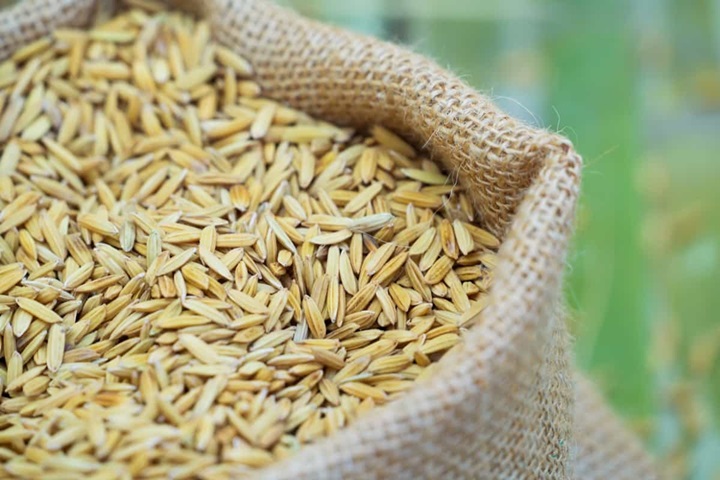
Rice is a staple crop in India, and with the growing demand, farmers require high-yielding, disease-resistant, and climate-tolerant paddy varieties for maximum production. Hybrid paddy seeds have been a game-changer, with increased productivity, better grain quality, and adaptability to cultivate under different climatic conditions.
Since there are rapid developments in agriculture, farmers are cultivating hybrid paddy varieties to achieve more yield, reduce losses in crops, and attain food security. Following is the complete list of the top 10 best hybrid paddy seeds in India with high yielding capacity and disease resistance.
1. KRH-2 – Most Suitable Hybrid
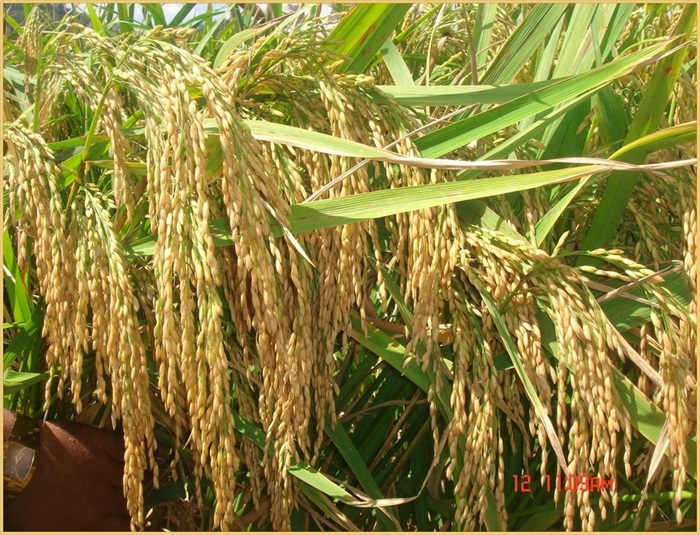
- Developed by: University of Agricultural Sciences (UAS), Bangalore
- Duration: 130–135 days
- Yield Potential: 3.0 tons per acre
- Suitable Regions: Bihar, Karnataka, Tamil Nadu, Tripura, Maharashtra, Haryana, Uttarakhand, Odisha, West Bengal, Pondicherry, Rajasthan
- Why cultivate KRH-2?
KRH-2 is one of the most cultivated hybrid rice varieties in India. It is easily adapted to different climatic conditions and is an ideal option for farmers who want consistency in performance and climatic stress tolerance.
2. PHB-71 – High Yield Hybrid
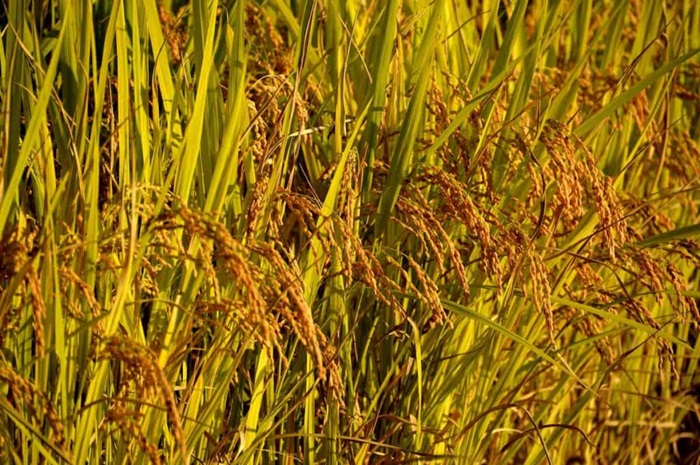
- Breeder: Pioneer Overseas Corporation, Hyderabad
- Duration: 130–135 days
- Yield Potential: 3.2 tons per acre
- Recommended Regions: Haryana, Uttar Pradesh, Tamil Nadu, Andhra Pradesh, Karnataka
- Why Choose PHB-71?
PHB-71 is extremely popular due to its very high yield and improved grain quality. It is used in extensive commercial cultivation, having good adaptability and disease resistance.
3. DRRH-2 – Best for Early Maturity

- Developed by: Directorate of Rice Research (DRR), Hyderabad
- Duration: 112–116 days
- Yield Potential: 2.2 tons per acre
- Recommended Regions: Haryana, Uttarakhand, West Bengal, Tamil Nadu
- Why Choose DRRH-2?
This is an early maturing hybrid paddy seed that facilitates early harvest by the farmers with reduced exposure to seasonal risk. It is ideal for regions where early sowing and harvesting are preferable.
4. Sahyadri-3 – Ideal for Maharashtra

- Developed by: Regional Agricultural Research Station (RARS), Karjat (BSKKV)
- Maturity Period: 125–130 days
- Yield Potential: 3.0 tons per acre
- Suitable Regions: Maharashtra
- Why use Sahyadri-3?
Developed exclusively for the climate of Maharashtra, this hybrid paddy variant offers high yield, improved disease resistance, and uniformity of grain quality.
5. PA 6444 – Ideal Hybrid for Grain Quality
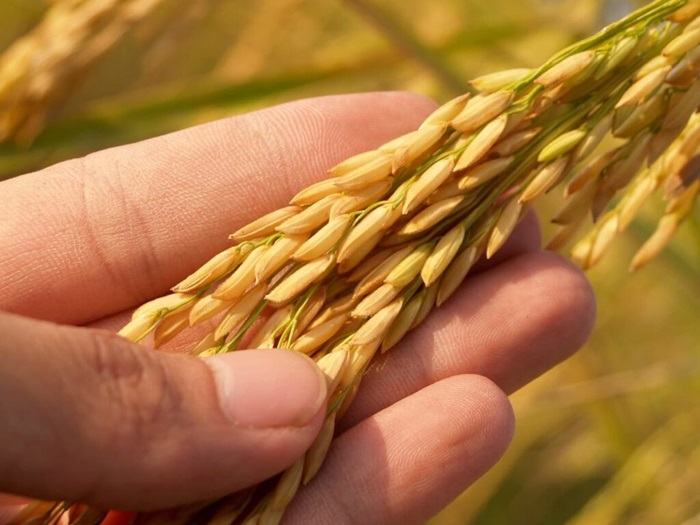
- Developed by: Bayer Bio-Science, Hyderabad
- Duration: 135–140 days
- Yield Potential: 2.5 tons per acre
- Recommended Regions: Uttar Pradesh, Tripura, Odisha, Andhra Pradesh, Karnataka, Maharashtra, Uttarakhand
- Why Use PA 6444?
Farmers prefer PA 6444 due to its high grain quality and adaptability to diverse terrains. It is renowned for producing even and fine-quality grains and is a profitable option for commercial rice farming.
6. Pusa RH-10 – Best Hybrid for Basmati Rice
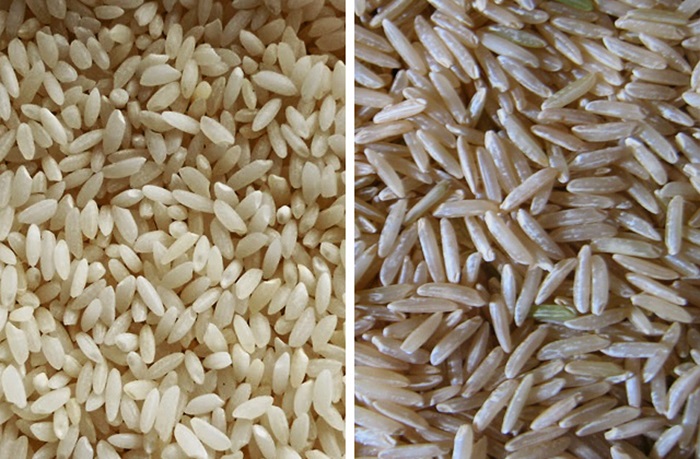
- Developed by: Indian Agricultural Research Institute (IARI), New Delhi
- Duration: 120–125 days
- Yield Potential: 1.8 tons per acre
- Recommended Regions: Haryana, Delhi, Western Uttar Pradesh, Uttarakhand
- Why Use Pusa RH-10?
This hybrid is one of the best choices for cultivating aromatic Basmati rice. Farmers who cultivate Pusa RH-10 can expect a good market price because of its enhanced grain quality and aroma.
7. Sahyadri-4 – Best Early Maturity Hybrid for Multi Cropping
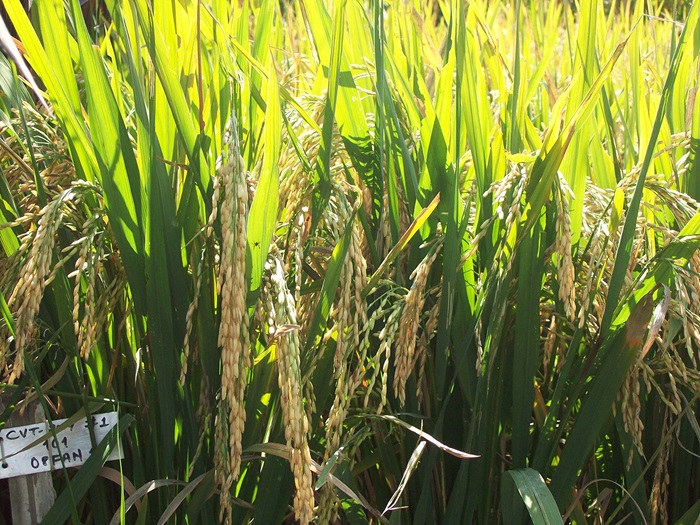
- Developed by: Regional Agricultural Research Station (RARS), Karjat (BSKKV)
- Duration: 115–120 days
- Yield Potential: 2.8 tons per acre
- Recommended Regions: Haryana, West Bengal, Uttar Pradesh, Maharashtra, Punjab
- Why Grow Sahyadri-4?
It is a short-duration variety that allows farmers to reap more than a single crop in a year and is highly profitable. Its resistance to significant pests and diseases is another benefit.
8. JKRH-401 – Suitable for Eastern India
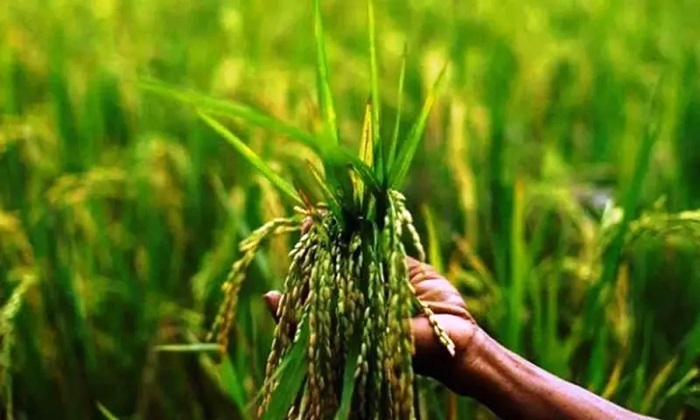
- Developed by: JK Agri. Genetics Ltd., Hyderabad
- Duration: 125–130 days
- Yield Potential: 2.5 tons per acre
- Recommended Regions: Bihar, Odisha, West Bengal
- Why Use JKRH-401?
This hybrid is specifically bred for Eastern India with high adaptability, better disease resistance, and decent yield potential in humid conditions.
9. PA 6201 – Top High-Yielding Hybrid
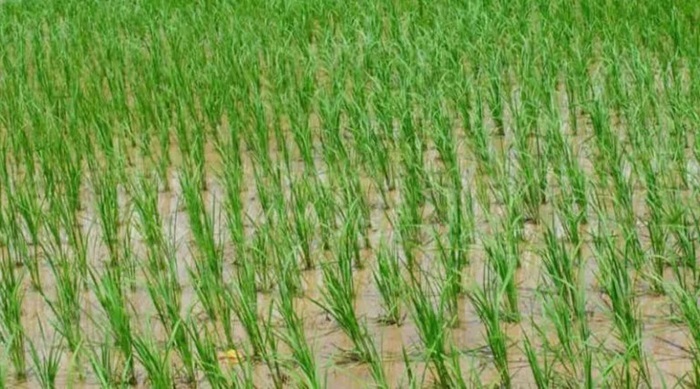
- Developed by: Bayer Bio-Science, Hyderabad
- Duration: 125–130 days
- Yield Potential: 2.5 tons per acre
- Recommended Regions: Andhra Pradesh, Karnataka, Bihar, Odisha, Madhya Pradesh, Uttar Pradesh, West Bengal, Tamil Nadu, Tripura
- Why Choose PA 6201?
Farmers who want a high-yielding and stable hybrid variety will appreciate PA 6201. It is suitable for commercial cultivation on a large scale.
10. NDRH-3 – Best for Disease Resistance
- Developed by: Narendra Dev University of Agriculture and Technology, Uttar Pradesh
- Duration: 120–125 days
- Yield Potential: 2.0 tons per acre
- Recommended Regions: Uttar Pradesh, Bihar, Jharkhand, Chhattisgarh
- Why Use NDRH-3?
The hybrid is extremely disease-resistant and thus a safe choice for farmers in disease-prone regions.
FAQs
Which hybrid paddy seed has the highest yield?
PHB-71 is among the highest yielding varieties, with yields up to 3.2 tons per acre.
Which hybrid paddy seed is best for Basmati rice?
Pusa RH-10 is the most suitable hybrid paddy variety for growing high-quality Basmati rice.
Which is the best hybrid paddy seed for early harvest?
DRRH-2 is a fast-maturing hybrid, which matures in a brief span of 112–116 days and is ideal for farmers seeking early returns.
Are hybrid paddy seeds better than traditional rice varieties?
Yes, hybrid paddy seeds are better in yield, disease resistance, and tolerance to uncertainty in climatic conditions compared to traditional varieties.
Which is the best hybrid paddy variety for more than one harvest in a year?
Sahyadri-4 is suitable for those farmers who harvest more than one crop cycle in a year.