


India’s fight for independence was long and grueling, spanning over a century and involving countless brave souls. Many individuals, from different regions and backgrounds, rose against the British Empire to secure freedom for the nation. Here is a look at the top 10 freedom fighters of India, whose contributions shaped the future of the country.
Mahatma Gandhi (1869-1948)
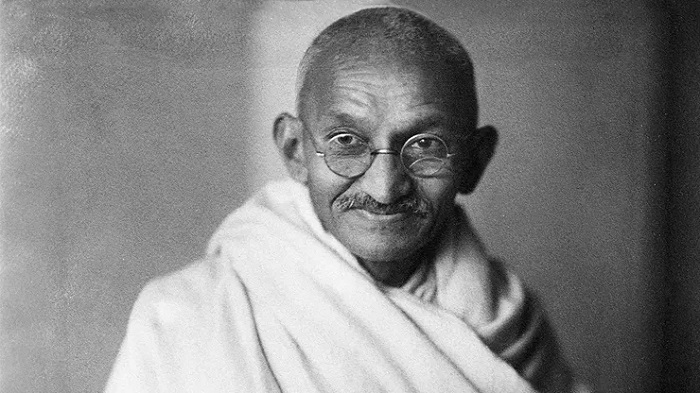
Mahatma Gandhi is universally recognized as the father of the nation and one of the most significant figures in India’s freedom struggle. He led the Indian National Congress (INC) and pioneered the principle of non-violent resistance, or Satyagraha, against the British rulers.
- Gandhi’s Dandi March in 1930, also known as the Salt Satyagraha, is one of the most iconic movements in India’s independence journey.
- His philosophy of Ahimsa (non-violence) inspired numerous global leaders and movements.
- The Quit India Movement of 1942, led by Gandhi, demanded an end to British rule in India and is considered a critical moment in the independence struggle.
Subhas Chandra Bose (1897-1945)
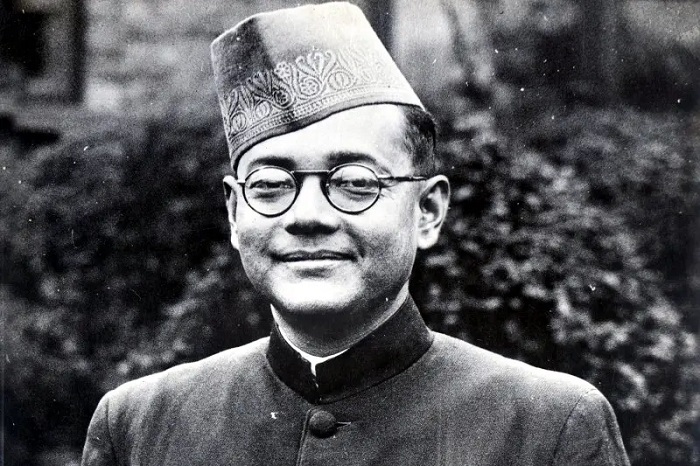
Subhas Chandra Bose, fondly remembered as Netaji, was one of the most dynamic and revolutionary leaders of India’s freedom struggle. Unlike Gandhi, Bose believed in using armed rebellion to overthrow British rule.
- He formed the Indian National Army (INA), also known as Azad Hind Fauj, to fight the British.
- His famous slogan, “Give me blood, and I will give you freedom”, remains etched in the minds of every Indian.
- Bose also sought help from Germany and Japan during World War II to liberate India.
Bhagat Singh (1907-1931)
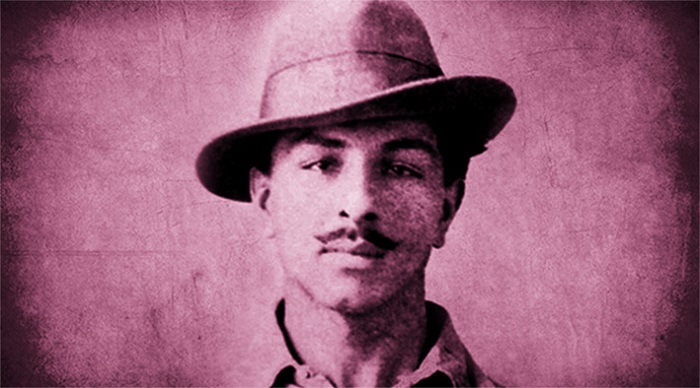
Bhagat Singh, an iconic revolutionary, is one of the most celebrated heroes of India’s independence movement. He is remembered for his courage and radical approach to British imperialism.
- Singh was involved in the killing of a British police officer in response to the death of freedom fighter Lala Lajpat Rai.
- His act of throwing bombs in the Central Legislative Assembly in 1929 was not to harm but to make the deaf British ears hear India’s voice.
- Singh, along with his comrades Rajguru and Sukhdev, was hanged at the age of 23, becoming a martyr in 1931.
Rani Lakshmi Bai (1828-1858)
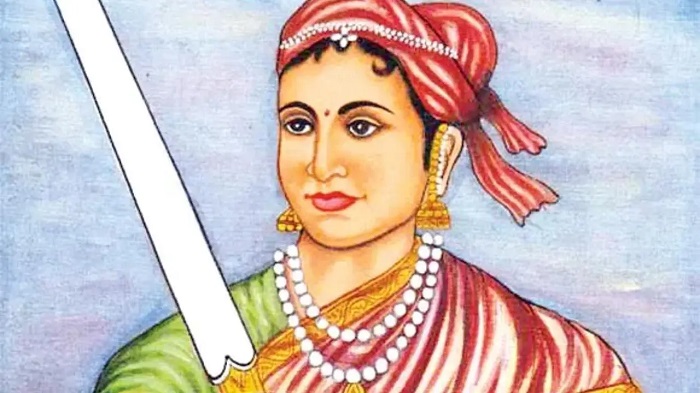
Rani Lakshmi Bai, the Queen of Jhansi, was one of the earliest and most prominent freedom fighters in India’s first war of independence in 1857. She played a pivotal role in resisting British control over her kingdom.
- Known for her indomitable spirit, Rani Lakshmi Bai led her army against the British with valor.
- She famously fought on the battlefield, sword in hand, even while carrying her child on her back.
- Her bravery and sacrifice remain a source of inspiration for generations of Indians.
Jawaharlal Nehru (1889-1964)
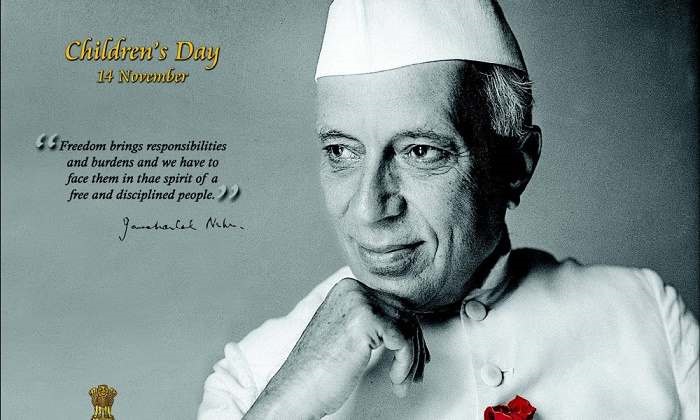
Jawaharlal Nehru was a key leader of the Indian National Congress and a close associate of Mahatma Gandhi. He became India’s first Prime Minister after independence in 1947.
- Nehru was actively involved in the Non-Cooperation Movement, Civil Disobedience Movement, and Quit India Movement.
- His vision for modern India included industrialization, secularism, and democratic socialism.
- He was also a prolific writer, and his book “The Discovery of India” is considered a seminal work on India’s history and culture.
Sardar Vallabhbhai Patel (1875-1950)
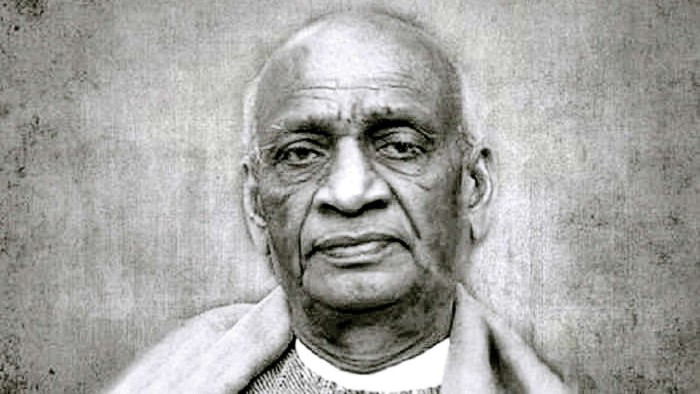
Sardar Vallabhbhai Patel, often called the Iron Man of India, was instrumental in uniting the princely states to form a cohesive India after independence.
- A staunch follower of Gandhi’s non-violent principles, Patel played a crucial role in organizing peasants for the Kheda Satyagraha and Bardoli Satyagraha against British taxes.
- Patel’s leadership in integrating the 565 princely states into the Indian Union was essential for establishing a unified nation.
- He was posthumously honored with the Bharat Ratna in 1991.
Lala Lajpat Rai (1865-1928)
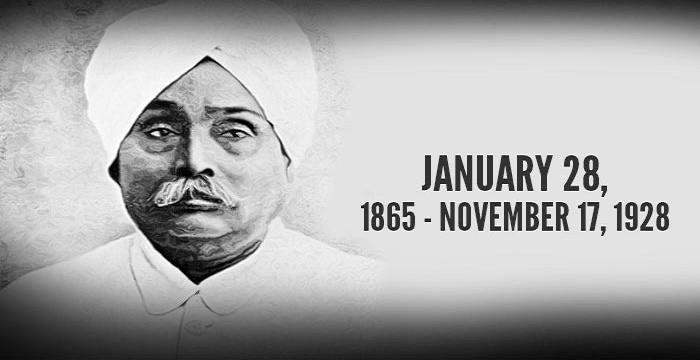
Lala Lajpat Rai, known as the Lion of Punjab, was a towering figure in the Indian freedom struggle. He was a leader of the Lal-Bal-Pal trio, which also included Bal Gangadhar Tilak and Bipin Chandra Pal.
- Lala Lajpat Rai was a passionate advocate for Swaraj (self-rule) and worked towards boycotting British goods.
- During a protest against the Simon Commission in 1928, Rai was brutally lathi-charged by British police and succumbed to his injuries later.
- His death inspired Bhagat Singh and his comrades to avenge his killing by assassinating British officer James A. Saunders.
Bal Gangadhar Tilak (1856-1920)
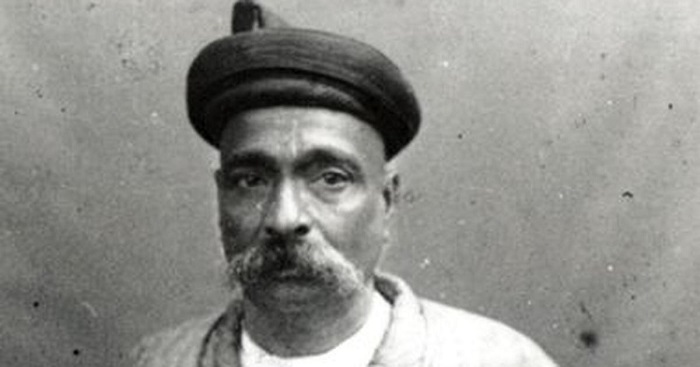
Bal Gangadhar Tilak was one of the most influential leaders of the early phase of the Indian independence movement. He is famously remembered for the slogan “Swaraj is my birthright, and I shall have it”.
- Tilak was a fervent nationalist and believed that only aggressive action could lead to freedom.
- He played a key role in the Swadeshi Movement, encouraging Indians to boycott British goods and embrace indigenous products.
- As a writer, Tilak used his newspapers Kesari and Maratha to spread nationalist ideas and inspire people to fight for independence.
Dr. B.R. Ambedkar (1891-1956)
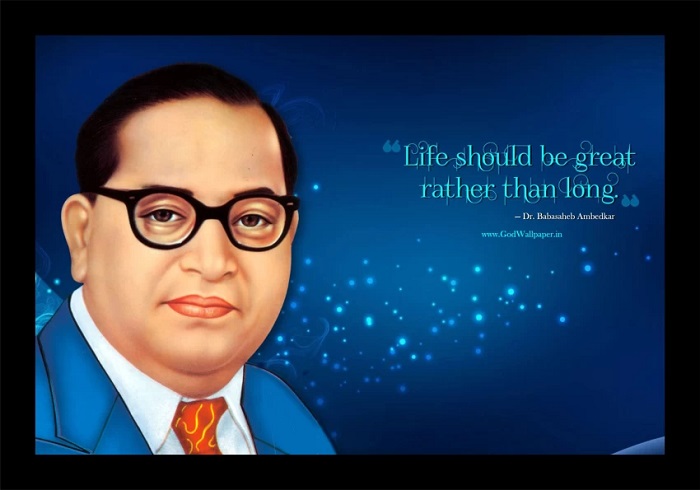
Dr. Bhimrao Ramji Ambedkar was a multifaceted leader who not only contributed to India’s freedom movement but also fought for the rights of the Dalits and marginalized sections of society.
- Ambedkar was the chief architect of the Indian Constitution and played a key role in shaping the social, political, and economic future of India.
- He was a vocal critic of British rule and led several movements, including the Mahad Satyagraha, which fought for the right of Dalits to access public water sources.
- Ambedkar’s emphasis on equality and social justice made him a significant figure in India’s post-independence nation-building process.
Mangal Pandey (1827-1857)
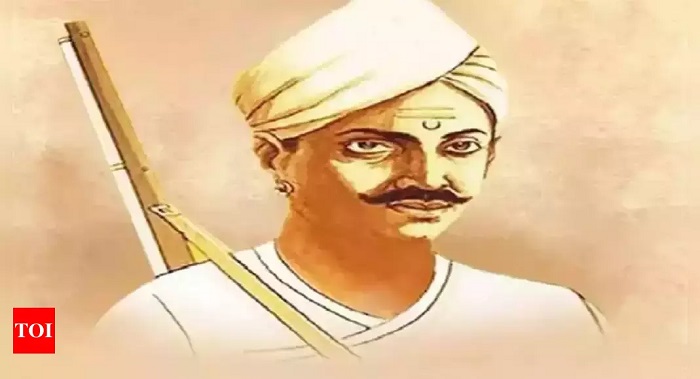
Mangal Pandey is widely considered the first freedom fighter who sparked the flames of the Indian Rebellion of 1857, also known as the First War of Independence.
- As a sepoy in the British East India Company’s army, Pandey rebelled against the use of greased cartridges, which were believed to be laced with cow and pig fat, violating Hindu and Muslim religious beliefs.
- His act of defiance and subsequent execution inspired a nationwide revolt against British rule.
- Mangal Pandey’s bravery is remembered as the beginning of India’s armed resistance against British colonialism.
Related Post:
Top 10 Web Series in the World
Top 10 Toughest Exams in India
These ten individuals played monumental roles in the freedom struggle of India, inspiring countless others to fight for the nation’s independence. Each of their contributions is a testament to their bravery, sacrifice, and unyielding determination. While many more heroes were involved in the movement, these ten figures stand out as the most impactful and revered in the history of India’s fight for freedom.