


India is home to some of the largest and most impressive dams in the world. These structures play a crucial role in irrigation, water supply, hydroelectric power generation, and flood control. In this blog post, we will explore the top 10 biggest dams in India, delving into their history, construction, specifications, and significance.
Tehri Dam
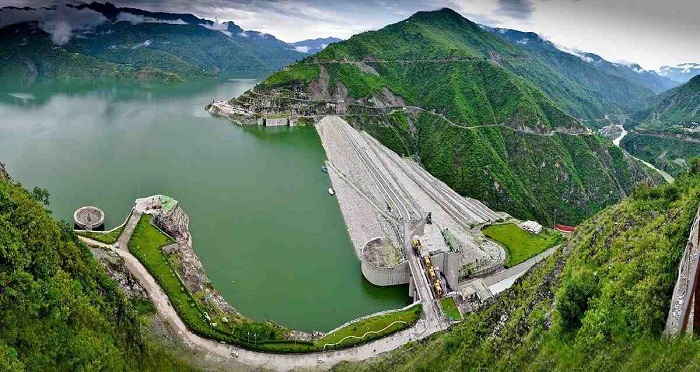
Location: Uttarakhand
River: Bhagirathi
Type: Rock and Earth-fill
Height: 260.5 meters
Length: 575 meters
Installed Capacity: 1,000 MW
Overview:
Tehri Dam, the tallest dam in India, is a marvel of modern engineering. Situated in the picturesque state of Uttarakhand, it plays a pivotal role in providing hydroelectric power, irrigation, and drinking water to the surrounding regions. The dam’s reservoir, known as the Tehri Lake, is a popular tourist destination, offering a range of water sports and scenic views.
Significance:
Tehri Dam is critical for the region’s water management, providing irrigation to 2,700 square kilometers of land and supplying 270 million gallons of drinking water daily to the National Capital Territory of Delhi, Uttarakhand, and Uttar Pradesh.
Bhakra Nangal Dam

Location: Himachal Pradesh and Punjab
River: Sutlej
Type: Concrete Gravity
Height: 226 meters
Length: 520 meters
Installed Capacity: 1,325 MW
Overview:
Bhakra Nangal Dam is one of the earliest river valley development projects undertaken by India post-independence. This iconic dam is not only an engineering marvel but also a symbol of India’s self-reliance in infrastructure development.
Significance:
The dam has a reservoir, Gobind Sagar, which provides water for irrigation to the states of Punjab, Haryana, and Rajasthan. It also generates hydroelectric power and helps in flood control.
Sardar Sarovar Dam
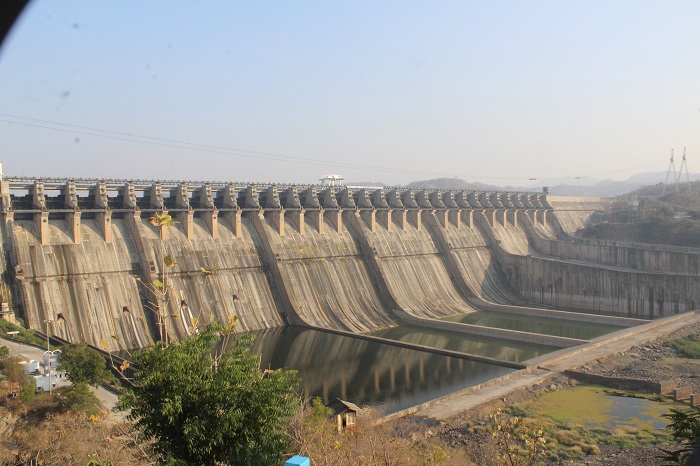
Location: Gujarat
River: Narmada
Type: Concrete Gravity
Height: 163 meters
Length: 1,210 meters
Installed Capacity: 1,450 MW
Overview:
The Sardar Sarovar Dam is a part of the Narmada Valley Project, one of the largest water resource projects in India. It aims to provide water for irrigation, drinking, and industrial use to the arid regions of Gujarat and Rajasthan.
Significance:
The dam is crucial for providing drinking water to over 40 million people and irrigation to 1.8 million hectares of land. It also generates hydroelectric power and supports multiple industries in the region.
Hirakud Dam
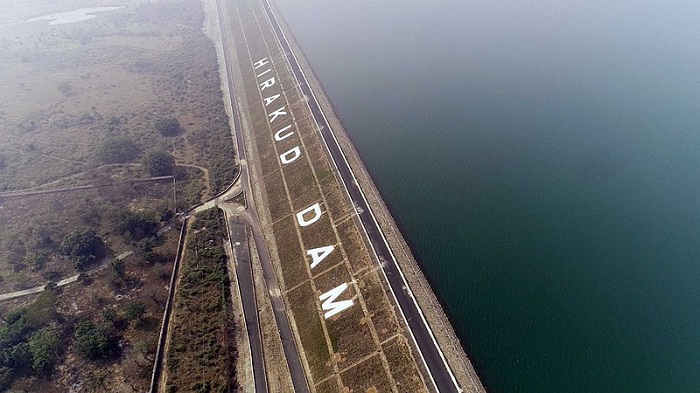
Location: Odisha
River: Mahanadi
Type: Earth, Concrete, and Masonry
Height: 61 meters
Length: 4,800 meters
Installed Capacity: 307.5 MW
Overview:
Hirakud Dam is one of the longest dams in the world. It was the first major multipurpose river valley project started after India’s independence and remains a vital source of irrigation, hydroelectric power, and flood control in eastern India.
Significance:
The dam helps irrigate 267,000 hectares of land and generates significant hydroelectric power. Hirakud Reservoir also provides a habitat for a variety of wildlife and is a popular destination for birdwatching and tourism.
Nagarjuna Sagar Dam
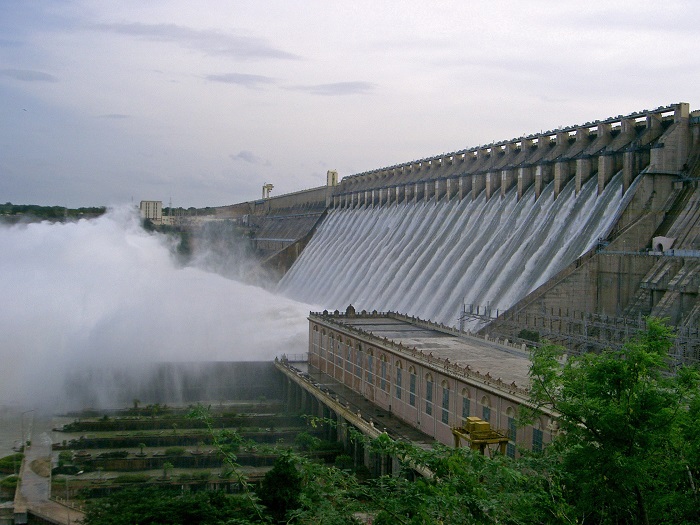
Location: Telangana
River: Krishna
Type: Masonry
Height: 124 meters
Length: 1,450 meters
Installed Capacity: 816 MW
Overview:
Nagarjuna Sagar Dam is one of the world’s largest and tallest masonry dams. Named after the Buddhist monk Nagarjuna, the dam plays a crucial role in irrigation and power generation in the southern part of India.
Significance:
The dam creates one of the largest man-made lakes in the world and provides irrigation to over 1.2 million hectares of land. It also generates hydroelectric power and supports local agriculture and industry.
Indira Sagar Dam
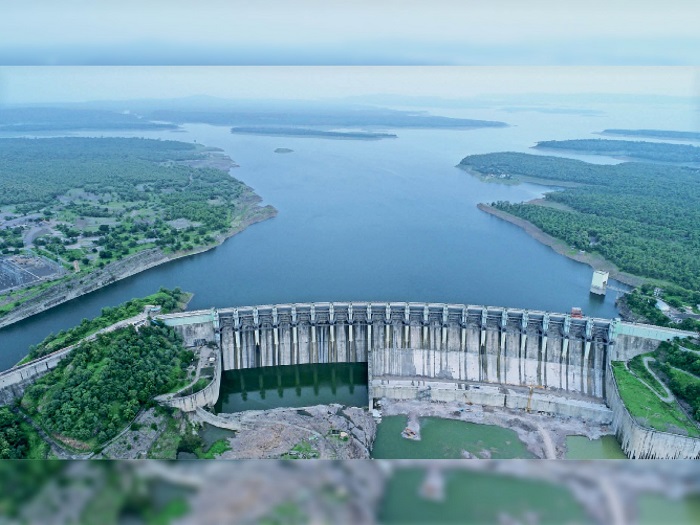
Location: Madhya Pradesh
River: Narmada
Type: Concrete Gravity
Height: 92 meters
Length: 653 meters
Installed Capacity: 1,000 MW
Overview:
Indira Sagar Dam, named after former Prime Minister Indira Gandhi, is an essential component of the Narmada Valley Development Project. It serves multiple purposes, including irrigation, water supply, and hydroelectric power generation.
Significance:
The dam’s reservoir, with a capacity of 12.22 billion cubic meters, is the largest in India. It provides irrigation to 1.23 million hectares of land and generates substantial hydroelectric power, making it a key asset for the state of Madhya Pradesh.
Rihand Dam
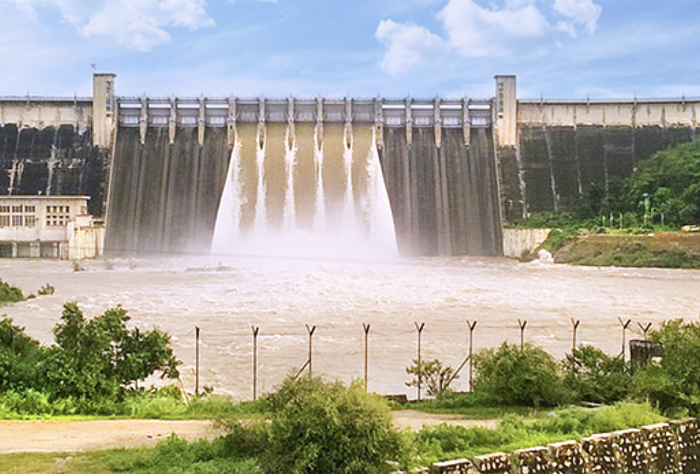
Location: Uttar Pradesh
River: Rihand
Type: Concrete Gravity
Height: 91.44 meters
Length: 934 meters
Installed Capacity: 300 MW
Overview:
Rihand Dam, also known as Govind Ballabh Pant Sagar, is the largest dam in terms of volume and capacity in Uttar Pradesh. It plays a vital role in irrigation and power generation in the region.
Significance:
The dam provides irrigation to over 1 million hectares of land and supports several thermal power plants in the vicinity. Its reservoir is also used for fishing and tourism.
Tungabhadra Dam
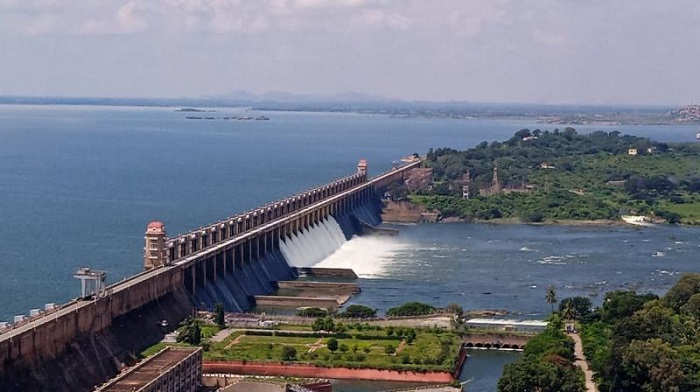
Location: Karnataka
River: Tungabhadra
Type: Composite (Earthen and Masonry)
Height: 49.39 meters
Length: 2,441 meters
Installed Capacity: 72 MW
Overview:
Tungabhadra Dam is a multipurpose dam built across the Tungabhadra River. It is an important source of irrigation, hydroelectric power, and water supply for the state of Karnataka.
Significance:
The dam provides irrigation to over 1.6 million acres of land and supports the generation of hydroelectric power. It also supplies water to several towns and cities in Karnataka and Andhra Pradesh.
Bhavanisagar Dam
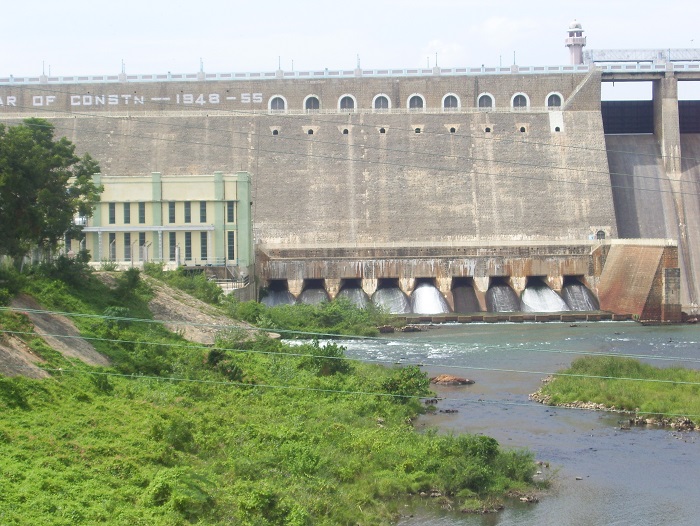
Location: Tamil Nadu
River: Bhavani
Type: Earthen
Height: 40 meters
Length: 8,370 meters
Installed Capacity: 32 MW
Overview:
Bhavanisagar Dam, also known as Lower Bhavani Dam, is one of the largest earthen dams in the world. It plays a significant role in irrigation and water supply in Tamil Nadu.
Significance:
The dam provides irrigation to over 2 lakh hectares of land and is a major source of drinking water for the surrounding regions. Its reservoir also supports fisheries and recreational activities.
Mettur Dam
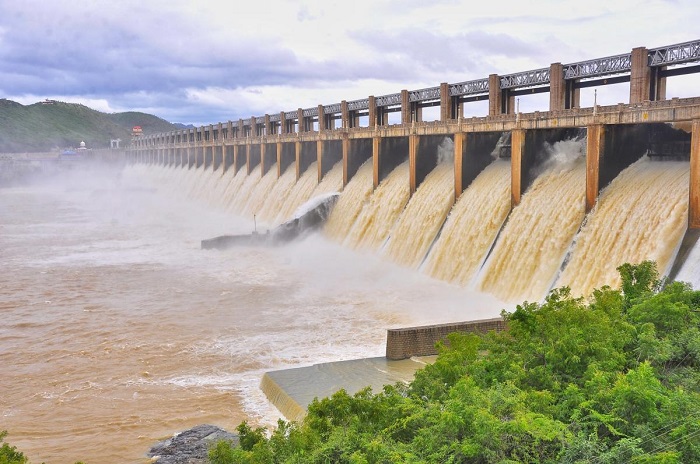
Location: Tamil Nadu
River: Kaveri
Type: Concrete and Gravity
Height: 65.2 meters
Length: 1,700 meters
Installed Capacity: 200 MW
Overview:
Mettur Dam, also known as Stanley Reservoir, is one of the oldest and most significant dams in Tamil Nadu. It plays a vital role in irrigation, hydroelectric power generation, and water supply.
Significance:
The dam provides irrigation to over 2.7 lakh hectares of land and supports hydroelectric power generation. It also supplies drinking water to several towns and cities in Tamil Nadu and is a popular tourist destination.
Related Post:
Top 10 Toughest Exams in India: All You Need to Know
Top 10 Scientists in the World: Pioneers of Innovation and Discovery
Top 10 Romantic Web Series: A Guide to Love on the Small Screen
India’s dams are a testament to the country’s engineering prowess and its commitment to sustainable development. These structures provide essential services, including irrigation, hydroelectric power, flood control, and water supply, contributing significantly to the nation’s economy and well-being. The top 10 biggest dams in India, each with its unique features and significance, highlight the diverse ways in which these monumental structures benefit the country. From the towering Tehri Dam in Uttarakhand to the extensive Bhavanisagar Dam in Tamil Nadu, these dams showcase India’s ability to harness the power of its rivers for the greater good.