


The world is a place full of wonder, mystery, and fascinating truths. Whether it’s the natural beauty of Earth or the incredible feats of human achievement, there’s always something astonishing waiting to be discovered. In this article, we dive into the top 10 amazing facts of the world that will leave you in awe.
The Amazon Rainforest Produces 20% of the Earth’s Oxygen
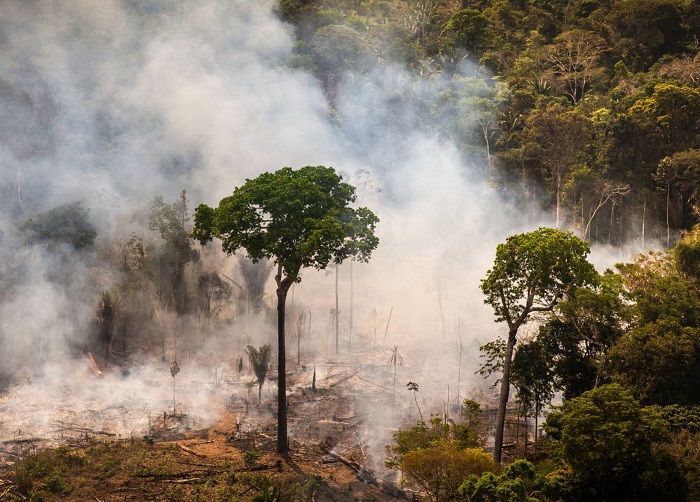
The Amazon Rainforest, often referred to as the “lungs of the Earth,” plays a critical role in maintaining the balance of the planet’s atmosphere. Covering over 5.5 million square kilometers, the Amazon is responsible for producing approximately 20% of the world’s oxygen through photosynthesis. This lush, green paradise not only supports a vast number of species but also acts as a vital carbon sink, helping to mitigate the effects of global warming.
Mount Everest Is Not the Tallest Mountain in the World (Technically)

When people think of the tallest mountain on Earth, Mount Everest usually comes to mind. Standing at 29,032 feet (8,848 meters) above sea level, it’s the highest point on Earth. However, if we measure from the base to the summit, Mauna Kea in Hawaii takes the title. While its peak is 13,796 feet above sea level, it extends more than 33,500 feet from its base at the ocean floor, making it taller than Everest.
Antarctica is the Largest Desert in the World

When we think of deserts, images of vast, hot sand dunes typically come to mind. However, the largest desert on Earth is actually Antarctica. This icy continent covers about 5.5 million square miles (14 million square kilometers), and because it receives less than 2 inches of precipitation annually, it qualifies as a desert. Despite the freezing temperatures, the dry conditions make it one of the most extreme environments on the planet.
There Are More Stars in the Universe Than Grains of Sand on All the World’s Beaches
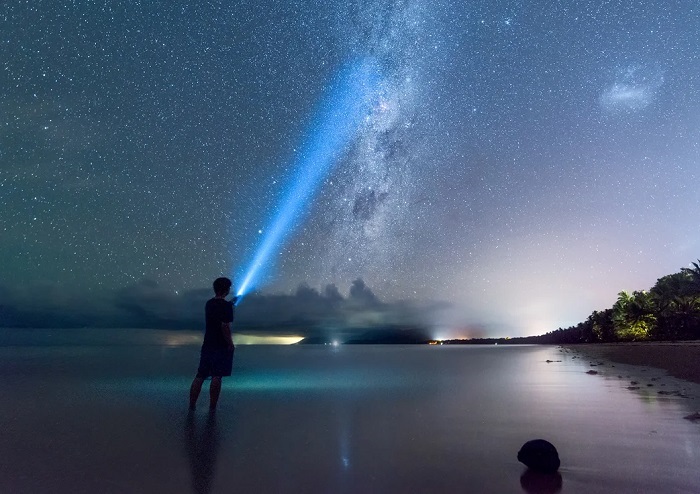
The sheer size of the universe is mind-boggling. Scientists estimate that there are over 100 billion galaxies, and each one contains millions to billions of stars. When you compare this to the number of grains of sand on all of Earth’s beaches, the stars vastly outnumber them. This fact highlights the immense scale of the cosmos and how much of it remains undiscovered.
Lightning Strikes Earth 100 Times Every Second
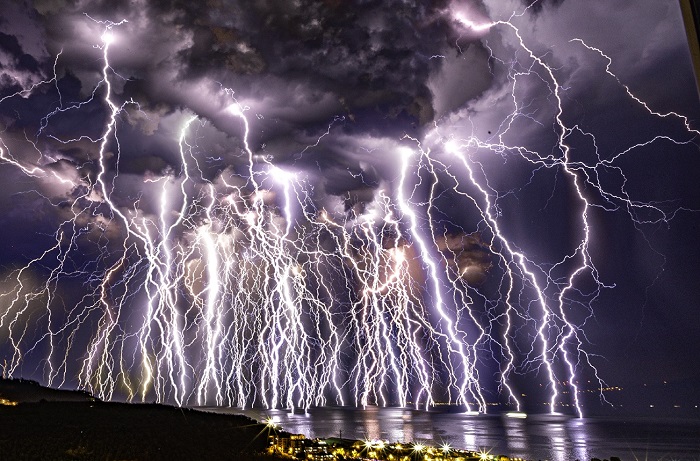
Lightning is one of nature’s most powerful forces, and it’s more common than you might think. On average, lightning strikes the Earth about 100 times every second. That’s roughly 8.6 million times per day! These electric bolts can travel at speeds of up to 220,000 kilometers per hour and reach temperatures of around 30,000 Kelvin—five times hotter than the surface of the sun.
Bananas Are Berries, But Strawberries Aren’t

Botanically speaking, many fruits that we casually categorize aren’t what they seem. For instance, bananas are technically classified as berries, while strawberries are not. This is because a “berry” is defined as a fruit that develops from a single ovary and has multiple seeds inside. Strawberries, on the other hand, develop from multiple ovaries and are considered an aggregate fruit.
Humans Share 60% of Their DNA with Bananas

It might seem unbelievable, but humans and bananas have a surprising amount in common at the genetic level. We share about 60% of our DNA with bananas. While this doesn’t mean we’re closely related, it does highlight the fundamental biological similarities between all living organisms, illustrating the interconnectedness of life on Earth.
The Dead Sea is So Salty, You Can Float Without Trying

The Dead Sea, located between Jordan and Israel, is one of the saltiest bodies of water on Earth. With a salt concentration of about 34%, it’s almost ten times saltier than the ocean. This high salinity makes it incredibly buoyant, allowing people to float effortlessly on its surface. The mineral-rich water is also said to have therapeutic properties, attracting visitors from around the world for both relaxation and health benefits.
The Sahara Desert Used to Be a Lush, Green Oasis

Today, the Sahara Desert is a vast expanse of sand and rock, but it wasn’t always this way. Around 10,000 years ago, the region was lush, green, and full of life, with rivers, lakes, and abundant vegetation. This period, known as the African Humid Period, was caused by shifts in Earth’s orbit and axial tilt, which affected the distribution of rainfall. Over time, the region became drier, eventually transforming into the desert we know today.
Honey Never Spoils

Honey is one of the few natural substances that can last indefinitely if stored properly. Archaeologists have even discovered pots of honey in ancient Egyptian tombs that are over 3,000 years old—and still perfectly edible! This longevity is due to honey’s low moisture content and high acidity, which create an inhospitable environment for bacteria and other microorganisms. As a result, honey is a natural preservative and a symbol of purity and durability.
Related Post:
Top 10 Remix Songs MP3 Download
The world is filled with extraordinary facts that continue to captivate and surprise us. From the oxygen-producing Amazon rainforest to the ancient, spoil-proof nature of honey, these amazing facts remind us of the complexity and beauty of our planet. As we continue to explore and understand more about the world, there’s no doubt that we’ll uncover even more wonders that deepen our appreciation for the Earth and its many marvels. Whether it’s the vastness of space or the intricate workings of life on Earth, these ten facts offer a glimpse into the magic that surrounds us every day.