

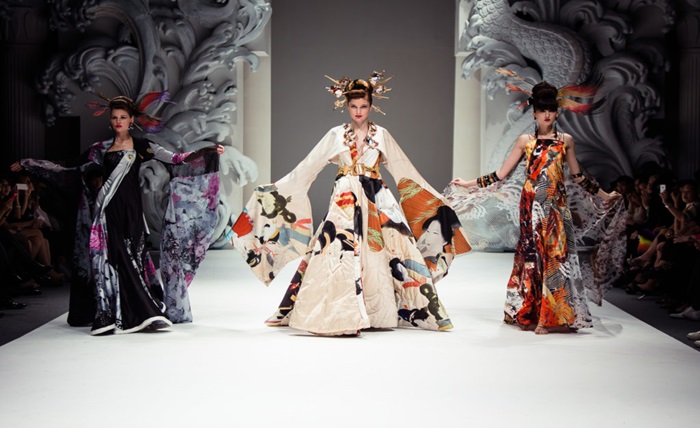
In an industry often dictated by “the more, the better,” Japan’s fashion stands out with its touch of minimalism. It’s the belief that a simple cut or color speaks volumes. The aesthetic is a philosophy rooted in the country’s history and culture.
It’s about the power of subtraction, where what isn’t there holds as much importance as what is. Speaking of appreciating the finer things in life, take this chance to use your andar bahar game play online account. Here, a variety of your favorite games are at the tip of your fingertips!
The Zen of Fashion
Minimalism in a cultural context can trace its origins to traditional Zen Buddhism. This religion emphasizes simplicity, which is seen in garments like the kimono. A single piece of cloth can have many iconic silhouettes. It’s less about ornamentation and more about form and function harmoniously blending into one.
Wabi-Sabi: The Beauty of Imperfection
An integral part of minimalism is the concept of wabi-sabi, the appreciation of the beauty in imperfection. This idea spills over into fashion in the form of asymmetric cuts, subdued colors, and often a deliberate roughness or rawness to textures. It’s unforced, intuitive, and personal.
International Echoes
This philosophy has swept the corridors of the world’s capitals, influencing many iconic designers. Figures like Rei Kawakubo of Comme des Garçons and Yohji Yamamoto have redefined what this style means on a global scale.
Thanks to their deconstructed garments and monochromatic color palettes, they show that there’s a different kind of drama in this artform.
The Language of Simplicity
Every line, fabric and stitch tells a story. There’s a dialogue between the garment and the wearer, where the space between speaks as much as the fabric itself. This has taught us that clothes don’t have to be over-the-top to be powerful. A well-draped black dress or a tailored white shirt has the ability to stop traffic. It’s the art of conveying a lot with little.
Sustainability
Today, as the industry grapples with its impact on the planet, this lifestyle offers a path to sustainability. The approach aligns with the need for durable, timeless pieces that last the wearer a long time.
It’s about investing in quality over quantity and in pieces that outlast trends. It respects the resources it takes from the Earth and echoes the mantra of cherishing what you have.
A Cultural Crossover
This ethos is reshaping attitudes. Artists from the West often seek inspiration from outside of their heritage. They aim to capture the essence of Shibuya’s sleek streetwear and the timeless elegance found in the streets of Ginza.
In return, Japanese talent also draws from global influences. Advanced fabrics and cutting-edge techniques also blend classic minimalism with futuristic touches.
Wrapping Up
Designers continue to pare back, to edit, and to refine. They’re crafting looks that are clean, understated, and yet impactful. It’s a return to basics, to the raw beauty of simplicity. It’s fashion that’s lived in. And sometimes the most powerful statement is a whisper, not a shout.