

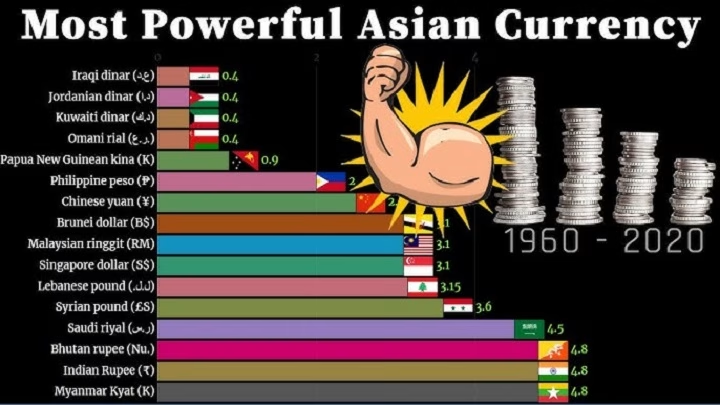
Asia, being the largest and most populous continent, is home to some of the most important and powerful economies in the world. With its diverse economies and growing financial influence, understanding the top currencies in Asia is crucial for anyone involved in global trade, investments, and financial markets. In this article, we will list the top 10 currencies in Asia based on their strength, influence, and usage across the region and beyond.
Japanese Yen (JPY)
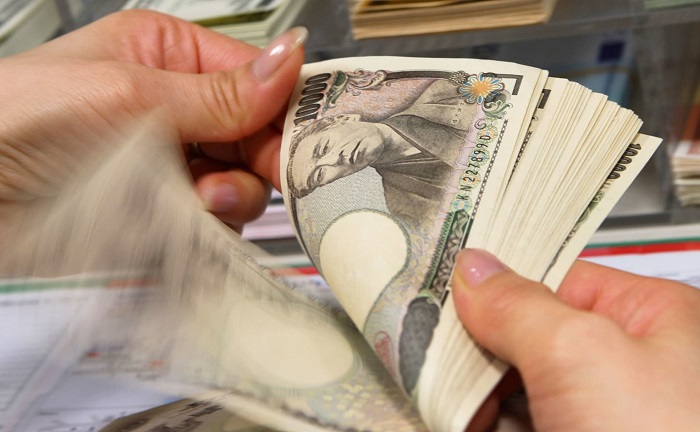
The Japanese Yen (JPY) is the official currency of Japan and is one of the most traded currencies in the world. The Yen is often regarded as a safe-haven currency due to Japan’s stable economy and political environment. Investors turn to the Yen during periods of uncertainty, making it a key player in international markets. Japan’s strong export-driven economy, especially in sectors like technology, automotive, and consumer electronics, contributes significantly to the global demand for the Yen.
Chinese Yuan Renminbi (CNY)
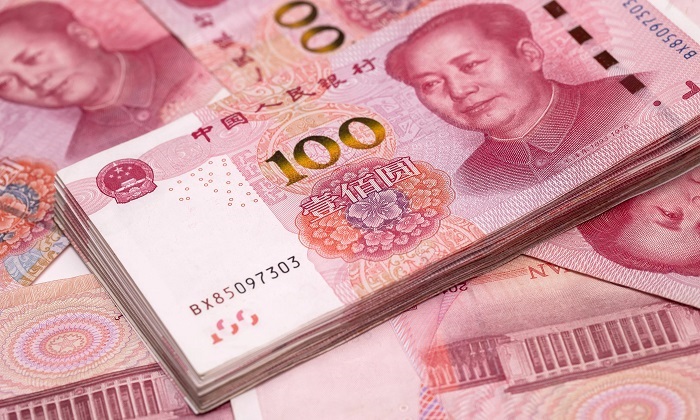
The Chinese Yuan Renminbi (CNY) is the official currency of the People’s Republic of China. As the second-largest economy globally, China’s influence is reflected in the rising importance of its currency. In recent years, the Yuan has been increasingly used in international trade and finance, particularly with China’s Belt and Road Initiative and its massive global trade partnerships. The Yuan’s growing significance in Asia and beyond marks it as one of the most vital currencies in the region.
Indian Rupee (INR)
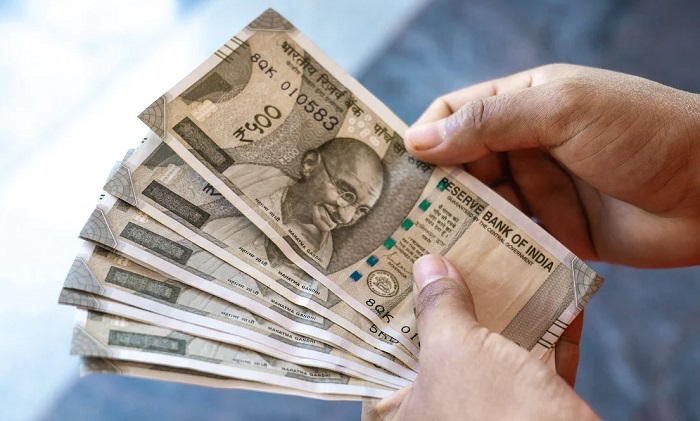
The Indian Rupee (INR) is the official currency of India, the world’s most populous democracy and a rapidly growing economy. India’s robust economic growth, driven by its large services and technology sectors, gives the Rupee considerable weight in Asia. The Rupee’s importance extends beyond its borders, particularly due to India’s increasing role in global IT services, pharmaceuticals, and agriculture. Additionally, India’s emerging middle class continues to drive internal demand, further boosting the Rupee’s relevance.
South Korean Won (KRW)
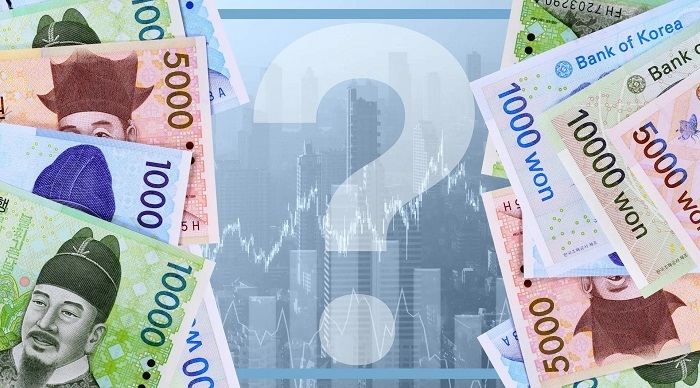
The South Korean Won (KRW) is the official currency of South Korea, one of Asia’s most advanced and technologically sophisticated economies. South Korea is home to several global giants in industries such as electronics, automotive, and shipbuilding. The Won is often seen as a barometer of South Korea’s economic health, and its performance is closely tied to the country’s export-driven economy. Due to South Korea’s pivotal role in global trade, the Won is a major currency in Asia.
Singapore Dollar (SGD)
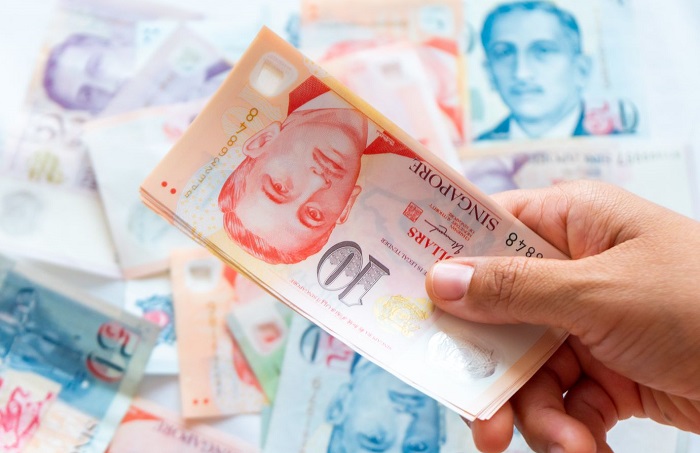
The Singapore Dollar (SGD) is the official currency of Singapore, a small yet highly influential financial hub in Southeast Asia. Known for its stability and strong financial system, Singapore plays a critical role in global finance and trade. The Singapore Dollar is widely used in international financial transactions and is considered one of the safest currencies in Asia. Singapore’s strategic location as a gateway between Asia and the West further enhances the importance of its currency.
Hong Kong Dollar (HKD)
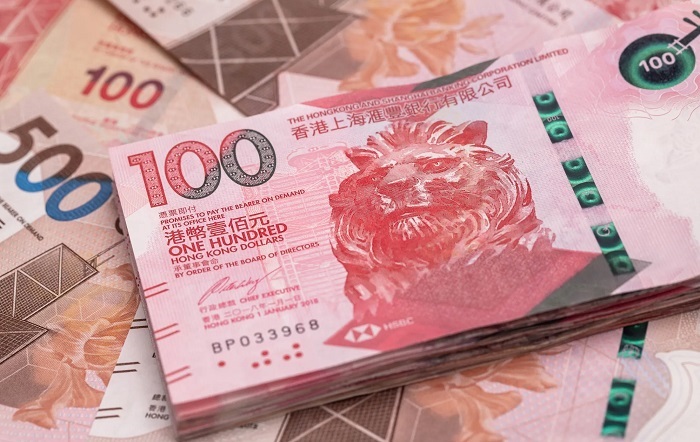
The Hong Kong Dollar (HKD) is the official currency of Hong Kong, a Special Administrative Region (SAR) of China. As one of the world’s leading financial centers, Hong Kong’s currency plays a vital role in international trade and finance. The Hong Kong Dollar is pegged to the US Dollar, providing stability and confidence for investors. With Hong Kong serving as a major gateway for foreign investment into China, the Hong Kong Dollar remains a crucial currency in Asia.
Malaysian Ringgit (MYR)
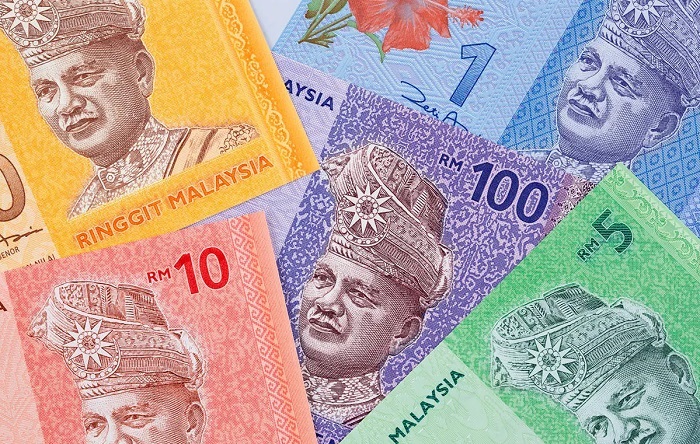
The Malaysian Ringgit (MYR) is the official currency of Malaysia, a rapidly developing economy in Southeast Asia. Malaysia’s diversified economy, which includes strong sectors such as manufacturing, palm oil, and petroleum, contributes to the importance of the Ringgit. The Malaysian government’s efforts to promote the Ringgit in international markets have also increased its significance within Asia. As Malaysia continues to grow as an economic player in the region, the Ringgit’s role in trade and investment will likely expand.
Thai Baht (THB)
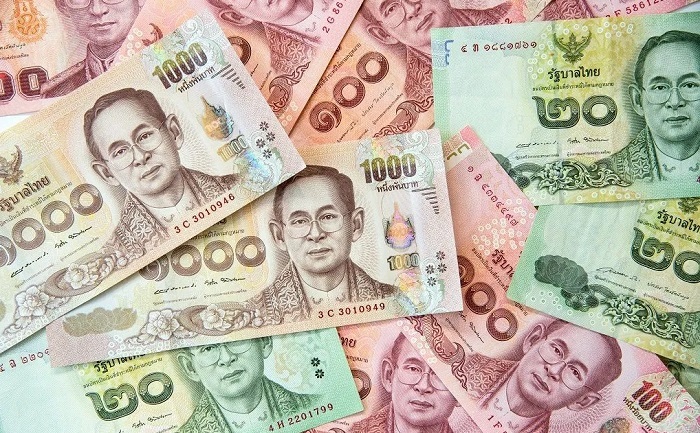
The Thai Baht (THB) is the official currency of Thailand, a major tourism and export-oriented economy in Southeast Asia. Thailand’s strong industries in agriculture, electronics, and tourism make the Baht an important currency in the region. The Baht is also widely traded in global forex markets, and Thailand’s economic stability has made its currency a reliable choice for investors and traders. With Thailand being a key destination for international tourism, the Baht holds a prominent position among Asian currencies.
Indonesian Rupiah (IDR)
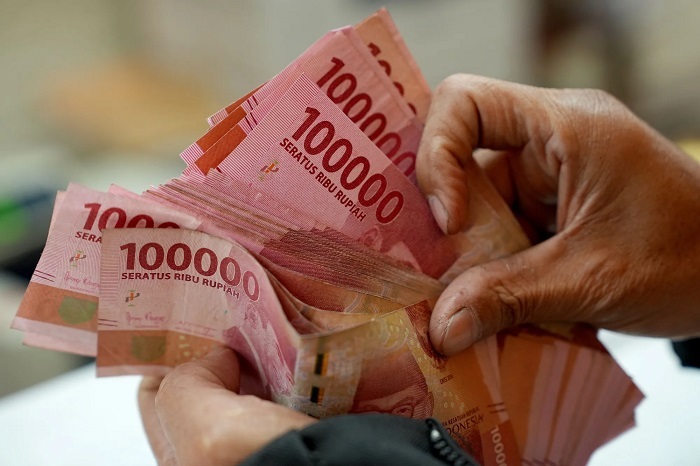
The Indonesian Rupiah (IDR) is the official currency of Indonesia, the largest economy in Southeast Asia. Indonesia is rich in natural resources, including oil, gas, and minerals, and its growing manufacturing sector adds to its economic strength. The Rupiah is gaining prominence as Indonesia continues to modernize its economy and expand its global trade partnerships. While the Rupiah has faced volatility in the past, Indonesia’s steady economic growth ensures that its currency will remain an important player in Asia.
Philippine Peso (PHP)
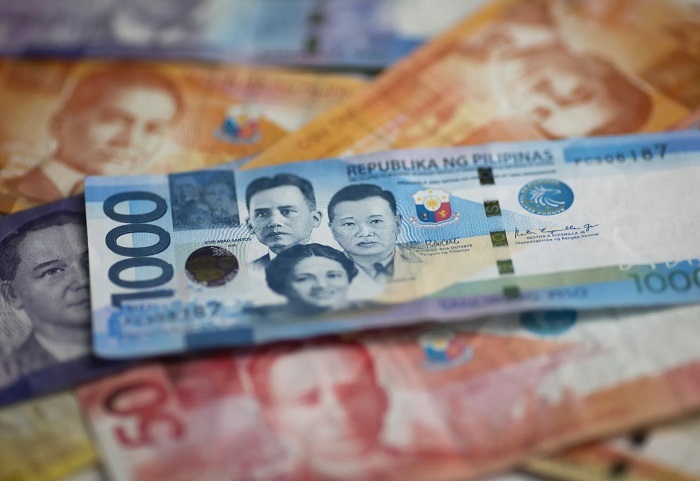
The Philippine Peso (PHP) is the official currency of the Philippines, a fast-growing economy in Southeast Asia. The Philippines’ expanding business process outsourcing (BPO) sector, as well as its large overseas workforce, contribute significantly to the demand for the Peso. Remittances from overseas Filipino workers (OFWs) are a major source of foreign exchange, further boosting the currency’s importance. With the Philippines emerging as a key player in the BPO industry, the Peso is becoming increasingly relevant in Asian financial markets.
Related Post:
Top 10 Highest Grossing Movies in India
Top 10 Places to Visit in Manali
Top 10 Defence Stocks in India
Asia’s top 10 currencies reflect the diversity and strength of the continent’s economies. From Japan’s technologically advanced economy and China’s rising global influence to Southeast Asia’s fast-growing markets, these currencies play a crucial role in shaping the global financial landscape. Understanding these currencies is essential for anyone involved in international trade, investments, or economic forecasting. As Asia continues to grow in importance, the influence of these currencies will only increase, making them key players in the future of global finance.