


India, a land rich in history, culture, and spirituality, is home to some of the world’s most magnificent temples. These sacred places of worship are not just architectural wonders but are also the epitome of devotion, tradition, and ancient customs. From the snowy peaks of the Himalayas to the serene shores of the south, India’s temples offer a glimpse into the country’s profound religious diversity and its centuries-old traditions. This article delves into the top 10 temples in India, which are not only revered for their religious significance but also stand as grand symbols of India’s cultural heritage.
Sri Venkateswara Temple, Tirumala
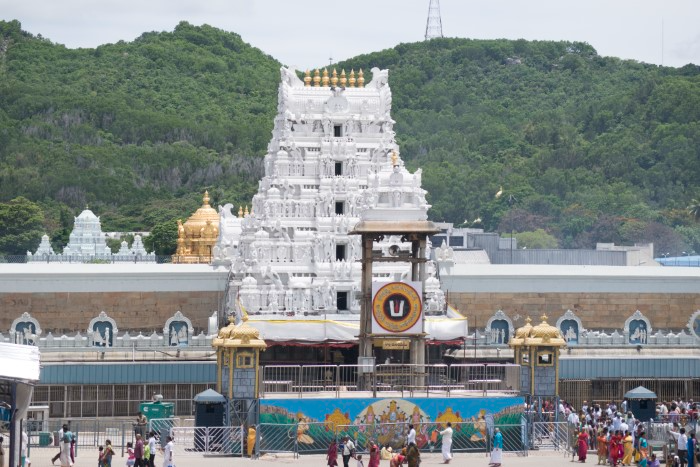
The Sri Venkateswara Temple in Tirumala, Andhra Pradesh, is one of the richest and most visited temples in the world. Dedicated to Lord Venkateswara, an incarnation of Lord Vishnu, this temple is situated on the Tirumala hills. It attracts millions of pilgrims every year. The temple is famous for its gold-covered dome and its pristine location amidst scenic hills. The temple’s rituals, including the offering of hair by devotees, are integral to the cultural practices surrounding it.
Why Visit:
- Rich history and divine significance.
- Beautiful hilltop location.
- A significant pilgrimage site for Hindus.
Kashi Vishwanath Temple, Varanasi
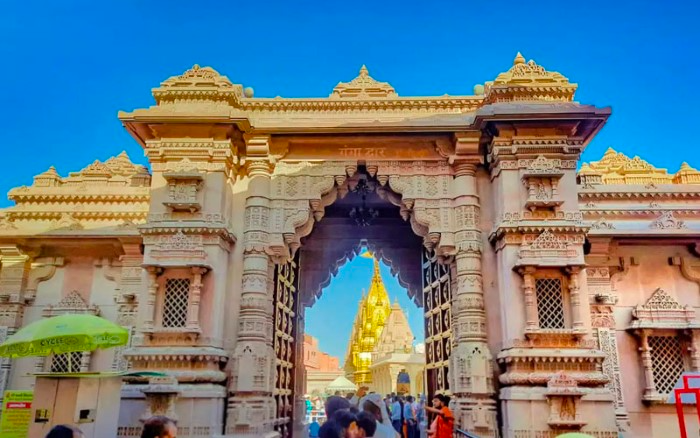
Located on the banks of the Ganges River, the Kashi Vishwanath Temple in Varanasi, Uttar Pradesh, is one of the most ancient and revered temples in India. Dedicated to Lord Shiva, this temple holds immense spiritual significance. Varanasi, known as the city of temples, is often considered the ultimate place to attain moksha (liberation from the cycle of life and death).
Why Visit:
- One of the most important temples for devotees of Lord Shiva.
- Offers an experience of spirituality on the banks of the sacred Ganges.
- Ancient architectural beauty.
Golden Temple, Amritsar
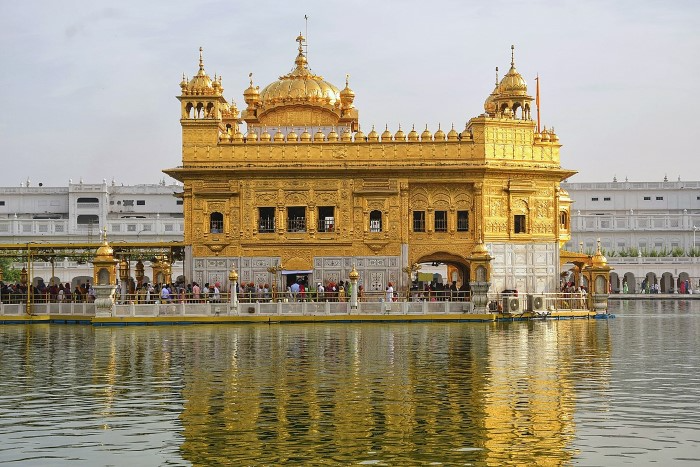
The Golden Temple, also known as Sri Harmandir Sahib, is the holiest shrine of the Sikh religion. Located in Amritsar, Punjab, this temple is not only a spiritual hub but also an architectural marvel. The golden dome of the temple, set amidst a serene pool, is a sight to behold. The Langar (free community kitchen) serves millions of people daily, reflecting the core values of Sikhism—seva (service) and equality.
Why Visit:
- Spiritual significance for Sikhs.
- A stunning example of Mughal and Sikh architecture.
- Known for its hospitality and community service.
Jagannath Temple, Puri
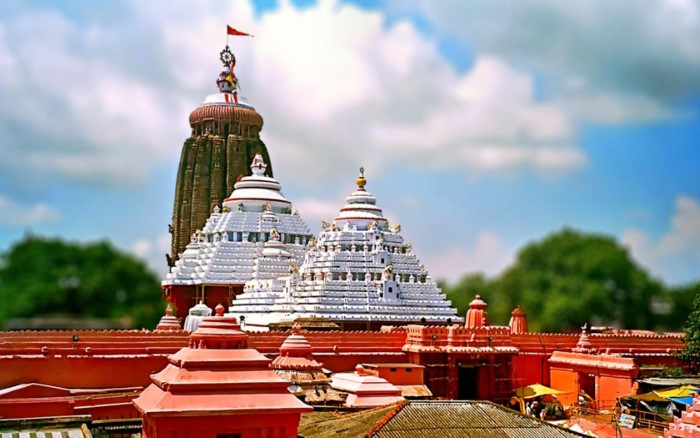
The Jagannath Temple in Puri, Odisha, is another one of the most famous temples in India. Dedicated to Lord Jagannath, an incarnation of Lord Vishnu, this temple is well-known for the Rath Yatra (chariot procession), which attracts millions of devotees every year. The temple’s distinct architecture and the holy city of Puri make it a must-visit pilgrimage site.
Why Visit:
- Famous for the Rath Yatra festival.
- Historic and religious importance.
- A key site for Hindus across India.
Meenakshi Temple, Madurai

Located in Madurai, Tamil Nadu, the Meenakshi Amman Temple is one of the most iconic temples in India, dedicated to Goddess Meenakshi, an avatar of Parvati, and her consort, Lord Sundareswarar (Shiva). The temple’s stunning architecture, vibrant colorful sculptures, and the grandeur of its towering gopurams (gateway towers) make it a sight to behold. The Chidambaram and Kanchipuram temples in Tamil Nadu are also part of the ancient religious circuit.
Why Visit:
- Famous for its intricate carvings and architecture.
- One of the most significant temples in South India.
- Hosts vibrant festivals, including Meenakshi Tirukalyanam.
Somnath Temple, Saurashtra
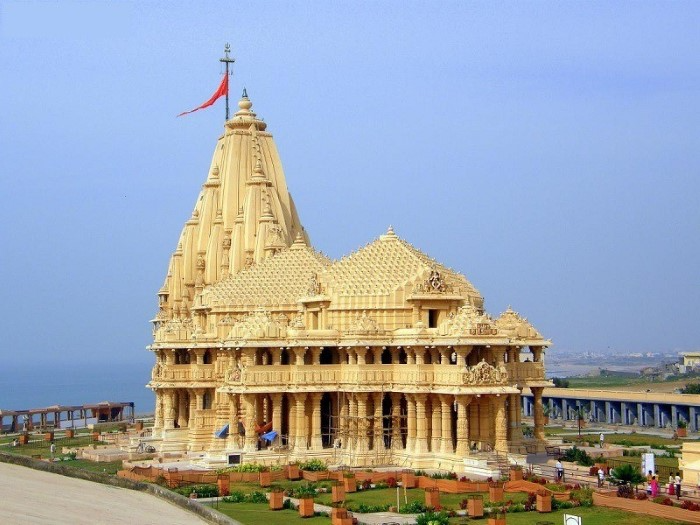
The Somnath Temple, located in Saurashtra, Gujarat, is one of the twelve Jyotirlingas of Lord Shiva. The temple has a significant historical legacy, with its structures having been destroyed and rebuilt multiple times over the centuries. The current temple, with its magnificent architecture, stands as a symbol of resilience. It is also located along the Arabian Sea coast, offering a beautiful view of the sea.
Why Visit:
- One of the Jyotirlingas of Lord Shiva.
- Historical significance and resilience.
- Scenic coastal location.
Badrinath Temple, Uttarakhand
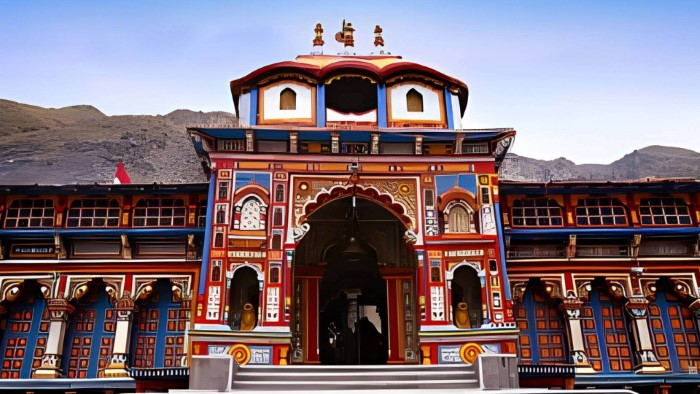
Nestled in the Himalayas, the Badrinath Temple is one of the most revered Hindu shrines, dedicated to Lord Vishnu. Located in the state of Uttarakhand, the temple sits at an altitude of 3,133 meters above sea level and is part of the Char Dham Yatra (the four sacred pilgrimages). The pristine landscapes surrounding the temple add to its spiritual charm.
Why Visit:
- Spiritual significance as part of Char Dham Yatra.
- A high-altitude, serene location.
- A key destination for pilgrims seeking blessings from Lord Vishnu.
Dakshineswar Kali Temple, Kolkata
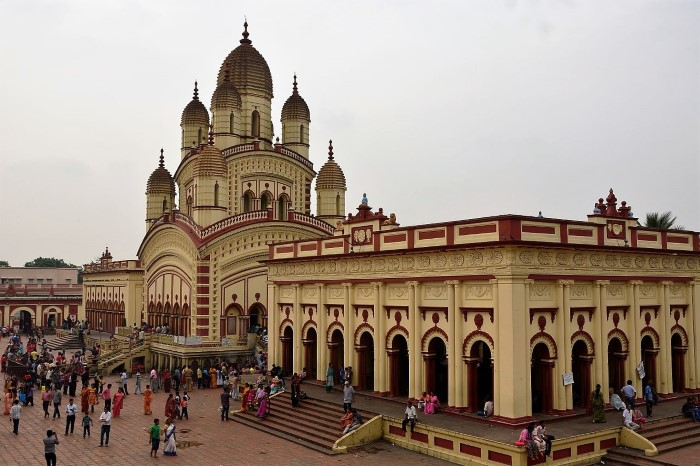
Located on the banks of the Hooghly River in Kolkata, West Bengal, the Dakshineswar Kali Temple is dedicated to Goddess Kali. The temple holds great significance due to its association with Sri Ramakrishna Paramahamsa, one of the greatest saints of India, who meditated here. The temple’s architectural style is a blend of Hindu and Bengali elements.
Why Visit:
- Association with Sri Ramakrishna Paramahamsa.
- Beautiful riverside location.
- A place for deep spiritual practice.
Virupaksha Temple, Hampi
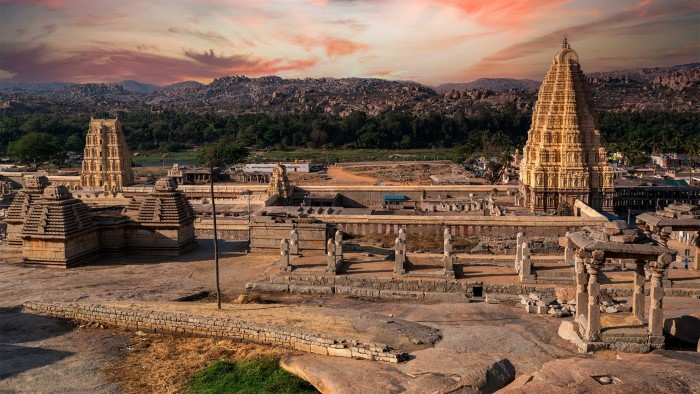
Located in Hampi, Karnataka, the Virupaksha Temple is dedicated to Lord Shiva. The temple complex is part of the UNESCO World Heritage Site in Hampi, known for its ruins and ancient monuments. The temple, with its towering architecture, is an essential part of Hampi’s vibrant history and serves as a testament to the ancient Indian kingdom of Vijayanagar.
Why Visit:
- Part of the UNESCO World Heritage Site.
- Rich historical and cultural significance.
- Grand and intricate temple architecture.
Ramanathaswamy Temple, Rameswaram
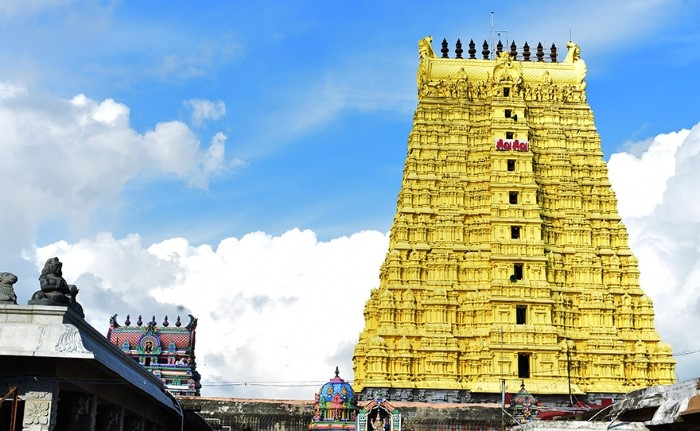
The Ramanathaswamy Temple, located in Rameswaram, Tamil Nadu, is dedicated to Lord Shiva. It is one of the twelve Jyotirlingas and is famously associated with the Hindu epic Ramayana. The temple features the longest corridor in the world and is a must-visit for those undertaking the Char Dham Yatra.
Why Visit:
- Associated with the Ramayana.
- One of the twelve Jyotirlingas.
- Remarkable temple architecture.
FAQs About the Top Temples in India
Which is the richest temple in India?
The Sri Venkateswara Temple in Tirumala is the richest temple in India due to the high volume of offerings made by pilgrims.
Where is the oldest temple in India?
The Kashi Vishwanath Temple in Varanasi is considered one of the oldest temples, with roots tracing back thousands of years.
Which temple is dedicated to Goddess Meenakshi?
The Meenakshi Amman Temple in Madurai is dedicated to Goddess Meenakshi, an incarnation of Parvati.
Which temple hosts the famous Rath Yatra festival?
The Jagannath Temple in Puri is renowned for hosting the grand Rath Yatra festival every year.
Which is the tallest temple tower in India?
The Meenakshi Temple in Madurai has one of the tallest and most elaborately carved temple towers in India.
India’s temples are much more than mere places of worship. They are cultural landmarks, architectural marvels, and sources of deep spiritual insight. Visiting these temples offers a unique blend of history, devotion, and beauty, making them not just religious destinations but also windows into the soul of India. From the Venkateswara Temple in Tirumala to the Ramanathaswamy Temple in Rameswaram, these temples showcase the divine architecture and sacred significance that continue to inspire millions of visitors each year.