

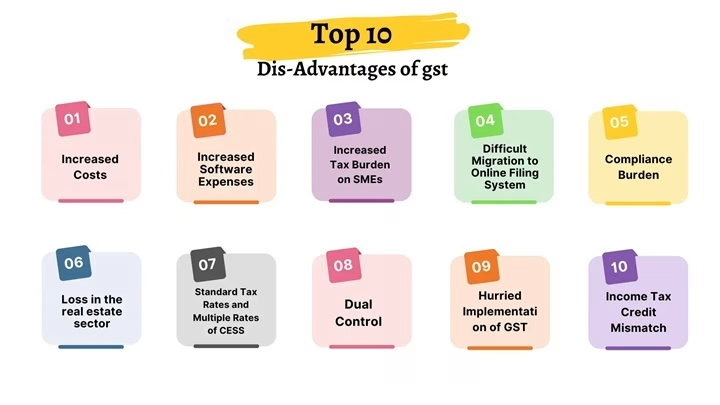
The Goods and Services Tax (GST) was introduced in India on July 1, 2017, as a major tax reform aimed at simplifying the indirect tax structure. It replaced multiple taxes such as excise duty, service tax, VAT, and others, bringing them under a unified system. While GST was implemented to make tax collection more transparent and efficient, it has also brought several challenges for businesses, small traders, and consumers.
Despite its benefits, GST has faced criticism for its complexity, compliance burden, and financial impact on different sectors of the economy. Many small businesses struggle with tax filings, while certain goods and services have become more expensive. This article explores the top ten disadvantages of GST, analyzing its impact on various stakeholders.
High Compliance Burden for Small Businesses
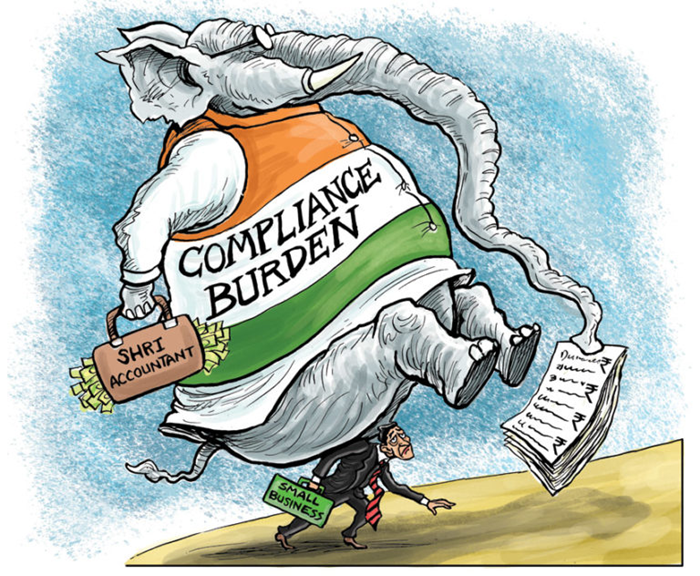
One of the biggest challenges of GST is the increased compliance burden for small and medium enterprises. Before GST, small businesses and traders had simpler tax structures, but under the new system, they are required to follow detailed filing procedures.
Challenges Faced:
- Monthly, quarterly, and annual GST return filings increase paperwork.
- Businesses must use online systems for tax submissions, creating difficulties for those with limited digital access.
- Additional costs for hiring accountants or tax professionals to ensure compliance.
- Risk of penalties for incorrect tax filings or late submissions.
For small businesses with limited financial and technical resources, maintaining compliance with GST regulations can be a major challenge.
Complex Tax Structure

One of the main objectives of GST was to simplify the tax system, but in reality, the structure remains complex due to multiple tax slabs and frequent amendments.
Challenges Faced:
- GST has five different tax slabs – 0%, 5%, 12%, 18%, and 28%.
- Different tax rates for different goods and services create confusion.
- Continuous changes and modifications make it difficult for businesses to keep up.
Many businesses and traders face difficulty in classifying their products under the correct tax slab, leading to unintentional errors in tax filings.
Increased Cost of Goods and Services
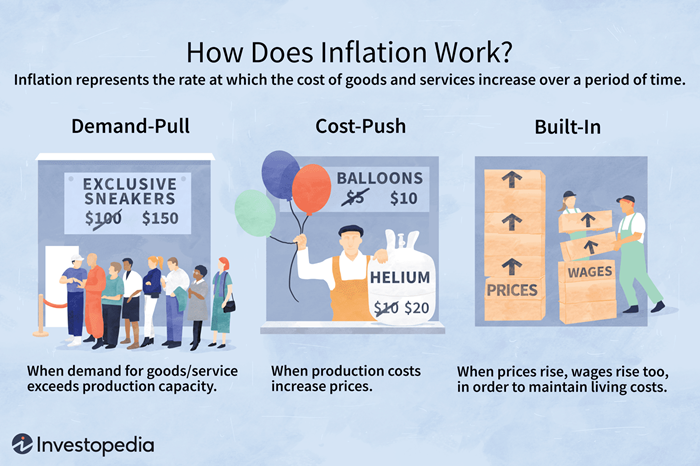
Although GST was expected to reduce the overall tax burden, it has led to price hikes for certain products and services. The high tax rates on various goods have increased the cost of living for many people.
Challenges Faced:
- Products under the 28% GST slab, such as automobiles and luxury goods, have become more expensive.
- Service-based industries like restaurants, insurance, and mobile bills have witnessed increased costs.
- Businesses pass on the additional tax burden to consumers, making essential goods more expensive.
While some industries have benefited from lower tax rates, others have seen increased financial pressure, affecting demand and sales.
Negative Impact on Small Traders and the Unorganized Sector
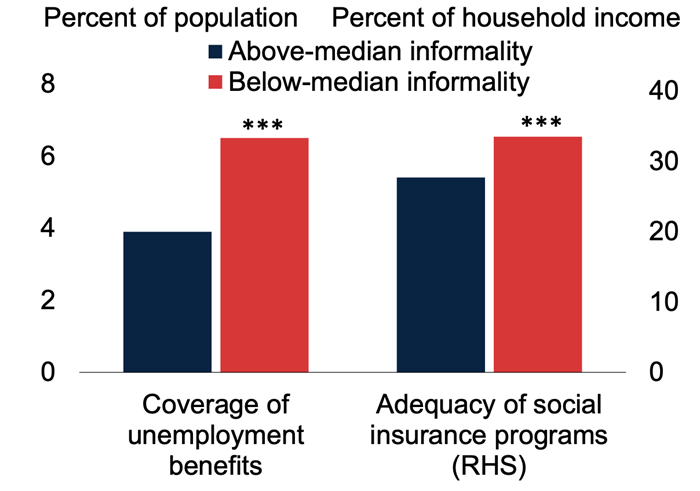
Before GST, small traders and businesses operated under local tax laws with fewer compliance requirements. However, after GST, many small businesses have struggled to maintain operations due to the increased burden of tax registration and filings.
Challenges Faced:
- Many small businesses that previously operated without tax registration are now forced to register under GST.
- The reverse charge mechanism creates additional tax liabilities for businesses dealing with unregistered suppliers.
- Many unregistered businesses find it difficult to compete with larger, GST-compliant firms.
Due to the complexities of GST, some small traders have had to shut down their operations or move to informal, unregistered transactions, affecting employment and economic activity.
Technical Challenges in the GST Portal
GST implementation relies on an online portal for tax filing, return submissions, and refunds. However, technical issues with the GST Network (GSTN) have created difficulties for taxpayers.
Challenges Faced:
- Frequent technical glitches and server downtime disrupt tax return filings.
- Small businesses without proper digital access struggle to complete online registrations.
- Errors in the system lead to delays in processing input tax credit, affecting cash flow.
Businesses face delays in getting refunds and input tax credits due to portal inefficiencies, leading to frustration and financial stress.
Blocking of Working Capital for Businesses
GST requires businesses to pay tax on purchases upfront and later claim an input tax credit. This affects their cash flow and working capital, especially for exporters and manufacturing firms.
Challenges Faced:
- Businesses need to pay GST at the time of purchase, impacting liquidity.
- Delay in refunds creates financial pressure, especially for small businesses.
- Exporters face additional challenges due to input tax credit adjustments.
Since businesses must first pay taxes and then wait for input credit refunds, many firms struggle with maintaining steady cash flow, leading to financial difficulties.
Frequent Policy Changes and Uncertainty
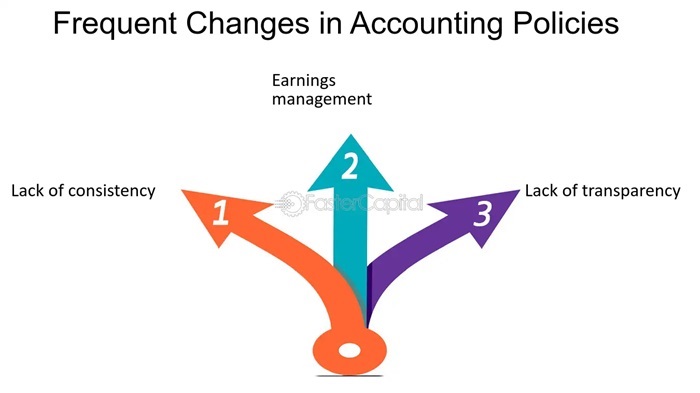
GST rules and tax rates are frequently modified, making it difficult for businesses to plan their finances efficiently. Policy uncertainty leads to confusion and additional compliance burdens.
Challenges Faced:
- Regular revisions in GST rates create instability in pricing and profit margins.
- Businesses must invest in training and updating their systems to stay compliant.
- New policy updates often require businesses to modify their accounting and invoicing procedures.
Frequent amendments in GST laws have led to uncertainty, with many businesses struggling to stay updated on the latest requirements.
Burden of Reverse Charge Mechanism
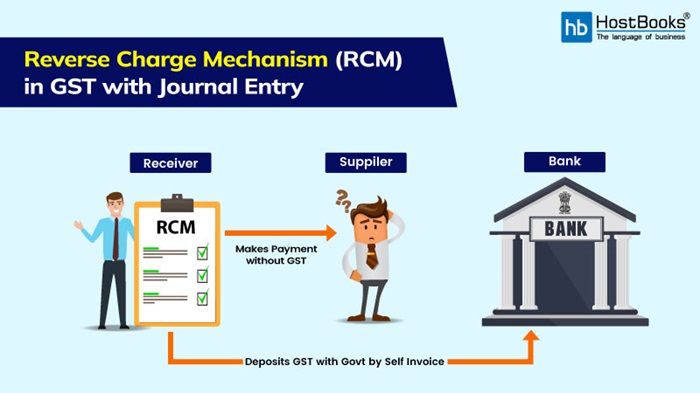
Under the reverse charge mechanism, businesses are required to pay GST on purchases made from unregistered suppliers, creating additional tax liabilities.
Challenges Faced:
- Small suppliers lose business as registered firms avoid dealing with them to escape tax burdens.
- Increased paperwork and compliance requirements for businesses dealing with unregistered vendors.
- Tax burden shifts to buyers, leading to additional financial strain.
This system has made it difficult for small businesses to compete in the market, as larger firms hesitate to engage with unregistered suppliers.
High Tax on Certain Essential Items

Although GST was designed to reduce indirect taxes, some essential goods and services still attract high tax rates, making them more expensive for consumers.
Challenges Faced:
- High GST on daily-use items like insurance, healthcare, and education.
- 28% tax on luxury goods and automobiles increases costs for middle-class buyers.
- GST exemptions for certain sectors lead to an uneven tax burden.
For lower and middle-income consumers, high tax rates on necessary services make essential goods and services less affordable.
Limited Benefits for the Agricultural Sector
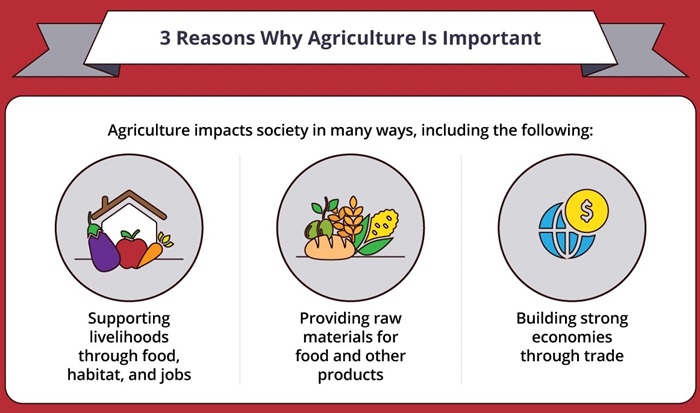
While basic agricultural goods are exempt from GST, the sector still faces indirect challenges due to taxes on fertilizers, equipment, and logistics.
Challenges Faced:
- 12% GST on fertilizers increases costs for farmers.
- 18% GST on tractors and agricultural machinery affects affordability.
- Higher logistics costs due to GST on transportation services.
The agricultural sector, which plays a crucial role in India’s economy, has not received significant benefits under the GST system. Farmers continue to face rising input costs, affecting their overall profitability.
Frequently Asked Questions (FAQs)
1. What are the major disadvantages of GST?
The major disadvantages include a high compliance burden, increased cost of goods, technical issues with the GST portal, and cash flow problems for businesses.
2. Why is GST challenging for small businesses?
Small businesses struggle with frequent tax filings, high compliance costs, and cash flow issues due to input tax credit delays.
3. Has GST increased the cost of living?
Yes, GST has made several essential goods and services, such as insurance, healthcare, and mobile bills, more expensive.
4. Why do businesses face difficulties with GST?
Frequent policy changes, technical glitches, and compliance burdens create difficulties for businesses in managing GST filings and tax planning.
5. How does GST impact common consumers?
Consumers face higher prices on goods and services due to increased tax rates and businesses passing on the tax burden to buyers.
While GST was introduced to simplify the tax system, it has brought several challenges, especially for small businesses and consumers. The complexity of compliance, technical difficulties, and cash flow issues remain significant concerns. Despite its long-term benefits, the government needs to address these challenges to make GST more efficient and business-friendly.