


India, a land of diverse cultures, languages, and traditions, boasts some of the most vibrant and bustling cities in the world. Each city offers a unique blend of history, modernity, and a rich tapestry of experiences that captivate the hearts of both locals and tourists alike. Here, we explore the top 10 cities in India, delving into their historical significance, cultural heritage, and contemporary charm.
Mumbai: The City of Dreams
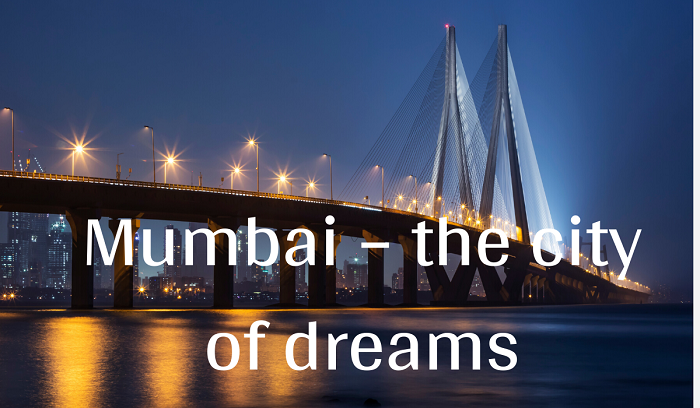
Mumbai, the capital city of Maharashtra, is often referred to as the financial capital of India. Known for its fast-paced lifestyle, iconic landmarks, and Bollywood, Mumbai is a city that never sleeps.
Historical Significance
Mumbai’s history dates back to the time of the ancient Maurya Empire, but it gained prominence in the 16th century when the Portuguese and later the British established it as a major trading port. The city’s colonial past is evident in its architecture, with landmarks like the Gateway of India and Chhatrapati Shivaji Maharaj Terminus (formerly Victoria Terminus).
Cultural Heritage
Mumbai is a melting pot of cultures, with a diverse population that celebrates a variety of festivals with fervor. The city’s vibrant arts scene includes the renowned Kala Ghoda Arts Festival, numerous theaters, and art galleries.
Contemporary Charm
Mumbai is home to India’s thriving film industry, Bollywood. The city’s nightlife, shopping districts like Colaba Causeway and Linking Road, and the bustling Marine Drive make it a hub of activity and excitement.
Delhi: The Heart of India
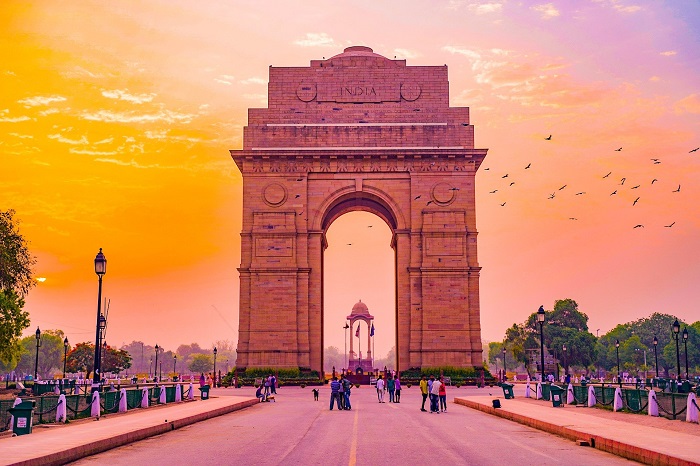
Delhi, the capital city of India, is a city of contrasts, where ancient monuments coexist with modern skyscrapers. It serves as the political and cultural heart of the country.
Historical Significance
Delhi’s history is a rich tapestry woven with the threads of various dynasties, including the Mughals and the British. The city’s historical landmarks, such as the Red Fort, Qutub Minar, and Humayun’s Tomb, are UNESCO World Heritage Sites that narrate its glorious past.
Cultural Heritage
Delhi’s cultural diversity is reflected in its festivals, food, and traditions. The city’s vibrant bazaars, like Chandni Chowk, offer a sensory overload of sights, sounds, and flavors.
Contemporary Charm
Modern Delhi is a bustling metropolis with world-class infrastructure, luxury hotels, and shopping malls. The city’s political significance is highlighted by landmarks like the Rashtrapati Bhavan, Parliament House, and India Gate.
Bangalore: The Silicon Valley of India
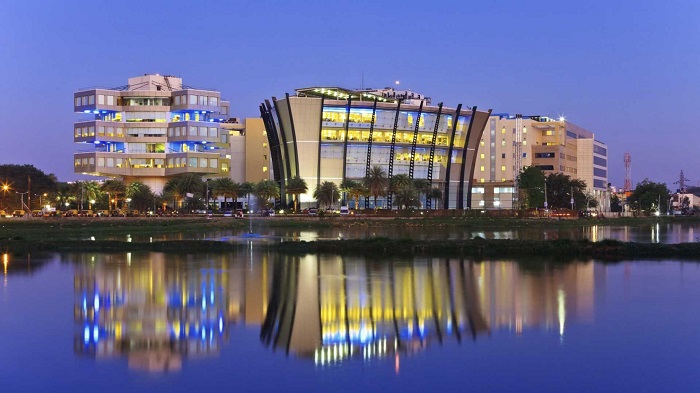
Bangalore, officially known as Bengaluru, is the capital of Karnataka and the IT hub of India. It is renowned for its pleasant climate, green spaces, and vibrant tech industry.
Historical Significance
Bangalore’s history can be traced back to the 16th century when it was founded by Kempegowda. The city has evolved from a quiet settlement into a major center for education, science, and technology.
Cultural Heritage
Bangalore’s cosmopolitan culture is reflected in its diverse population and thriving arts scene. The city hosts various cultural festivals, music concerts, and theater performances throughout the year.
Contemporary Charm
Known as the “Silicon Valley of India,” Bangalore is home to numerous IT companies and startups. The city’s modern amenities, lively pub culture, and upscale shopping districts make it a favorite among young professionals and tech enthusiasts.
Chennai: The Gateway to South India
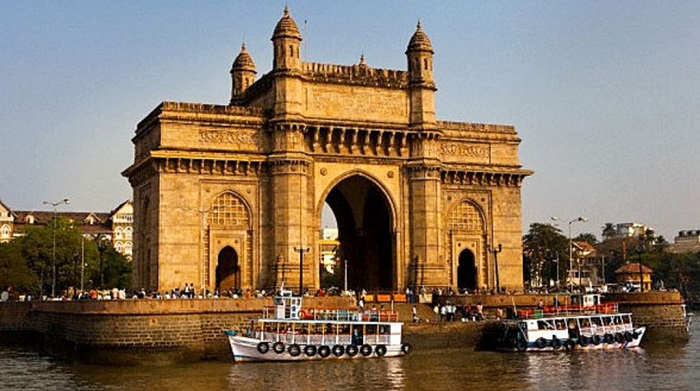
Chennai, the capital of Tamil Nadu, is a bustling metropolis known for its rich cultural heritage, classical music, and beautiful beaches.
Historical Significance
Chennai’s history dates back over 2,000 years, with a rich legacy of the Chola and Pallava dynasties. The city’s colonial past is evident in its architecture, with landmarks like Fort St. George and St. Thomas Mount.
Cultural Heritage
Chennai is the cultural capital of South India, famous for its classical music and dance forms like Bharatanatyam. The city hosts the annual Chennai Music Season, a grand celebration of Carnatic music.
Contemporary Charm
Modern Chennai is a thriving industrial and commercial hub. The city’s Marina Beach, vibrant shopping districts like T. Nagar, and a burgeoning IT industry add to its contemporary appeal.
Hyderabad: The City of Pearls
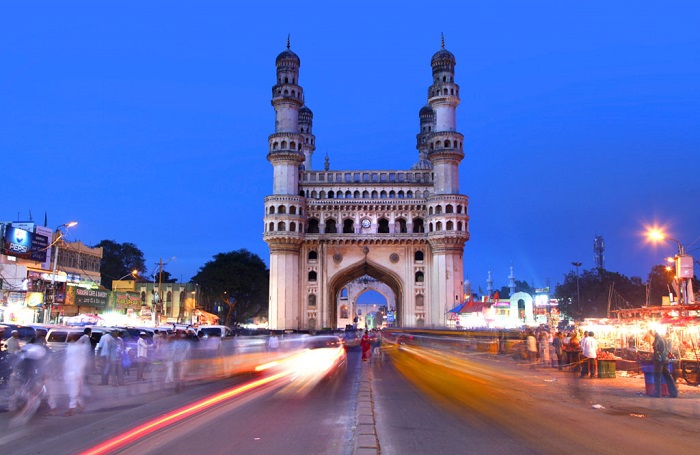
Hyderabad, the capital of Telangana, is known for its rich history, delectable cuisine, and booming IT sector. The city seamlessly blends its regal past with its modern aspirations.
Historical Significance
Hyderabad was founded by Muhammad Quli Qutb Shah in 1591. The city’s historical landmarks, such as the Charminar, Golconda Fort, and Chowmahalla Palace, reflect its glorious past.
Cultural Heritage
Hyderabad’s culture is a fusion of Hindu and Muslim traditions. The city’s cuisine, particularly its famous biryani, is a testament to this blend. The annual Deccan Festival celebrates Hyderabad’s arts, crafts, and culinary delights.
Contemporary Charm
Hyderabad’s Hi-Tech City is a major IT and business hub. The city’s modern infrastructure, upscale shopping malls, and international schools attract professionals and expatriates from around the world.
Kolkata: The City of Joy
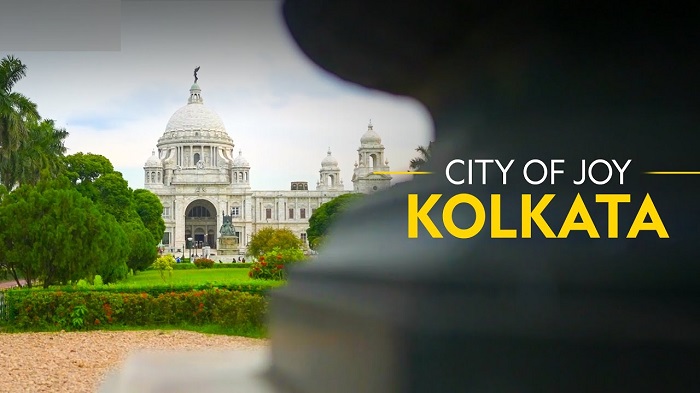
Kolkata, the capital of West Bengal, is a city steeped in culture, literature, and history. Known as the “City of Joy,” Kolkata is renowned for its intellectual and artistic heritage.
Historical Significance
Kolkata’s history as a colonial city began with the establishment of the East India Company’s trading post in 1690. The city’s historical landmarks include the Victoria Memorial, Howrah Bridge, and the Indian Museum.
Cultural Heritage
Kolkata is a cultural hub, known for its contributions to literature, art, and theater. The city hosts the annual Kolkata International Film Festival and the Durga Puja festival, a grand celebration that attracts visitors from all over the world.
Contemporary Charm
Modern Kolkata is a bustling metropolis with a growing IT sector. The city’s vibrant markets, like New Market and Gariahat, and its delectable street food add to its contemporary allure.
Pune: The Oxford of the East
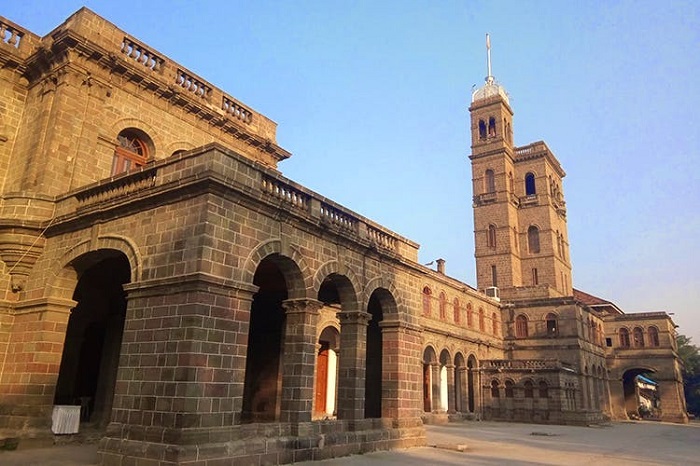
Pune, known as the “Oxford of the East,” is a city in Maharashtra renowned for its educational institutions, pleasant climate, and thriving cultural scene.
Historical Significance
Pune’s history is closely linked with the Maratha Empire, particularly under the reign of Chhatrapati Shivaji Maharaj. The city’s historical landmarks, such as Shaniwar Wada and Aga Khan Palace, reflect its rich past.
Cultural Heritage
Pune is a cultural and educational hub, home to numerous prestigious institutions and cultural festivals. The city’s vibrant arts scene includes theater, music, and dance performances.
Contemporary Charm
Modern Pune is a thriving IT and industrial center. The city’s modern amenities, vibrant nightlife, and scenic spots like Lavasa and Lonavala make it a popular destination for young professionals and students.
Ahmedabad: The Manchester of India
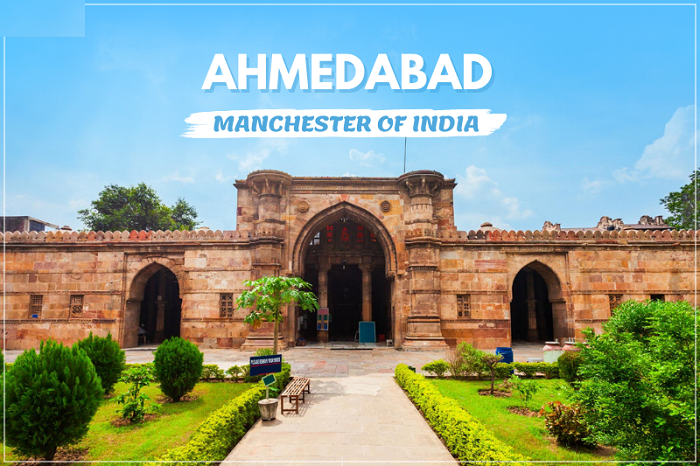
Ahmedabad, the largest city in Gujarat, is a major industrial and economic hub. Known as the “Manchester of India,” the city is famous for its textile industry and rich cultural heritage.
Historical Significance
Ahmedabad’s history dates back to the 11th century, but it gained prominence under the rule of Sultan Ahmed Shah in the 15th century. The city’s historical landmarks include the Sabarmati Ashram, Sidi Saiyyed Mosque, and Adalaj Stepwell.
Cultural Heritage
Ahmedabad is a city of festivals, with vibrant celebrations of Navratri, Uttarayan, and Diwali. The city’s rich culinary traditions, particularly its street food, are a delight for food lovers.
Contemporary Charm
Modern Ahmedabad is a major industrial and commercial center. The city’s well-planned infrastructure, educational institutions, and business opportunities make it a preferred destination for professionals and entrepreneurs.
Jaipur: The Pink City
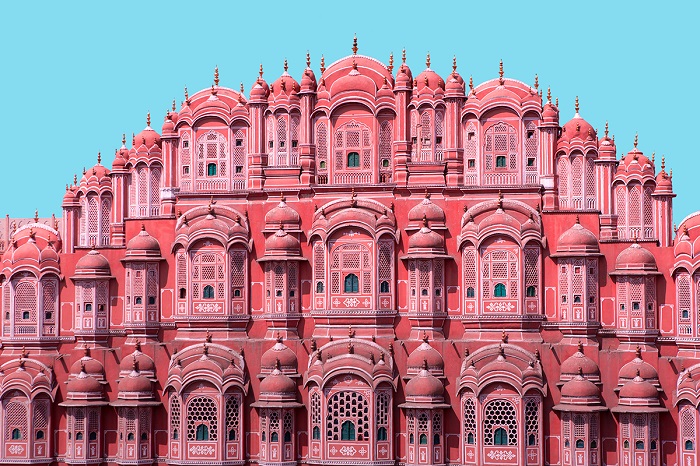
Jaipur, the capital of Rajasthan, is known for its royal heritage, magnificent palaces, and vibrant culture. The city’s pink-hued buildings give it the nickname “Pink City.”
Historical Significance
Jaipur was founded by Maharaja Sawai Jai Singh II in 1727. The city’s historical landmarks, such as the Hawa Mahal, City Palace, and Amer Fort, showcase its royal past.
Cultural Heritage
Jaipur’s culture is a reflection of Rajasthan’s rich traditions. The city’s festivals, like the Jaipur Literature Festival and the Teej Festival, celebrate its arts, crafts, and cuisine.
Contemporary Charm
Modern Jaipur is a growing business and tourism hub. The city’s luxury hotels, shopping districts, and modern amenities attract tourists and professionals from around the world.
Chandigarh: The City Beautiful
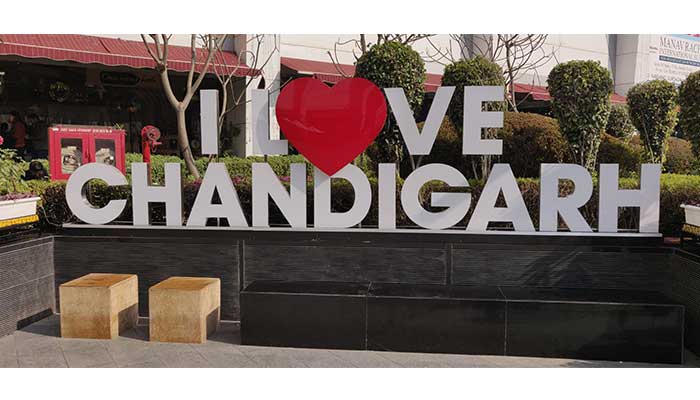
Chandigarh, the capital of both Punjab and Haryana, is known for its modern architecture and urban planning. Designed by the renowned architect Le Corbusier, Chandigarh is often referred to as “The City Beautiful.”
Historical Significance
Chandigarh was conceived as a new capital for Punjab after the partition of India in 1947. The city’s design and planning are considered a masterpiece of modern architecture.
Cultural Heritage
Chandigarh’s cultural scene is vibrant, with numerous art galleries, theaters, and cultural festivals. The city’s Rock Garden, Sukhna Lake, and Rose Garden are popular attractions.
Contemporary Charm
Modern Chandigarh is a well-planned city with excellent infrastructure, educational institutions, and healthcare facilities. The city’s clean environment, green spaces, and modern amenities make it a preferred destination for families and professionals.
Related Post:
Top 10 Cigarette Brands in India
Top 10 Countries with the Hottest Girls
Top 10 Allama Iqbal Famous Poetry in Urdu
India’s top cities are a testament to the country’s rich history, diverse cultures, and rapid modernization. From the bustling streets of Mumbai to the serene beauty of Chandigarh, each city offers a unique experience that reflects the spirit of India. Whether you’re a history enthusiast, a cultural aficionado, or a modern urbanite, these cities promise a journey full of discovery and delight.